
Starting your own garden can feel overwhelming, especially if you’re new to it. You might wonder where to begin, what to plant, or how to keep your plants healthy.
But here’s the good news: with the right tips, gardening can be simple, enjoyable, and rewarding. This guide is made just for you—offering easy, practical advice to help your garden grow strong from day one. Keep reading, and you’ll discover how to avoid common mistakes, choose the best plants for your space, and create a green oasis you’ll be proud of.
Your perfect garden is closer than you think!
Choosing The Right Location
Choosing the right location is the first step in successful gardening. A good spot can help plants grow strong and healthy. It saves effort and increases the chances of a good harvest. Take time to find a place that fits your plants’ needs.
Sunlight Requirements
Most plants need at least six hours of sunlight daily. Some thrive in full sun, while others prefer partial shade. Observe your yard to find sunny and shady spots. South-facing areas usually get the most light. Choose a location that matches the sunlight needs of your plants.
Soil Quality And Drainage
Good soil helps plants get nutrients and water. Check if the soil is loose and crumbly, not hard or sandy. Test drainage by digging a small hole and filling it with water. If water drains within a few hours, the soil drains well. Poor drainage can cause roots to rot. Amend soil with compost to improve quality.
Access To Water
Plants need regular watering, especially in hot weather. Pick a location near a water source like a tap or hose. This makes watering easier and saves time. Avoid spots that flood or stay too wet. Proper watering helps plants stay healthy and grow fast.
:strip_icc()/stone-walkway-leading-garden-ccab4820-64cc37892feb45a58001bc53f6ba7aeb.jpg)
Credit: www.bhg.com
Starting Small And Simple
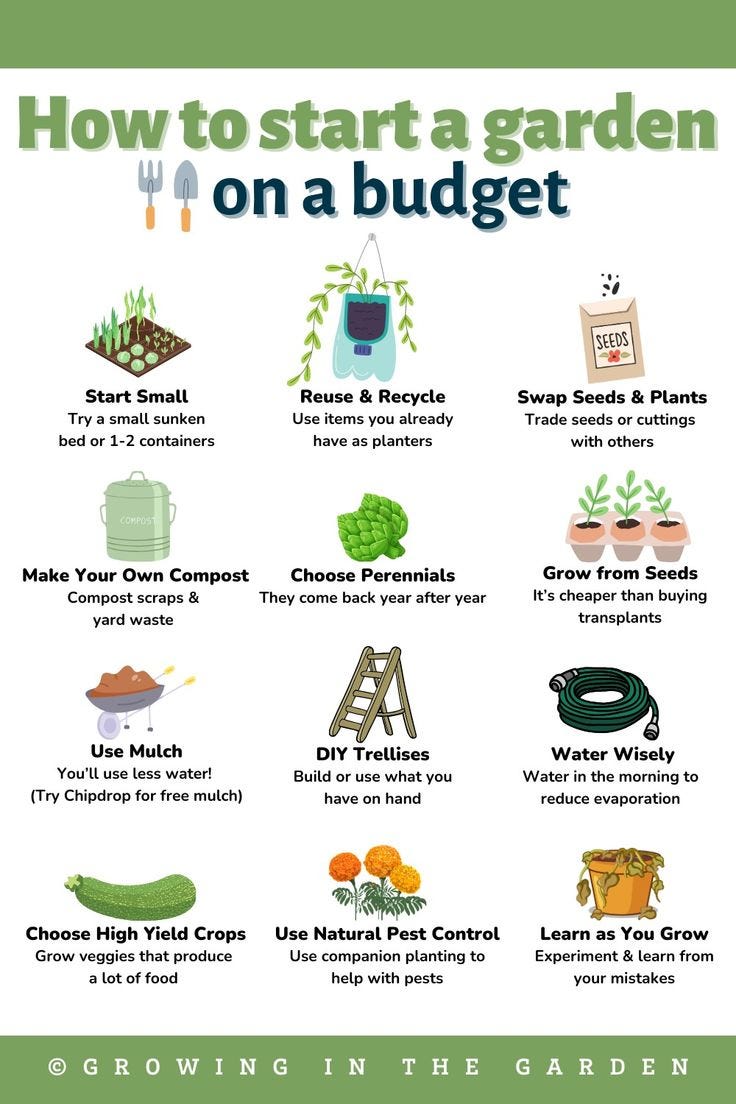
Starting a garden can feel overwhelming. The secret is to begin small and simple. This approach helps beginners avoid frustration and enjoy early success. Small steps build confidence and knowledge.
Focus on manageable projects that fit your space and time. Simple gardens require less maintenance and give quick rewards. This way, you learn what your plants need without stress.
Selecting Easy Plants
Choose plants that are forgiving and grow quickly. Herbs like basil and mint are perfect for beginners. Leafy greens such as lettuce and spinach also thrive with little effort. Radishes and beans grow fast and show clear progress. Starting with these plants helps you learn gardening basics.
Using Raised Beds Or Containers
Raised beds and containers simplify soil control and drainage. They keep weeds down and make watering easier. Containers fit small spaces like balconies or patios. Raised beds allow you to add nutrient-rich soil. Both options reduce physical strain and make gardening more fun.
Growing What You Eat
Plant vegetables and herbs your family likes to eat. This keeps motivation high and reduces waste. Fresh home-grown food tastes better and costs less. Growing familiar crops also helps you understand their needs. You will enjoy harvesting and cooking with your own produce.
Soil Preparation And Composting
Good soil is the foundation of any healthy garden. Preparing soil properly helps plants grow strong roots and absorb nutrients better. Composting adds natural nutrients and improves soil quality over time. This section explains easy ways to prepare soil and use compost for beginners.
Adding Aged Compost
Aged compost is decomposed organic matter. It enriches soil with nutrients plants need. Spread a 2-3 inch layer of aged compost over your garden bed. Mix it gently into the top 6 inches of soil. Compost improves fertility and water retention. It also supports beneficial soil microbes that help plants stay healthy.
Improving Soil Structure
Good soil has a crumbly texture that holds moisture but drains well. Adding organic matter like compost or shredded leaves loosens heavy clay soil. It also helps sandy soil hold water. Turn the soil with a garden fork or spade to break clumps. Avoid compacting soil by stepping on garden beds. Healthy soil structure promotes root growth and air flow.
Testing Soil Ph
Soil pH affects nutrient availability for plants. Most vegetables grow best in slightly acidic to neutral soil (pH 6 to 7). Use a simple soil pH test kit from garden centers. Follow instructions to check your soil’s acidity. If soil is too acidic, add lime to raise pH. If too alkaline, add sulfur to lower pH. Testing ensures plants get the right nutrients.
Planting Basics
Starting a garden begins with understanding planting basics. Knowing how to plant seeds or transplants correctly sets the foundation for healthy growth. Proper timing and spacing help plants thrive in your garden space. These simple steps make gardening easier and more rewarding.
Seeds Vs. Transplants
Seeds are the most natural way to start plants. They are less expensive but need more care and time. Transplants are young plants grown in nurseries. They give a quicker start and reduce risks from pests or weather. Choose seeds for root vegetables or herbs. Use transplants for tomatoes, peppers, and larger plants.
Timing Your Planting
Plant at the right time for your climate. Early planting may cause frost damage. Late planting shortens the growing season. Check the last frost date for your area. Plant seeds or transplants after this date. Warm-season crops like beans need warm soil. Cool-season crops like lettuce grow well in cooler weather.
Spacing And Depth
Give plants enough space to grow. Crowded plants compete for sunlight and nutrients. Follow seed packet or transplant tag instructions. Plant seeds at the recommended depth. Too shallow planting causes drying out. Too deep slows germination. Proper spacing improves air flow and reduces disease.
Watering Techniques
Watering is one of the most important tasks in gardening. It helps plants grow strong and healthy. Knowing how to water properly can save your plants from damage. Using the right watering techniques keeps your garden thriving and reduces water waste. Here are some key tips to guide beginners in watering their plants effectively.
Avoiding Overwatering
Too much water can harm plants. It causes roots to rot and blocks air from reaching them. Check soil moisture before watering. The soil should feel dry a few inches below the surface. Water only when needed. This prevents waterlogging and keeps plants healthy.
Consistent Moisture
Plants need steady moisture to grow well. Water regularly but do not soak the soil every time. Consistent moisture helps roots absorb nutrients better. Use a schedule based on the plant type and weather. This keeps the soil balanced and supports plant health.
Watering At The Base
Water directly at the plant base. Avoid wetting leaves and stems. This reduces the risk of fungal diseases. Use a watering can or drip irrigation for accuracy. Watering at the base ensures water reaches the roots where it is needed most.
Credit: medium.com
Weed Control And Mulching
Weed control and mulching are key tasks for a healthy garden. They keep your plants safe from unwanted weeds and help soil stay healthy. These practices save time and effort by reducing the need for constant weeding.
Mulching also protects the soil from drying out. It creates a barrier that keeps moisture in and temperature steady. Your plants will grow better with less stress.
Using Mulch Materials
Mulch comes in many forms. Organic options include straw, wood chips, grass clippings, and shredded leaves. These break down over time, adding nutrients to the soil.
Inorganic mulches like black plastic or landscape fabric block weeds effectively. Choose mulch based on your garden’s needs and the plants you grow.
Suppressing Weeds
Mulch stops light from reaching weed seeds, preventing them from sprouting. A thick layer around plants reduces weed growth significantly. Pull out any weeds that do appear quickly before they spread.
Regular mulching means fewer weeds and less work. It keeps your garden tidy and lets your plants get all the water and nutrients they need.
Retaining Soil Moisture
Mulch holds water in the soil by slowing evaporation. This keeps roots moist for longer periods. Less frequent watering is needed, saving water and your time.
Soil with mulch stays cooler in hot weather and warmer in cold weather. This helps plants stay comfortable and grow steadily throughout the seasons.
Essential Gardening Tools
Having the right tools makes gardening easier and more enjoyable. Essential gardening tools help you prepare soil, plant seeds, and maintain your garden. Beginners should focus on a few key tools to start strong. Quality and care of tools affect how well they work and last.
Basic Tool Kit
Start with a small set of tools that cover most tasks. A hand trowel helps you dig small holes and plant seeds. A garden fork loosens soil and removes weeds. Pruning shears trim dead or overgrown branches. A watering can or hose helps you water plants gently. Gloves protect your hands from dirt and thorns. These tools form the core of your gardening kit.
Tool Maintenance
Keep your tools clean to stop rust and damage. After use, remove dirt with a brush or cloth. Dry tools before storing to prevent rust. Sharpen blades of pruners and shears regularly for clean cuts. Oil metal parts lightly to keep them working smoothly. Proper maintenance extends tool life and improves performance.
Choosing Quality Tools
Pick tools made from durable materials like stainless steel or heavy-duty plastic. Comfortable handles reduce hand strain during long work sessions. Avoid very cheap tools that break easily. Read reviews and ask experienced gardeners for recommendations. Investing in quality tools saves money over time and makes gardening tasks easier.
Daily Garden Care
Daily garden care keeps plants healthy and thriving. Small, regular actions prevent big problems. Spending a few minutes each day helps you notice changes early. This habit supports strong growth and a beautiful garden.
Monitoring Plant Health
Check leaves, stems, and flowers every day. Look for changes in color or texture. Wilting leaves may signal water issues. Yellow spots might mean nutrient deficiency. Early detection helps fix problems fast. Healthy plants grow better and resist stress.
Spotting Pests And Diseases
Inspect plants closely for bugs or damage. Common pests include aphids, caterpillars, and beetles. Look under leaves and near stems. Holes, sticky residue, or webbing show pest activity. Disease signs include spots, mold, or wilting. Catching pests and diseases early stops spread.
Regular Maintenance Tasks
Remove dead leaves and faded flowers daily. This keeps plants tidy and encourages new growth. Water plants based on soil moisture, not a fixed schedule. Pull weeds to reduce competition for nutrients. Lightly mulch to keep soil moist and cool. These simple tasks improve garden health and beauty.
Expanding Your Garden
Expanding your garden is an exciting step for every beginner. It allows you to explore new plants and improve your gardening skills. A larger garden can produce more flowers, vegetables, and herbs. It also creates a more beautiful and diverse outdoor space. Careful planning and simple additions help your garden grow stronger and healthier.
Adding New Plants
Choose plants that fit your climate and soil. Start with easy-to-grow varieties like herbs and leafy greens. Space new plants properly to avoid crowding. Use quality soil and water regularly. Observe how new plants respond to sunlight and adjust their location if needed. This keeps your garden balanced and productive.
Incorporating Compost Bins
Compost bins turn kitchen scraps and garden waste into rich soil. Place bins in a sunny spot with good airflow. Add a mix of green and brown materials, such as vegetable peels and dry leaves. Turn the compost often to speed decomposition. Use finished compost to nourish your plants naturally. This reduces waste and improves soil health.
Planning For Next Season
Think ahead about what plants to grow next. Note which plants did well and which struggled. Rotate crops to prevent soil depletion and pests. Prepare garden beds by adding compost and nutrients. Check local planting dates and weather patterns. Good planning ensures a fresh, thriving garden every season.
Credit: www.learntogrowgardens.com
Conclusion
Gardening starts with simple steps anyone can follow. Choose easy plants and prepare good soil first. Water plants carefully, neither too much nor too little. Check your garden every day to catch problems early. Use basic tools to make tasks easier.
Keep weeds away and add mulch to save moisture. Enjoy watching your garden grow bit by bit. Patience and care bring healthy, happy plants. Gardening can be fun and rewarding for everyone. Start small, learn, and your garden will thrive.
No responses yet