
Have you ever felt frustrated when a plant didn’t grow the way you expected? Maybe you planted something in the wrong spot or watered too much.
What if you could see every gardening challenge not as a mistake, but as an exciting experiment? When you think this way, every step you take in your garden becomes a chance to learn and discover what works best for your space.
This mindset frees you from fear and opens the door to creativity and growth. Ready to explore why there are truly no gardening mistakes, only experiments, and how this idea can transform your gardening experience? Keep reading to unlock the secrets of turning every garden moment into a success.
Related Article: Gardening Trends 2026: Top Innovations to Transform Your Garden
Related Article: Common Gardening Mistakes: Avoid These Costly Pitfalls Today
Gardening Mindset Shift
Changing how you think about gardening changes everything. Many gardeners fear making mistakes. This fear blocks creativity and learning. Instead, view gardening as a set of experiments. Each attempt teaches you something new. This mindset shift frees you from stress and encourages exploration.
By seeing gardening as experimentation, you accept that not all results will be perfect. Some plants may not grow well. Others may bloom unexpectedly or in unusual ways. These outcomes add valuable information to your garden’s story. You learn what works best for your space and climate.
Understanding Growth Through Trial And Error
Every gardener learns by trying different methods. Some seeds sprout quickly; others need more care. Experimentation helps you discover which plants thrive in your garden. It also shows how soil, sunlight, and water affect growth. Mistakes are simply steps toward better gardening skills.
Embracing Flexibility And Patience
Gardening experiments require patience. Plants grow at their own pace. Not all plans go as expected. Being flexible lets you adjust and improve. You try new techniques or move plants to better spots. This approach reduces frustration and builds confidence.
Celebrating Small Wins And Lessons
Every experiment has value. A seed that grows tall, a flower that blooms late, a vegetable that tastes great—these are wins. Even failures teach lessons about timing and care. Celebrate these moments. They make gardening rewarding and fun.
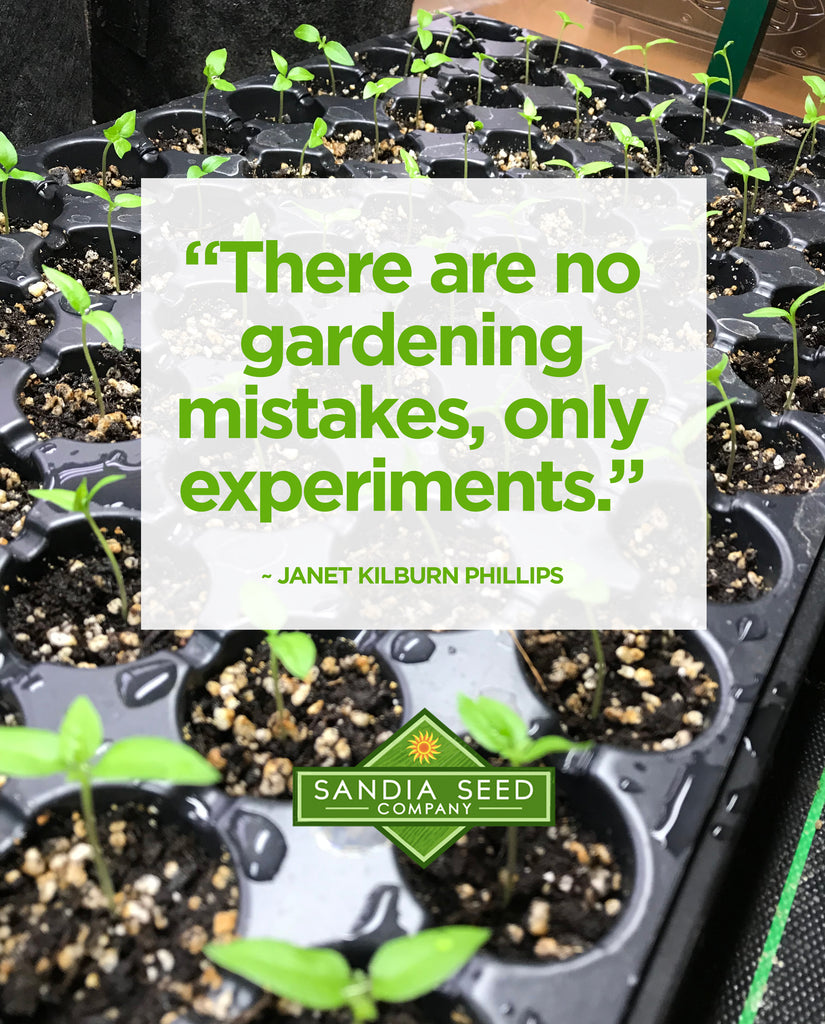
Credit: www.sandiaseed.com
Why Experiments Matter
Experiments play a key role in gardening. They help gardeners learn and grow. Each attempt offers new knowledge, even if the result is not perfect. Viewing gardening as experiments removes fear of failure. It invites creativity and curiosity in the garden.
Trying different plants, techniques, or layouts can reveal what works best. It also helps adapt to changing conditions like weather or soil. Experiments keep the gardening process exciting and fresh. They encourage patience and observation, essential skills for any gardener.
Understanding Your Garden Better
Experiments help you understand your garden’s unique needs. No two gardens are exactly alike. Soil, sunlight, and moisture levels vary. Testing different plants or methods shows what thrives in your space. This knowledge leads to healthier plants and better yields.
Building Confidence In Gardening
Experiments build confidence by showing progress over time. Each trial teaches something useful, even if it seems like a failure. Confidence grows as you see what succeeds and what doesn’t. This makes gardening less stressful and more enjoyable.
Encouraging Creativity And Innovation
Gardening experiments encourage creativity and new ideas. Trying new plant combinations or garden designs can be fun. Innovation can lead to discovering unique solutions to common problems. This keeps gardening interesting and personal.
Learning From Nature’s Patterns
Experiments reveal patterns in nature and plant behavior. Watching how plants respond to care helps you adapt techniques. It also teaches respect for natural cycles and timing. Learning from these patterns improves your gardening skills.
Common Gardening Challenges
Gardening can be a joyful journey full of learning. Every gardener faces challenges that test patience and creativity. These common hurdles offer chances to try new ideas and grow skills. Seeing problems as experiments helps keep the spirit alive in the garden.
Dealing With Pests And Diseases
Pests often find a way into gardens. Bugs can eat leaves or damage stems quickly. Diseases may cause spots or wilting on plants. These issues can feel frustrating but trying natural remedies can teach much. Observing what works and what does not is part of the fun.
Managing Soil Quality
Soil is the base for all plant life. Sometimes soil lacks nutrients or has poor drainage. This can stop plants from growing strong. Testing soil and adding compost or sand changes its health. Each attempt to fix soil is a useful experiment.
Handling Weather Changes
Weather can change fast and affect gardens deeply. Too much sun or rain can harm plants. Frost or wind may also cause damage. Learning which plants suit the local climate helps. Trying new plants and placement is a way to adapt and learn.
Balancing Watering Needs
Watering plants seems simple but is often tricky. Too much water can drown roots, too little can dry them out. Finding the right balance takes time and attention. Watching how plants respond guides better watering choices.
Learning From Every Attempt
Every gardener learns by trying new things. Each seed planted, each pruning cut, and every watering schedule is a step in understanding nature better. Mistakes don’t exist here. Instead, every attempt is an experiment that teaches valuable lessons. This mindset helps gardeners grow their skills and enjoy the process more.
Understanding What Works
Each experiment shows what plants like and dislike. Soil type, sunlight, and water needs become clearer with each try. Watching plants respond guides better care next time. This knowledge builds over time, making gardening easier and more successful.
Adjusting Techniques For Better Results
Experiments reveal which gardening methods need change. Maybe a plant needs less water or more shade. Changing techniques based on observations helps plants thrive. Small adjustments lead to healthier gardens and happier gardeners.
Embracing Growth And Patience
Gardening teaches patience and resilience. Not all experiments bring quick success. Some take time to show results. Learning to wait and keep trying is part of the journey. Patience rewards gardeners with beautiful blooms and bountiful harvests.
Creative Planting Techniques
Creative planting techniques invite gardeners to experiment boldly in their gardens. These methods transform ordinary spaces into vibrant, living artworks. Trying new ideas helps discover what plants thrive best and how they interact.
Experimenting with plant placement and combinations creates unique garden styles. Each attempt offers a chance to learn and enjoy the growing process. There are no failures, only lessons that guide future choices.
Layering Plants For Depth And Interest
Planting in layers adds visual depth and variety. Taller plants go in the back or center, with shorter ones in front. This technique mimics natural growth patterns and fills space attractively.
Using Color Blocks For Bold Impact
Grouping plants by color creates strong visual statements. Bright colors draw attention and lively contrasts refresh the garden’s look. Experiment with different color combinations to find pleasing effects.
Mixing Textures For Richness
Combining plants with varied leaf shapes and sizes adds texture. Smooth leaves paired with rough or spiky ones create a rich garden feel. Textural contrast keeps the garden interesting throughout the seasons.
Vertical Gardening For Space Efficiency
Growing plants upward saves ground space and adds height. Use trellises, walls, or hanging pots to support climbing plants. Vertical gardens bring greenery to small or urban areas effectively.
Companion Planting For Healthier Growth
Placing certain plants together helps them grow better. Some plants repel pests or improve soil nutrients for their neighbors. Trying different companions leads to stronger, more productive gardens.
Credit: www.sandiaseed.com
Related Article: Organic Gardening: Ultimate Guide to Grow Healthy, Toxic-Free Plants
Natural Pest Control Experiments
Natural pest control experiments invite gardeners to explore safe ways to protect plants. These experiments help reduce chemical use and keep gardens healthy. Trying different methods teaches what works best for each garden.
Experimenting with natural pest control means observing pests and beneficial insects. It involves testing homemade sprays or companion planting. Every attempt offers new learning and improves garden care.
Using Companion Plants To Repel Pests
Planting certain herbs and flowers can keep pests away. Marigolds, basil, and nasturtiums are popular choices. These plants confuse or repel harmful insects naturally. Gardeners watch how pests react and adjust planting plans.
Creating Homemade Pest Sprays
Simple sprays made from garlic, neem oil, or soap can control pests. Mixing ingredients at home is easy and cheap. Spraying affected plants helps manage bugs without harsh chemicals. Results vary, so gardeners test different recipes.
Encouraging Beneficial Insects
Ladybugs, lacewings, and spiders eat harmful pests. Attracting these insects supports natural pest balance. Planting flowers like dill or fennel invites these helpers. Gardeners observe insect activity and note pest changes.
Using Physical Barriers
Netting or row covers protect plants from pests. These barriers block insects without chemicals. Gardeners experiment with different materials and timing. Success depends on the type of pest and plant.
Soil And Compost Trials
Soil and compost form the heart of any garden. Trying different soil blends and compost types helps find what works best. Each garden has unique needs that can change with seasons and plants.
Experimenting with soil and compost is a smart way to learn. Instead of fearing failure, view every trial as valuable information. This approach turns gardening into an enjoyable discovery process.
Testing Soil Types For Plant Health
Different plants prefer specific soil textures. Some thrive in sandy soil, while others need rich clay. Testing various soil types shows which suits your garden’s plants best. Watch how plants grow and adjust as needed.
Creating Custom Compost Mixtures
Compost feeds the soil and boosts plant growth. Mixing kitchen scraps, leaves, and grass creates nutrient-rich compost. Try different ratios to see which mix improves soil quality the most.
Observing Soil Ph And Adjustments
Soil pH affects nutrient availability. Test soil pH regularly to understand its balance. Add lime to raise pH or sulfur to lower it. Small changes can improve plant health significantly.
Using Compost To Improve Soil Structure
Adding compost helps soil hold water and nutrients better. It also encourages beneficial microbes. Experiment with compost amounts to find the right balance for your soil’s texture and drainage.
Learning From Soil And Compost Results
Keep notes of each soil and compost test. Record plant responses, soil feel, and moisture levels. This practice guides future experiments and helps create a thriving garden.
Adapting To Climate Changes
Climate changes affect gardens more than ever. Seasons shift unpredictably. Weather patterns are less stable. Gardeners must adjust their methods and choices. Treat each change as a chance to learn and improve. Experimenting helps find what works best under new conditions.
Understanding Local Climate Shifts
Observe local weather trends closely. Note changes in rainfall, temperature, and frost dates. These factors influence plant growth and health. Track these shifts over several seasons. Use observations to plan planting and care routines.
Choosing Resilient Plants
Select plants that tolerate heat, drought, or heavy rain. Native plants often cope well with local climate. Experiment with different species to see which thrive. Resilient plants reduce the need for extra watering and care.
Adjusting Watering Practices
Climate shifts often change water needs. Some seasons may be drier or wetter than before. Water plants deeply but less often to promote root strength. Use mulch to keep soil moist and cool. Watch plants closely to avoid over or under watering.
Modifying Garden Layout
Rearrange garden beds to protect sensitive plants. Use shade structures or windbreaks as needed. Group plants with similar needs together for efficient care. Adapt garden design to reduce stress on plants caused by climate changes.
Learning From Each Experiment
Record results of new planting and care strategies. Note what helps plants grow stronger. Mistakes reveal valuable lessons for the next season. Stay curious and open to change in your gardening approach.
Tracking Growth Progress
Tracking growth progress in your garden helps you understand what works best. It turns your gardening journey into a series of helpful experiments. Watching plants grow day by day keeps you connected to nature.
By noting changes, you learn how plants respond to sunlight, water, and soil. You see which methods help plants thrive and which do not. This knowledge allows you to adjust care and improve results over time.
Keeping A Garden Journal
A garden journal is a simple way to track your experiments. Write down planting dates, weather conditions, and care routines. Note any changes in plant health or growth speed. This record helps you spot patterns and repeat successes.
Using Photos To Document Growth
Taking regular photos shows clear visual progress. Pictures reveal changes that words might miss. Compare photos weekly or monthly to see how your plants develop. This visual proof motivates you to continue experimenting.
Measuring Plant Growth
Use a ruler or measuring tape to track plant height and leaf size. Record measurements to see how fast plants grow. This data helps you understand which plants adapt well to your garden. It also shows if your care methods are effective.
Adjusting Care Based On Observations
Use your notes and photos to tweak watering, feeding, or sunlight exposure. Small changes can lead to better growth. Treat each adjustment as a new experiment. This approach turns every step into a learning experience.
Inspiring Gardening Stories
Gardening is a journey filled with surprises. Each plant and plot teaches us something new. Inspiring gardening stories show how people turn challenges into learning moments. These stories remind us that every effort matters.
Many gardeners embrace the idea that there are no mistakes, only experiments. Their experiences offer hope and encouragement. They prove that patience and curiosity lead to beautiful results.
Unexpected Blooms: A Story Of Patience
A gardener planted seeds too close together by accident. Instead of removing them, she watched what happened. The plants grew in unique shapes and created a vibrant display. This surprise taught her to welcome the unexpected in gardening.
Learning From Failed Harvests
One gardener faced many dry seasons and lost crops. Rather than giving up, he tried different watering techniques. Over time, he found a method that worked well. His story shows how failure can lead to success.
Turning Weeds Into Wonders
Weeds often get a bad reputation. A gardener decided to study them instead of pulling them out. She discovered some weeds attracted helpful insects and improved soil health. This experiment changed how she cared for her garden.
Embracing Growth Beyond Gardening
Growth in gardening teaches lessons beyond soil and seeds. It shapes patience, resilience, and creativity. Each experiment in the garden reflects life’s ongoing journey of learning and adapting.
Gardening shows how setbacks lead to new ideas and solutions. This mindset encourages trying again without fear of failure. Embracing growth beyond gardening helps us apply these lessons in everyday challenges.
Learning Patience Through Nature’s Pace
Plants grow slowly and in their own time. Watching this teaches us to wait and trust the process. Patience is key in gardening and in life’s challenges alike.
This slow growth reminds us that some results take time. It encourages calmness and reduces stress. Patience helps us stay focused and hopeful during tough times.
Building Resilience With Every Setback
Not every plant thrives, but each failure offers a new chance. Trying again builds resilience and strength. Gardening experiments show us that setbacks are just part of growth.
Resilience helps us bounce back from difficulties. It pushes us to find new ways and keep moving forward. This mindset supports success beyond the garden bed.
Encouraging Creativity And Problem Solving
Gardening inspires creative thinking and fresh ideas. Adjusting soil, light, or water teaches us to solve problems quickly. Each experiment sparks innovation and resourcefulness.
This creativity helps in many parts of life. It opens doors to new solutions and opportunities. Experimenting without fear leads to growth and discovery.
Conclusion
Gardening teaches us patience and creativity every day. Each experiment helps plants grow stronger and gardens bloom brighter. Embrace every step, even those that seem wrong at first. Learning comes from trying new things and observing results. Your garden reflects your unique journey and efforts.
Keep exploring, adjusting, and enjoying the process. Remember, every gardener starts somewhere, and every experiment matters. This mindset makes gardening fun and rewarding for everyone.
Related Article: Chaos Gardening: Unlock Wild Beauty with Effortless Nature
No responses yet