
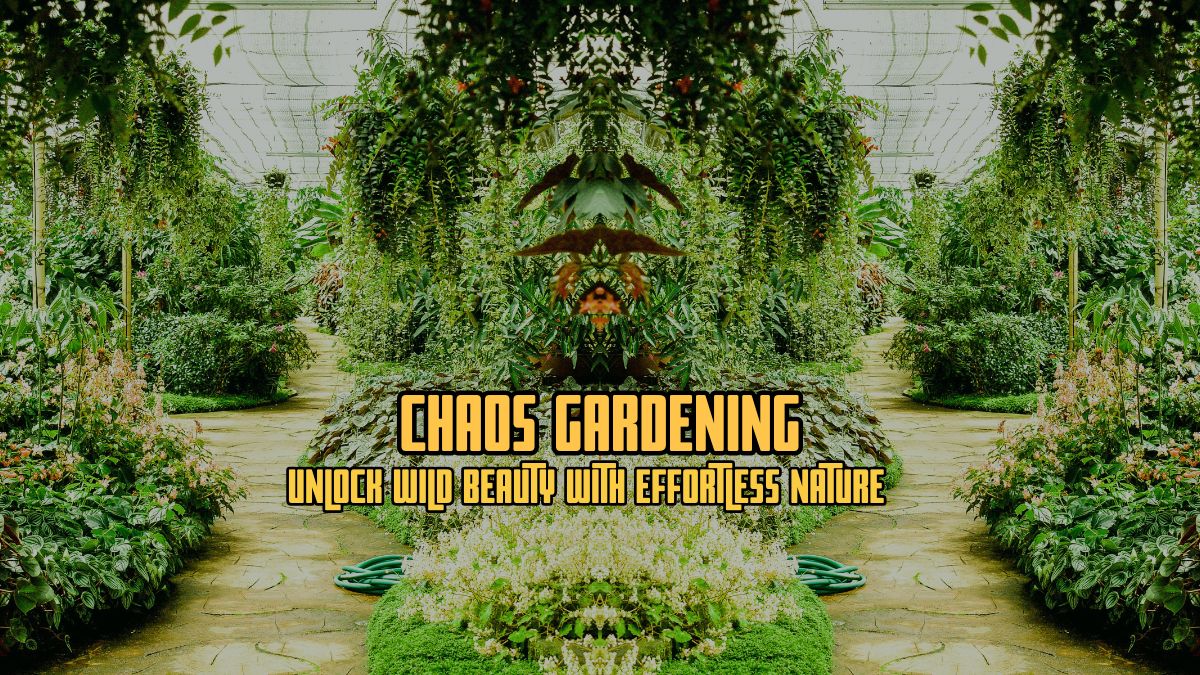
Imagine a garden where nature calls the shots, and you simply enjoy the surprising beauty it creates. That’s exactly what chaos gardening is all about.
Instead of carefully planting each seed in neat rows, you scatter a mix of seeds randomly and let the magic happen. You might think this sounds messy or unpredictable, but chaos gardening can lead to a vibrant, low-maintenance oasis full of life and color.
If you’re tired of strict gardening rules and want to discover a simple way to grow a thriving garden that works with nature, keep reading. Your garden—and your patience—will thank you.
Related Article: Organic Gardening: Ultimate Guide to Grow Healthy, Toxic-Free Plants
Related Article: Natural Garden Pest Control: Effective Tips for a Healthy Yard
Chaos Gardening Basics
Chaos gardening is a simple, natural way to grow plants. It breaks away from neat rows and strict plans. Instead, seeds are scattered freely. This allows plants to find their own spots and grow where they like best. The garden becomes a lively mix of flowers, herbs, and vegetables. It creates a strong and healthy space for plants and wildlife. Chaos gardening needs less work and suits people who enjoy nature’s surprises.
Seed Scattering Techniques
Scatter seeds by hand over the soil or lawn area. Use your fingers or a small scoop for even spreading. Toss seeds lightly to avoid clumps. Mix different seeds for variety in one spot. Scatter in early spring or fall for best results. No need to dig or create rows. Let nature decide where each seed will grow.
Natural Plant Selection
Plants choose their own best places to grow. Some seeds sprout quickly; others take time. Stronger plants survive and thrive naturally. Weaker plants fade away without extra help. This creates a balanced garden with healthy plants. Wildlife like bees and butterflies benefit from diverse flowers. The garden adapts and changes each season on its own.
Minimal Maintenance Approach
Chaos gardening needs little care after planting. Water lightly if there is no rain. Avoid pulling out plants too early. Let plants self-thin and find space. No need for constant weeding or trimming. This saves time and effort for gardeners. Enjoy watching nature take its course freely and calmly.
Using Leftover Seeds
Use leftover seeds from other gardening projects. Mix and scatter them in unused garden spots. This reduces waste and saves money. Leftover seeds add surprise plants to your chaos garden. Many seeds grow well without special care. Using what you have encourages a sustainable gardening habit.
Ideal Plants For Chaos Gardens
Choosing the right plants is key to a successful chaos garden. Ideal plants thrive without strict order. They grow well with little care. These plants support a natural balance. They invite wildlife and create beauty. Diverse plants fit the chaos garden style. Each type plays a role in the ecosystem.
Pollinator-friendly Flowers
Flowers that attract bees, butterflies, and other insects suit chaos gardens perfectly. Examples include bee balm, coneflowers, and black-eyed Susans. These plants bloom in various colors and shapes. They provide nectar and pollen all season. Pollinator-friendly flowers help maintain healthy gardens. They support pollination, which boosts plant growth and fruit production.
Hardy Annuals And Perennials
Plants that withstand harsh conditions make chaos gardens resilient. Hardy annuals like poppies and cosmos grow quickly and reseed themselves. Perennials such as echinacea and yarrow return year after year. These plants need less water and care. They fill gaps naturally, creating a lush, wild look. The mix of annuals and perennials keeps the garden lively and balanced.
Native Species Benefits
Native plants adapt well to local climates and soils. They need less water and no special fertilizers. These species support native insects, birds, and animals. Using natives helps preserve regional biodiversity. They often resist pests and diseases better than imported plants. Native species form the backbone of a healthy chaos garden. They create a sustainable and natural environment.
Benefits Of Chaos Gardening
Chaos gardening offers a unique way to grow plants with many benefits. This method embraces natural growth patterns and reduces strict control. The results are gardens that thrive with less effort and create healthy ecosystems. Below are some key advantages of chaos gardening.
Enhanced Biodiversity
Chaos gardening encourages many types of plants to grow together. This mix attracts insects, birds, and other wildlife. It helps create a balanced environment where plants support each other. Diverse plant life improves garden health and resilience.
Soil Moisture And Temperature Control
Plants growing close together shade the soil naturally. This shade keeps the soil cooler and holds moisture longer. Better soil moisture reduces the need for frequent watering. Healthy soil temperature helps roots grow strong and steady.
Low Effort, High Reward
Chaos gardening needs less planning and maintenance. Seeds are sown randomly, so there is no need for precise rows. Weeding and watering become easier and less time-consuming. This method suits gardeners who want simple, natural care.
Creating A Wild, Natural Look
The garden appears free and untamed, like nature itself. This wild look brings beauty and charm to any space. It offers a peaceful, relaxed atmosphere for garden lovers. The natural style can fit well in both urban and rural areas.

Credit: www.thepioneerwoman.com
Managing Expectations
Managing expectations is key to enjoying chaos gardening. This style of gardening thrives on natural randomness and surprises. It requires a mindset shift from control to observation. Preparing for varied results helps reduce frustration. It also opens space for discovery and joy. Understanding what to expect makes the process smoother and more rewarding.
Embracing Unpredictability
Chaos gardening invites unpredictability in plant placement and growth. Seeds scatter without strict order or pattern. Some plants will thrive unexpectedly, while others may struggle. This natural randomness creates a lively, ever-changing garden. Accepting this uncertainty is part of the fun and learning. It allows the garden to evolve in unique ways.
Plant Competition And Growth Variations
Plants in chaos gardens compete for sunlight, water, and nutrients. Some grow tall and strong, overshadowing smaller neighbors. Others may adapt by spreading wider or growing faster. These variations create a dynamic balance in the garden. Recognizing this natural competition helps gardeners avoid frustration. It also encourages patience and close observation of plant behavior.
Accepting Mixed Success
Not every seed will grow as planned in chaos gardening. Some plants may fail, while others flourish unexpectedly. This mix of success and failure is normal and valuable. It teaches resilience and flexibility to gardeners. Celebrating small victories and learning from failures enriches the gardening experience. Over time, the garden reflects a beautiful, natural diversity.
Starting Your Chaos Garden
Starting your chaos garden is simple and fun. This method lets nature guide your garden’s design. You plant seeds freely, allowing them to grow where they want. It creates a lively and diverse space with little effort. Follow easy steps to begin your own chaos garden today.
Selecting And Mixing Seeds
Choose a variety of seeds that grow well in your area. Mix flowers, herbs, and vegetables for diversity. Wildflowers and pollinator-friendly plants work well. The more seed types you mix, the richer your garden will become. Avoid strict patterns; scatter seeds freely for natural growth.
Preparing The Soil
Clear the area of weeds and debris. Loosen the soil with a rake or garden fork to improve drainage. You do not need perfect soil for chaos gardening. A light layer of compost helps feed plants but is optional. Let nature do most of the work.
Scattering And Watering Tips
Scatter seeds evenly but without order. Cover seeds lightly with soil or mulch to protect them. Water gently to avoid washing seeds away. Keep soil moist until seeds sprout. After that, water less often to encourage strong roots.
Seasonal Timing Considerations
Plant seeds in early spring or fall for best results. Check local frost dates to avoid damage. Some plants prefer cooler weather; others thrive in warmth. Scatter seeds according to the season’s needs. This helps your chaos garden grow healthy and vibrant.
Advanced Chaos Gardening Tips
Advanced chaos gardening tips help you take this natural method further. These tips keep your garden healthy and full of life. They also balance wild growth with useful plants. Follow simple steps to make your chaos garden thrive.
Use these ideas to encourage pollinators, add edible plants, control overgrowth, and practice sustainability. Each step supports a lively, balanced ecosystem in your garden space.
Encouraging Pollinators And Wildlife
Plant a variety of flowers that bloom at different times. This provides food for bees, butterflies, and birds all year. Use native plants as they attract local wildlife better. Avoid pesticides to keep pollinators safe. Add water sources like shallow dishes or small ponds. Create shelter with logs, rocks, or dense plants. These features invite beneficial insects and animals to your garden.
Incorporating Edibles
Mix vegetables, herbs, and fruits with wildflowers in your garden. Choose plants that grow well in your area and season. Scatter seeds in small patches among other plants. This method adds food without disturbing natural growth. Companion planting helps protect crops and improves soil health. Harvest regularly to encourage new growth and prevent overgrowth. Edibles can thrive in chaos gardens with little extra care.
Managing Overgrowth
Allow some wild growth but keep it under control. Remove invasive plants before they spread too far. Cut back tall plants to let sunlight reach lower ones. Use mulching to suppress weeds and keep soil moist. Regularly check for overcrowded areas and thin plants out. This balance helps maintain diversity and prevents plants from choking each other. Managing overgrowth keeps your garden healthy and visually pleasing.
Sustainability Practices
Use compost to enrich soil naturally and reduce waste. Collect rainwater to water plants during dry periods. Avoid chemical fertilizers and pesticides for a cleaner environment. Choose drought-tolerant and native plants to save water. Rotate plant locations to improve soil and reduce pests. These practices support long-term health for your garden and the planet. Sustainability is key in successful chaos gardening.
:max_bytes(150000):strip_icc()/chaos-gardening-GettyImages-1167721095-7988b9985b63416898987c73c6265fa4.jpg)
Credit: www.realsimple.com
Related Article: Beneficial Insects for Garden: Essential Allies for Thriving Plants
Conclusion
Chaos gardening invites you to embrace nature’s unpredictability. It encourages planting without strict rules or patterns. This method creates a lively, diverse garden space. You save time and effort by letting plants grow freely. Expect surprises as flowers and veggies mix naturally.
This style suits those who enjoy low-maintenance gardening. Chaos gardening helps build a resilient, self-sustaining garden. Give it a try to see how wild beauty can flourish. Nature often knows best—sometimes, less control leads to more growth.
Related Article: Natural Garden Pest Control: Effective Tips for a Healthy Yard
2 Responses
[…] Related Article: Chaos Gardening: Unlock Wild Beauty with Effortless Nature […]
[…] Related Article: Chaos Gardening: Unlock Wild Beauty with Effortless Nature […]