
Are you thinking about upgrading your kitchen or bathroom with quartz countertops but unsure if they’re the right choice for you? Quartz countertops have become a top contender for homeowners who want a stylish, durable, and low-maintenance surface.
But before you make a decision, it’s important to understand everything about their benefits, drawbacks, and what to expect during installation and everyday use. In this guide, you’ll discover the key facts about quartz countertops—from their stunning appearance to potential challenges like heat sensitivity and cost.
By the end, you’ll be equipped to decide if quartz is the perfect fit for your home and lifestyle. Keep reading to learn all you need to know!
Quartz Material Basics
Quartz countertops have become popular for kitchens and bathrooms. Understanding the basics of quartz material helps in making informed choices. This section explains what quartz is and how it is made. It also compares natural quartz to engineered quartz.
Composition And Manufacturing
Quartz countertops are made mostly from natural quartz crystals. These crystals are combined with resins and pigments. The mixture is pressed into slabs under high heat and pressure. This process creates a hard and durable surface. The resin binds the quartz particles together. Pigments add color and patterns. The result is a strong, non-porous countertop material. It resists stains and scratches well.
Natural Vs Engineered Quartz
Natural quartz is a mineral found in the earth. It forms as part of rocks and is mined for use. However, natural quartz alone is brittle and not practical for countertops. Engineered quartz is made by mixing natural quartz with resins and colorants. This combination creates a more durable and uniform surface. Engineered quartz offers consistent patterns and colors. Natural quartz surfaces may have more unique, varied appearances. Engineered quartz is easier to maintain and does not require sealing. It is also resistant to bacteria and moisture.

Credit: marble-concepts.com
Durability And Performance
Quartz countertops are known for their strong durability and reliable performance. They combine natural quartz with resins to create a tough surface. This blend offers resistance to many common kitchen hazards. Understanding how quartz handles heat, sunlight, and chemicals helps maintain its beauty and function. Below are key aspects to consider for durability and performance.
Heat Sensitivity And Care
Quartz can resist scratches and stains but is sensitive to heat. The resin in quartz may scorch or crack from hot pots placed directly on it. Always use trivets or heat pads to protect the surface. Avoid placing hot pans or dishes straight from the oven onto the countertop. Proper care prevents damage and extends the countertop’s life.
Uv Exposure Effects
Quartz countertops are not ideal for outdoor use. Prolonged exposure to direct sunlight can cause fading or yellowing. UV rays affect the resin, leading to discoloration over time. Indoor kitchens shield quartz from sun damage, preserving its color and shine. Avoid installing quartz in areas with strong, constant sunlight.
Chemical Resistance
Quartz resists many household stains but is vulnerable to harsh chemicals. Strong cleaners like oven or drain cleaners can damage the resin layer. Use mild soap and water for cleaning quartz surfaces. Avoid bleach, ammonia, or acidic substances to keep the countertop safe. Gentle maintenance keeps quartz looking new longer.
Visual Appeal And Design
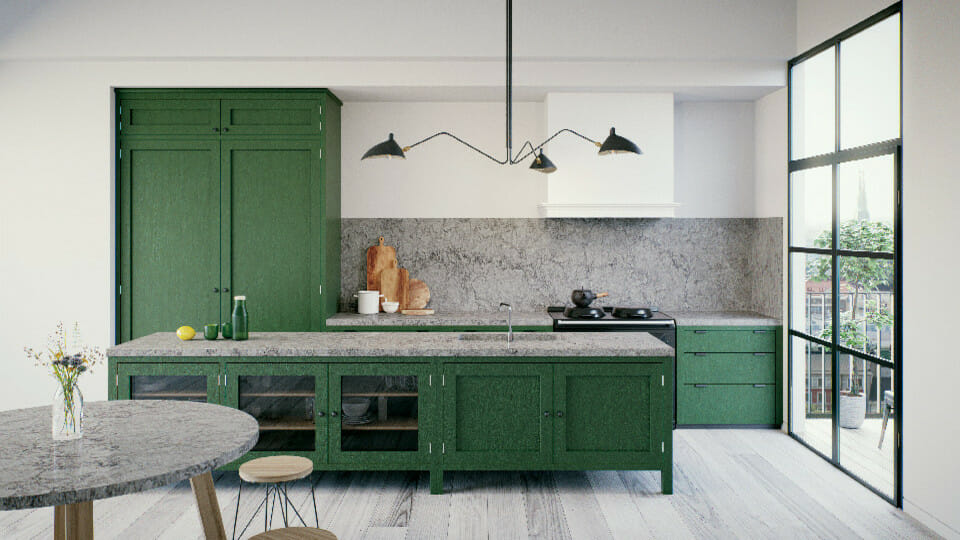
Quartz countertops offer a sleek and modern look that enhances any kitchen or bathroom. Their visual appeal and design flexibility make them a popular choice for homeowners and designers alike. The surface shines with a smooth, polished finish that brightens the space. Quartz also provides a consistent look that fits well with many decor styles.
Color And Pattern Options
Quartz comes in a wide range of colors. From soft neutrals to bold shades, it suits many tastes. Patterns vary from subtle flecks to dramatic veining. These designs mimic natural stone or create unique looks. The manufacturing process allows precise control over color and pattern. This means you can find quartz that matches your style perfectly.
Seams And Surface Continuity
Seams appear where quartz slabs join. Skilled installers minimize their visibility. Smaller countertop areas often show no seams at all. Large surfaces may have noticeable lines, but these can blend well with the overall design. Quartz’s engineered nature helps maintain a smooth, even surface. This continuity adds to its clean, polished appearance.
Comparisons With Natural Stone
Natural stones like granite and marble offer unique, one-of-a-kind patterns. Quartz provides more uniformity and consistency. It resists stains and scratches better than many natural stones. Unlike granite, quartz does not need sealing. This makes quartz easier to maintain. Some prefer natural stone for its organic beauty. Others choose quartz for its durability and variety.
Credit: www.caesarstoneus.com
Installation Considerations
Installing quartz countertops involves specific factors that affect the process and outcome. Proper planning ensures the countertop fits perfectly and lasts long. Understanding these considerations helps avoid common installation issues.
Weight And Handling
Quartz countertops are very heavy compared to other materials. This weight makes them difficult to move and position. Careful handling is necessary to prevent damage or injury during installation.
Support structures must be strong enough to hold the quartz slabs. Cabinets and flooring should be checked before installation to ensure they can bear the load. Incorrect support may cause cracking or breaking over time.
Professional Installation Needs
Quartz installation requires skilled professionals with experience in handling heavy stone surfaces. They use specialized tools to cut and fit the slabs precisely. DIY installation is not recommended due to the complexity and risk of damage.
Professionals also ensure proper sealing of seams and edges. This prevents water damage and maintains the countertop’s appearance. Choosing certified installers guarantees a smooth and secure setup.
Cost Factors
The cost of quartz countertops varies based on several important factors. Understanding these helps you plan your budget better. Costs include not just the price of materials but also installation and maintenance. Knowing what affects cost guides you in making smart choices.
Upfront Expenses
The initial cost of quartz countertops depends on the quality and brand. Premium quartz with unique patterns costs more. The thickness of the slab affects price too. Installation fees add to the total cost. Complex designs or custom edges raise expenses. Delivery charges and removal of old counters are extra. Always ask for a detailed estimate before buying.
Long-term Value
Quartz countertops last many years with proper care. They resist stains and scratches better than many materials. This durability reduces replacement costs over time. Quartz needs little maintenance, saving money on cleaning products. Its non-porous surface lowers the chance of costly repairs. A well-maintained quartz countertop adds value to your home. Investing upfront can mean savings later.
Environmental Impact
Quartz countertops have become popular for their beauty and durability.
Understanding their environmental impact helps make smarter choices.
Let’s explore how quartz affects the environment during manufacturing and use.
Manufacturing Footprint
Quartz countertops combine natural quartz with resin and pigments.
Mining quartz requires energy and disturbs natural landscapes.
Processing and mixing materials consume electricity and water.
Transporting heavy slabs adds to carbon emissions.
Factories may produce waste and use chemicals that need careful handling.
Health Concerns For Fabricators
Cutting and shaping quartz releases fine silica dust into the air.
Silica dust can cause serious lung diseases if inhaled frequently.
Fabricators must wear protective gear to reduce health risks.
Proper ventilation and dust control systems help keep workspaces safe.
Awareness and safety measures protect workers from long-term harm.
Suitability And Use Cases
Quartz countertops offer a blend of beauty and strength. Understanding their suitability helps choose the right space for installation. Their unique composition impacts where they perform best and where they might face challenges.
Evaluating indoor and outdoor uses clarifies their practical applications. Knowing the best rooms for quartz guides homeowners in making smart design choices.
Indoor Vs Outdoor Applications
Quartz is mainly designed for indoor use. The resin in quartz can fade or yellow under direct sunlight. This makes quartz less ideal for outdoor kitchens or patios. Extreme heat may also damage the surface. Trivets or heat pads are needed to protect against hot pots.
Indoor environments protect quartz from UV rays and harsh weather. This keeps the surface looking new longer. Quartz resists stains and scratches indoors. Still, harsh chemicals should be avoided to prevent damage to the resin.
Best Rooms For Quartz Countertops
Kitchens are perfect for quartz countertops. They handle daily cooking tasks well. Quartz resists stains from common kitchen spills. It also stands up to scratches from knives and utensils.
Bathrooms benefit from quartz too. The material resists moisture and is easy to clean. Quartz helps maintain a fresh, polished look in busy bathrooms. Laundry rooms and home bars are also good fits. These spaces gain from quartz’s durability and low maintenance.
Maintenance Tips
Maintaining quartz countertops keeps them looking fresh and lasting longer. These surfaces are tough but need care to stay beautiful. Follow simple maintenance tips to protect your investment. Proper care prevents damage and keeps the quartz shiny.
Cleaning Guidelines
Use a soft cloth or sponge with warm water for daily cleaning. Mild dish soap works well to remove dirt and spills. Avoid abrasive cleaners or scrubbers that can scratch the surface. Rinse thoroughly and dry with a clean towel to prevent streaks. For tough stains, use a non-abrasive cleaner made for quartz surfaces. Wipe spills quickly to avoid staining, especially from oils, wine, or coffee.
Preventing Damage
Never place hot pots or pans directly on quartz countertops. Use trivets or heat pads to protect from heat damage. Avoid cutting or chopping directly on the surface; always use a cutting board. Keep harsh chemicals like bleach or oven cleaner away from quartz. These can dull or discolor the resin binders. Protect the countertop from direct sunlight to prevent fading over time. Handle heavy items carefully to avoid chips or cracks.
Common Drawbacks
Quartz countertops offer many benefits, but they also have some drawbacks to consider. Understanding these common issues helps you make a better choice for your kitchen. This section covers the main concerns about quartz surfaces.
Heat Damage Risks
Quartz contains resins that can be damaged by heat. Placing hot pots or pans directly can cause scorches or cracks. Using trivets or heat pads protects the surface and extends its life.
Color Fading Issues
Prolonged exposure to direct sunlight can cause quartz to fade or yellow. This makes quartz less suitable for outdoor kitchens or areas with strong sun. Protecting quartz from UV rays keeps its color vibrant longer.
Visible Seams
Large quartz installations often show seams where slabs join. These seams can be noticeable and affect the smooth look. Skilled installation can reduce this, but seams may still be visible in big countertops.
Chemical Sensitivity
Quartz surfaces can be damaged by harsh chemicals like oven cleaners or bleach. These chemicals can dull or weaken the resin binding the quartz. Using mild cleaners and avoiding strong chemicals preserves the countertop’s finish.

Credit: universalquartzz.com
Conclusion
Quartz countertops offer strong durability and a modern look for kitchens. They resist stains and require little maintenance. Keep hot pans off to avoid damage. Sunlight can fade colors over time, so avoid placing them outdoors. Installation needs expert handling due to weight.
Seams may show in larger areas, which some may notice. The cost is higher than other materials but often worth the investment. Choose quartz if you want a stylish, easy-care surface for indoor use. Consider these points to decide if quartz fits your kitchen needs well.
No responses yet