
Are you ready to transform your space and invite positive energy into your life? Understanding the rules of Feng Shui can help you create balance, harmony, and flow in your home or office.
These simple yet powerful principles guide how you arrange your environment to attract good fortune, health, and happiness. By learning how to balance elements like wood, fire, earth, metal, and water, and by managing the flow of life energy called Qi, you can unlock the full potential of your surroundings.
Keep reading to discover the essential Feng Shui rules that you can apply right now to make your space feel more vibrant, peaceful, and aligned with your goals. Your journey to better energy starts here!

Credit: www.cabinfield.com
Five Elements Balance
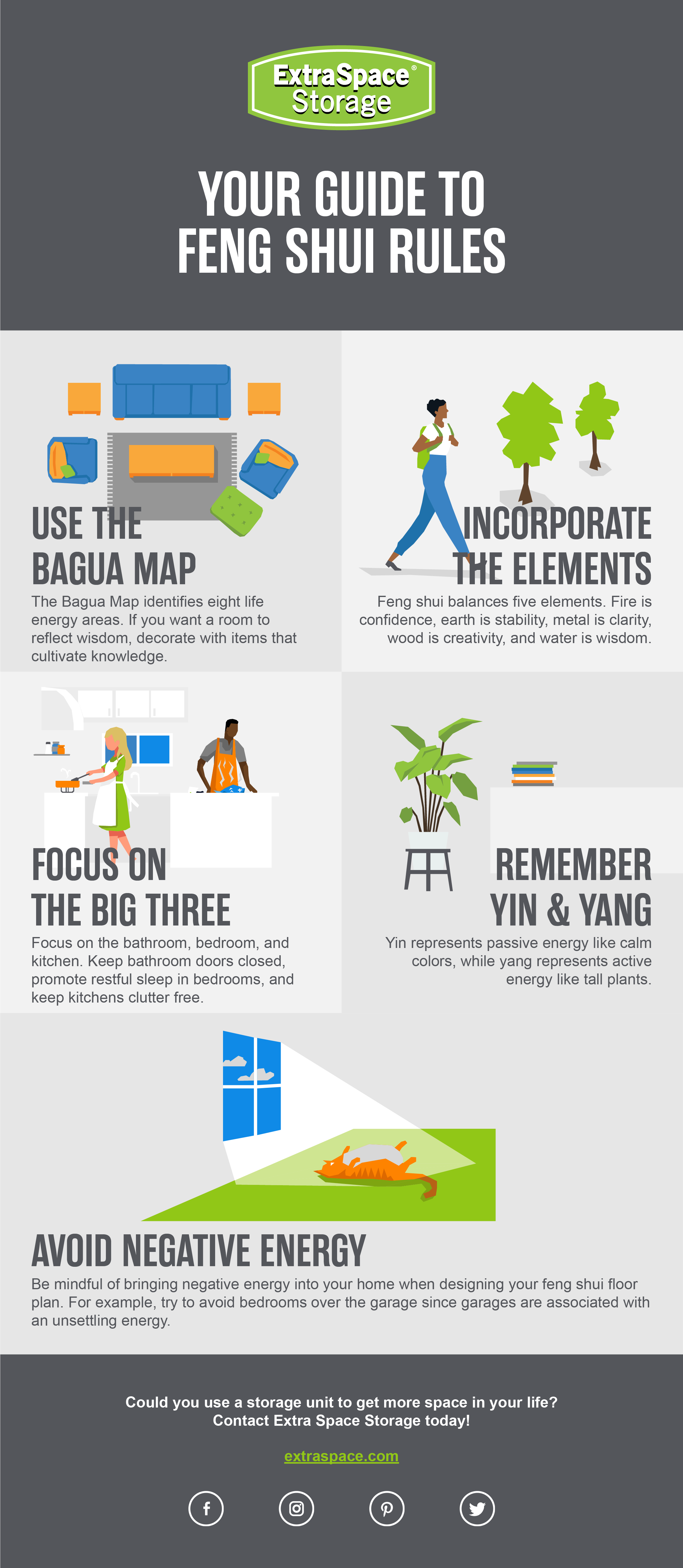
The Five Elements Balance is a key rule in Feng Shui. It involves using five natural elements to create harmony in your space. Each element has unique traits and energies. Balancing these brings peace and positive energy into your home or office.
Wood Energy Traits
Wood represents growth and creativity. It promotes new ideas and fresh energy. Wood energy is linked to the color green and blue. Plants and wooden furniture bring Wood energy into a room. It encourages vitality and development.
Fire Energy Traits
Fire symbolizes passion and fame. It creates warmth and excitement. Red colors and triangular shapes express Fire energy. Candles and lights also bring this element alive. Fire stimulates energy and motivation.
Earth Energy Traits
Earth stands for stability and grounding. It helps create a calm and safe space. Earth energy shows in yellow and brown colors. Ceramics and stones represent this element well. It supports balance and strength.
Metal Energy Traits
Metal relates to clarity and precision. It sharpens focus and mental strength. White, gray, and metallic objects carry Metal energy. Metal elements improve organization and clean design. They bring order and calmness.
Water Energy Traits
Water reflects flow and career growth. It encourages calm and adaptability. Black and blue colors show Water energy. Mirrors, fountains, and glass bring Water into a room. Water helps energy move smoothly and freely.
Credit: www.extraspace.com
Qi Flow Management
Qi Flow Management is a core rule in Feng Shui. It focuses on how energy, or Qi, moves through your space. Proper Qi flow creates harmony, peace, and balance in your home or office. Managing Qi helps attract positive energy and keeps negative energy away.
Qi should flow smoothly and gently. Sharp corners, clutter, and blocked pathways stop the energy. These blockages cause tension and discomfort. Careful arrangement of furniture and objects supports the free movement of Qi.
Smooth Energy Movement
Qi moves like water, flowing softly through rooms. Smooth energy movement brings calm and balance. Arrange furniture to allow open pathways. Avoid placing large objects in narrow spaces. Let Qi travel around corners and through doorways freely. Use curved shapes to guide energy flow naturally. Open windows and fresh air also help Qi to circulate.
Avoiding Energy Blockages
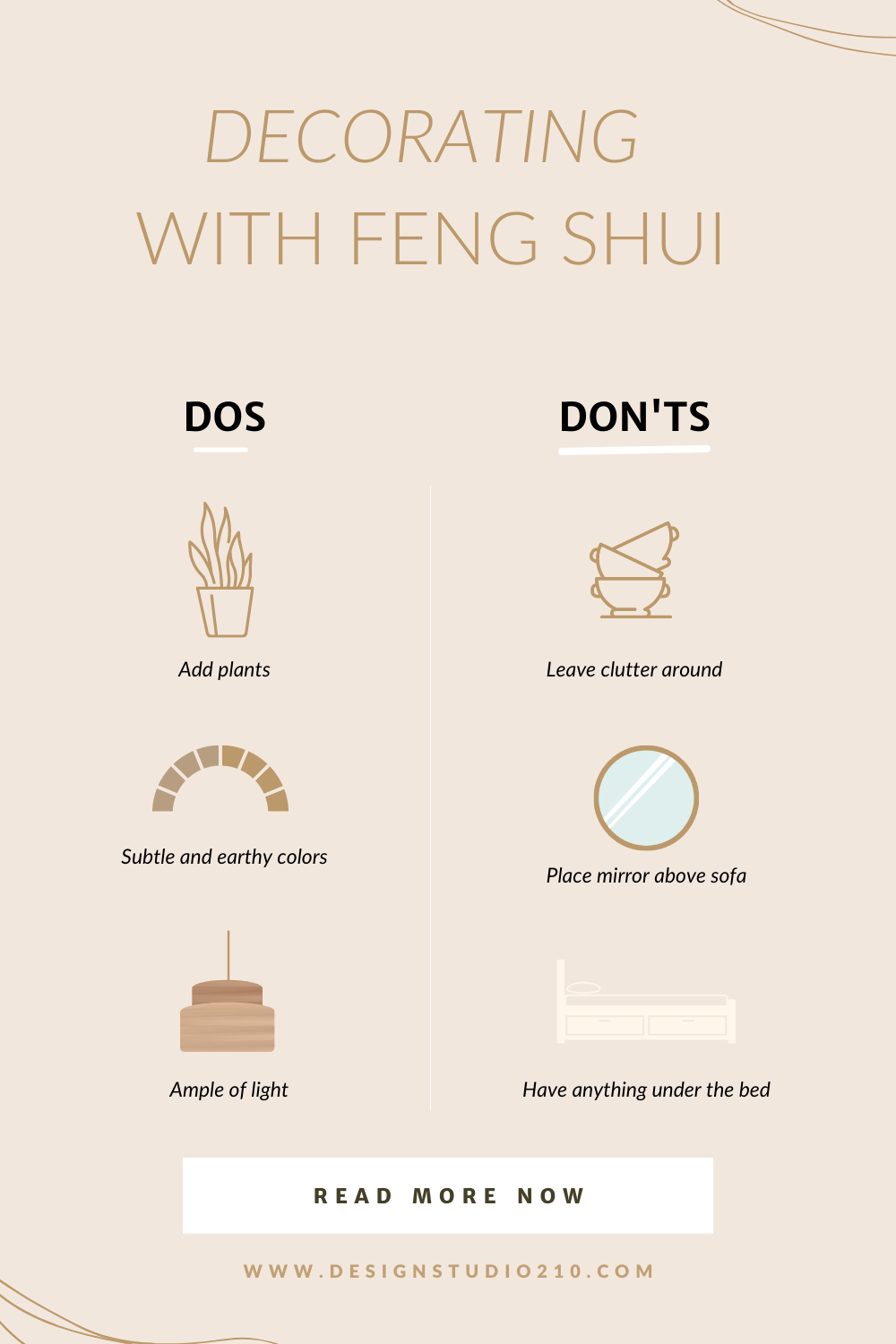
Blockages trap energy and create stagnation. Clutter is a common cause of blocked Qi. Clear floors and surfaces regularly. Do not place furniture directly in front of doors. Sharp edges pointing at seating areas create negative energy. Use plants and soft fabrics to soften harsh angles. Remove broken or unused items quickly. These steps keep energy fresh and active in your space.
Yin And Yang Harmony
Yin and Yang Harmony lies at the heart of Feng Shui. It teaches us how to balance two opposite energies. Yin represents calm, rest, and quiet. Yang stands for movement, energy, and action. Together, they create a balanced and harmonious environment. Understanding this balance helps design spaces that support well-being and comfort.
Yin Spaces For Rest
Yin spaces invite relaxation and calm. Bedrooms and meditation areas are perfect examples. These spaces use soft colors, dim lighting, and gentle textures. They reduce noise and avoid bright or harsh elements. Yin energy slows down the mind and body. It helps you recharge and find peace.
Yang Spaces For Activity
Yang spaces encourage movement and focus. Kitchens, offices, and gyms are often Yang areas. They have bright lights, vibrant colors, and lively decorations. Yang energy boosts motivation and productivity. These areas feel dynamic and inspiring. They support action and creativity.
Balancing Opposing Forces
Balancing Yin and Yang creates harmony in any home. Too much Yin makes a space feel dull or sleepy. Too much Yang causes stress or restlessness. Combine soft and bright colors, quiet and lively areas. Use furniture and decor to blend calm and energy. This balance helps energy flow smoothly through your space.
Credit: www.designstudio210.com
Bagua Map Application
The Bagua Map is a key tool in Feng Shui. It helps divide your space into nine areas. Each area connects to a part of your life. Using this map guides how to arrange your home or office. It brings balance and positive energy to daily life.
Mapping Life Areas
Start by placing the Bagua Map over your floor plan. Align the bottom edge with your main entrance wall. Each section represents life areas like wealth, health, and love. Identify which room falls into which section. This step reveals where energy flows and where it may block.
Targeted Energy Remedies
After mapping, apply Feng Shui cures for each life area. For wealth, add green plants or symbols of abundance. For health, use earth tones and natural materials. In the love area, place pairs of objects or pink colors. These simple fixes boost the energy in specific zones. They help bring harmony and support your goals.
Commanding Position Setup
The Commanding Position Setup is a key Feng Shui rule that helps you feel secure and in control. It focuses on arranging important furniture so you can see the door clearly. This setup creates a calm and balanced energy flow in your space.
The idea is simple. Place your bed, desk, or stove where you face the door but do not sit directly in line with it. This position helps you avoid surprise and stress. It also increases your confidence and peace of mind.
Furniture Placement Rules
Position large furniture against solid walls for support. Avoid placing items with your back to the door. Keep pathways clear to allow smooth energy flow. Use sturdy, well-made pieces to promote stability. Avoid clutter around key furniture to maintain focus and calm.
Enhancing Control And Safety
Being in the commanding position boosts your sense of control. It reduces anxiety by letting you see who enters the room. This setup promotes safety and readiness. It also helps you stay alert and focused in work or rest areas.
Clutter Clearing Benefits
Clearing clutter plays a vital role in Feng Shui. It helps maintain harmony and balance in your living space. Clutter blocks energy flow and creates a heavy atmosphere. Removing it allows fresh energy to circulate freely. This process brings many benefits to your home and life.
Removing Stagnant Energy
Clutter traps old energy that no longer serves you. It causes a feeling of heaviness and slows down movement. Clearing clutter frees up this stagnant energy. It refreshes your environment and makes it feel lighter. This boost in energy improves mood and focus.
Spaces without clutter invite calmness and peace. The energy flows smoothly through every room. This smooth flow supports health and well-being. It helps you feel more relaxed and balanced daily.
Welcoming New Opportunities
Removing clutter opens space for new things to enter your life. It creates room for fresh ideas and good luck. A tidy home signals readiness for change and growth. This openness attracts positive energy and new chances.
Clearing clutter also clears your mind. It helps you see possibilities more clearly. With less distraction, you take better actions toward your goals. New opportunities come easier when your space feels inviting and organized.
Common Feng Shui Mistakes
Many people want to improve their home’s energy with Feng Shui. Yet, common mistakes block good energy and create problems. Avoiding these errors helps your space feel calm and balanced. Here are some frequent Feng Shui mistakes to watch out for.
Blocked Doorways
Doorways are the main entry points for energy, called Qi. When doorways are blocked by furniture or clutter, energy cannot flow smoothly. This blockage causes stagnation and reduces positive energy in your home. Keep doorways clear and easy to open. Make sure nothing stops the energy from entering freely.
Poor Furniture Alignment
Furniture placement affects how energy moves in a room. Chairs, beds, and desks should face the door but not be directly in line with it. This position is called the Commanding Position. Poor alignment creates discomfort and weakens your sense of safety. Arrange furniture to allow a clear view of the door and easy movement around the room.
Excessive Clutter
Clutter blocks energy flow and creates a chaotic atmosphere. It traps stagnant Qi and lowers your mood. Removing unnecessary items opens space for fresh energy and new opportunities. Keep rooms tidy and organized. Clear surfaces and storage areas to maintain balance and harmony in your home.
Feng Shui In Different Rooms
Feng Shui applies unique rules to different rooms in your home. Each room needs special care to balance energy well. The goal is to create harmony and comfort in every space. Adjusting furniture and colors can improve the flow of positive energy or Qi. Below are simple tips for key rooms.
Living Room Tips
Keep the living room open and inviting. Arrange seating to encourage conversation and connection. Avoid blocking doorways or windows to let energy flow freely. Use soft, warm colors to create a welcoming mood. Add natural elements like plants or wood for balance. Place a mirror to reflect light but never opposite the door.
Bedroom Arrangements
Position the bed in the commanding position, facing the door but not in direct line. Keep the bedroom tidy and free from clutter to promote restful sleep. Use soft, calming colors like pastels or earth tones. Avoid electronics near the bed to reduce energy disruption. Add pairs of items, like lamps or pillows, to enhance relationships.
Kitchen Energy Flow
The kitchen should feel clean and organized to support health. Place the stove away from the sink to avoid conflict of elements. Use bright lighting and fresh colors such as yellow or orange to boost energy. Keep countertops clear to allow Qi to move freely. Include plants or fresh fruit to invite vitality.
Office Productivity Boost
Position your desk so you can see the door but not directly in line with it. Keep your workspace clutter-free to help focus and reduce stress. Choose colors like blue or green for calm and creativity. Add items that inspire you but avoid distractions. Natural light and plants improve mood and energy flow.
Spiritual Considerations
Spiritual considerations play a vital role in understanding Feng Shui. It is more than arranging objects or colors. Feng Shui involves energies that affect our lives deeply. Many people seek spiritual clarity when practicing Feng Shui. It is important to respect beliefs and maintain spiritual health while applying its rules.
Biblical Views On Feng Shui
The Bible does not mention Feng Shui directly. Some Christians feel cautious about Feng Shui’s spiritual roots. They worry it may conflict with biblical teachings. Others believe using Feng Shui for organizing spaces is harmless. It is key to focus on God’s guidance rather than relying on objects or symbols. Prayer and faith should lead any home arrangement choices.
Avoiding Occult Practices
Feng Shui has origins tied to ancient Chinese traditions. Some aspects may connect to occult or spiritual ideas. It is wise to avoid rituals or symbols that seem occult. Focus on Feng Shui as a tool for balance and harmony. Avoid using talismans, charms, or magic-related items. Keeping practices simple helps maintain clear spiritual boundaries.
Maintaining Spiritual Integrity
Spiritual integrity means staying true to personal faith. Feng Shui can improve home energy without conflicting with beliefs. Use it as a practical method to arrange space. Avoid letting Feng Shui replace prayer or spiritual values. Always ensure that your home environment reflects your faith and morals. Balance Feng Shui with spiritual wisdom for true harmony.
Conclusion
Applying the rules of Feng Shui helps create balance and calm. It guides the flow of energy to make spaces feel welcoming. Simple changes in your home can bring peace and positive vibes. Balancing elements and clearing clutter supports a healthy environment.
Use the Bagua Map to focus on important life areas. Place furniture thoughtfully to feel safe and in control. These small steps invite harmony into daily life. Embrace Feng Shui to improve your space and mood naturally.
No responses yet