
Are you ready to transform your living space while protecting the planet? Sustainable home improvement lets you upgrade your home with smart choices that save energy, reduce waste, and create a healthier environment for you and your family.
Imagine cutting your utility bills, enjoying fresh natural light, and using materials that are kind to the earth—all while making your home more beautiful and comfortable. You’ll discover easy and effective ways to make your home eco-friendly without breaking the bank.
Keep reading to find practical tips and inspiring ideas that will help you build a greener future right where you live.
Eco-friendly Materials
Choosing eco-friendly materials is a key step in sustainable home improvement. These materials reduce waste and limit harm to the environment. They also often last longer and use less energy in production.
Using green materials helps create healthier living spaces. It lowers your home’s carbon footprint and supports global efforts to protect natural resources.
Recycled And Reclaimed Options
Recycled materials come from waste that is processed to make new products. Examples include recycled glass, metal, and plastic used in tiles, countertops, and fixtures. These reduce the need for new raw materials and lower landfill waste.
Reclaimed materials are salvaged from old buildings or furniture. Wood, bricks, and stone can be reused in flooring, walls, and décor. This gives old materials a new life and keeps them out of landfills.
Renewable Resources Like Bamboo
Bamboo is a fast-growing grass that regenerates quickly without needing replanting. It is strong, lightweight, and versatile, making it ideal for flooring, cabinetry, and furniture.
Using bamboo helps reduce deforestation because it grows much faster than traditional hardwood trees. It also absorbs carbon dioxide, which helps combat climate change.
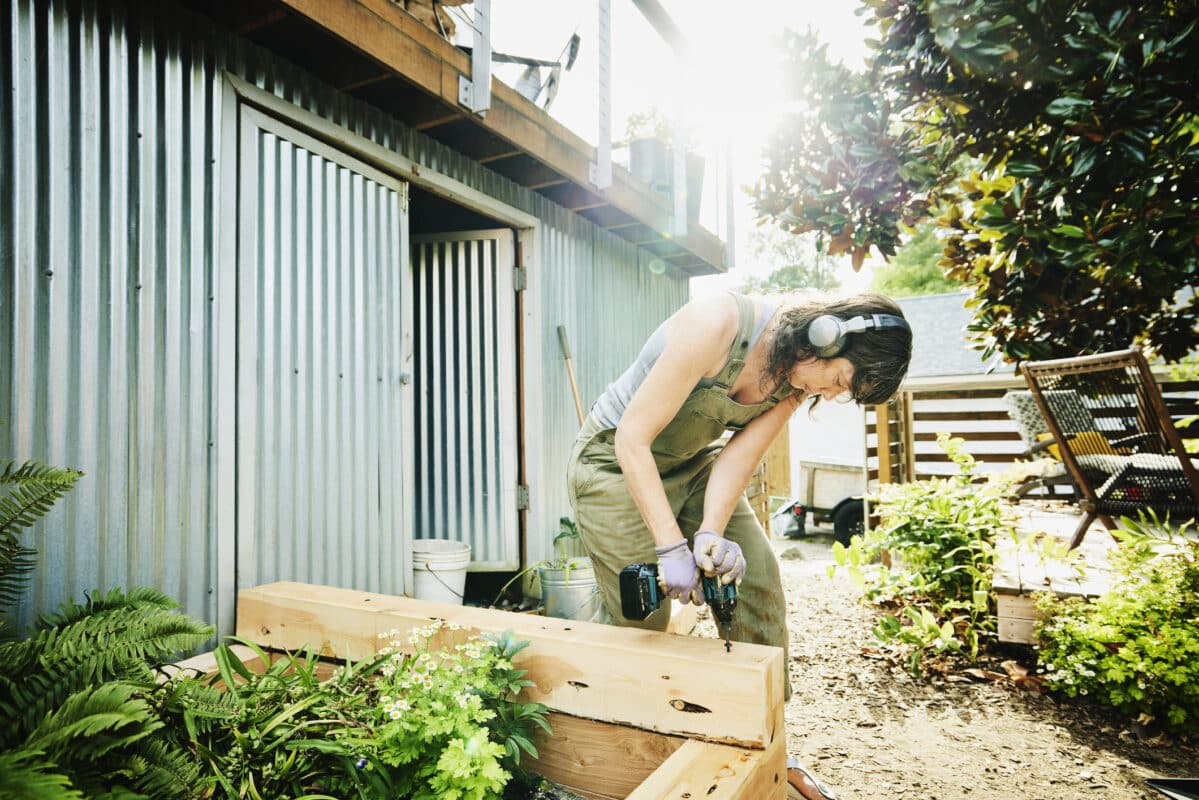
Credit: www.ecowatch.com
Energy-efficient Appliances
Energy-efficient appliances play a vital role in sustainable home improvement. They use less electricity and water, reducing environmental impact. These appliances help conserve resources and cut down pollution.
Choosing the right energy-efficient appliances improves your home’s overall sustainability. They perform well while consuming less power. This balance supports eco-friendly living without sacrificing convenience or comfort.
Choosing High-performance Models
Select appliances with high energy ratings. Look for labels like ENERGY STAR for trusted efficiency standards. High-performance models use advanced technology to minimize energy use.
Check the appliance’s energy consumption before buying. Compare similar models to find the best option. Prioritize durability and efficiency to save money and resources over time.
Impact On Utility Bills
Energy-efficient appliances reduce electricity and water bills significantly. Using less power lowers monthly expenses, easing financial pressure. Savings accumulate year after year.
Lower utility bills also mean less demand on power plants. This leads to fewer greenhouse gas emissions and a cleaner environment. Small changes in your home can create a big difference.
Solar Panel Installation
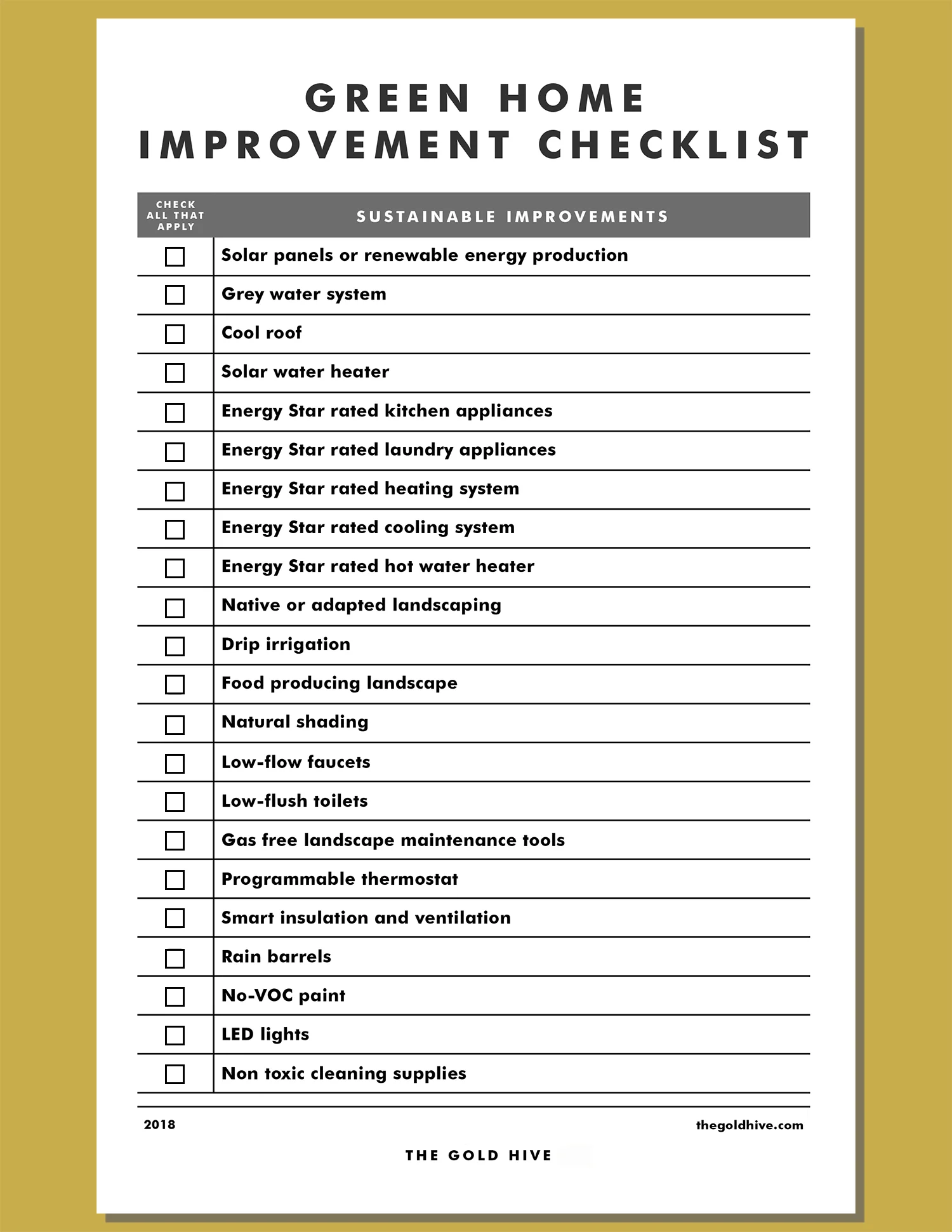
Solar panel installation is a key step in sustainable home improvement. It uses sunlight to create clean energy. This reduces your home’s reliance on fossil fuels. Solar panels help lower electricity bills and reduce your carbon footprint. Many homeowners in Austin, Texas, are choosing solar energy to make their homes greener.
Benefits For Homeowners
Solar panels cut down electricity costs. They provide free energy from the sun. Solar energy systems increase your home’s value. They make your home more attractive to buyers. Solar power reduces greenhouse gas emissions. This helps protect the environment. Panels require little maintenance and last many years. Solar energy offers energy independence from utility companies.
Cost And Incentives
Initial installation costs have dropped in recent years. Many local and federal incentives help lower costs. Austin residents can access tax credits and rebates. These incentives make solar panels more affordable. Financing options like loans and leases are available. Solar panels often pay for themselves over time. Savings on energy bills add up year after year.
Credit: www.thegoldhive.com
Water Conservation Fixtures
Water conservation fixtures help reduce water use in homes. These fixtures save water without losing performance. Installing them lowers water bills and protects local water supplies. They support sustainable living and reduce environmental impact.
Low-flow Showerheads And Faucets
Low-flow showerheads and faucets cut water use by limiting flow rates. They use less water per minute but maintain strong pressure. This means shorter showers and less water wasted. These fixtures are easy to install and affordable. They help save gallons of water daily. Low-flow options also reduce energy needed to heat water. Many models have simple designs and last long.
Smart Irrigation Systems
Smart irrigation systems control outdoor watering efficiently. They use sensors to detect soil moisture and weather conditions. These systems water plants only when needed, avoiding overwatering. Smart timers adjust watering schedules automatically. This saves water and keeps gardens healthy. Homeowners can manage systems via smartphone apps. Smart irrigation reduces water waste in lawns and gardens. It also lowers water bills and helps conserve resources.
Natural Lighting Solutions
Natural lighting solutions enhance your home’s sustainability by reducing energy use. Sunlight brightens rooms without electricity. It creates a healthy, inviting space. Using natural light wisely lowers energy bills and improves daily comfort.
Skylights And Window Placement
Skylights bring sunlight directly into darker areas of your home. They add light from above, making rooms feel larger. Proper window placement captures maximum daylight. South-facing windows get the most sun in colder months. East and west windows provide gentle morning and evening light. Careful planning avoids glare and heat build-up.
Energy Savings And Mood
Natural light cuts the need for artificial lighting during the day. This saves electricity and lowers utility bills. Sunlight also boosts mood and productivity. It helps regulate sleep patterns by supporting your body’s natural clock. Bright, sunlit spaces feel warm and welcoming. They create a positive environment for family and guests.
Sustainable Roofing Options
Choosing the right roof is key for a sustainable home. Sustainable roofing options help save energy, reduce waste, and protect the environment. These roofs also improve your home’s comfort and lower utility bills. Two popular choices include green roofs and cool roofs. Both offer unique benefits and support eco-friendly living.
Green Roofs And Cool Roofs
Green roofs have a layer of plants on top. They absorb rainwater and lower the temperature inside the house. Green roofs also improve air quality by capturing dust and pollution. These roofs create habitats for birds and insects, boosting local wildlife.
Cool roofs reflect sunlight and heat away from the building. They use special materials with light colors or reflective coatings. Cool roofs reduce the need for air conditioning and keep homes cooler in summer. They help lower energy costs and cut greenhouse gas emissions.
Durability And Environmental Impact
Sustainable roofing materials last long and require less maintenance. This reduces the need for frequent replacements and waste. Many green roofing products come from recycled or renewable sources. Cool roof coatings often contain low-toxicity substances, making them safer for the environment.
Both green and cool roofs help manage stormwater and reduce urban heat island effects. They improve the overall health of neighborhoods and cities. Choosing a durable, eco-friendly roof supports a cleaner, greener future for your home.
Indoor Air Quality
Indoor air quality plays a key role in creating a healthy, sustainable home. Poor air quality affects comfort and health. Dust, chemicals, and moisture can build up inside. These pollutants may cause allergies, asthma, and other health issues. Improving indoor air quality helps keep your family safe and comfortable. It also reduces the home’s environmental impact by using safer materials and systems.
Non-toxic Paints And Finishes
Many traditional paints release harmful chemicals called VOCs. These chemicals pollute indoor air and can harm health. Non-toxic paints and finishes use low or zero VOCs. They reduce indoor pollution and improve air quality. Choose water-based paints made from natural ingredients. These options offer good coverage without the toxic smell. Using non-toxic finishes also protects the environment during production and disposal.
Ventilation And Filtration Systems
Proper ventilation removes stale air and brings in fresh air. Mechanical ventilation systems improve airflow in tight, energy-efficient homes. Heat recovery ventilators save energy while exchanging indoor and outdoor air. Air filtration systems capture dust, pollen, and other particles. High-efficiency filters improve air cleanliness. Combining ventilation with filtration reduces allergens and pollutants. This keeps the indoor environment fresh and healthier all year round.
Smart Home Technologies
Smart home technologies bring new ways to save energy and improve comfort. These devices use sensors and automation to reduce waste. They help homeowners control their energy use easily. Integrating smart tech is a strong step toward sustainable living.
Energy Monitoring Devices
Energy monitoring devices track how much electricity your home uses. They show real-time data on a screen or app. This helps you spot high energy use and reduce it. Monitoring devices can identify appliances that waste power. By adjusting habits, you lower your energy bills and carbon footprint.
Automated Lighting And Thermostats
Automated lighting turns off lights when rooms are empty. This saves electricity without you needing to think about it. Smart thermostats learn your schedule and adjust heating or cooling. They keep your home comfortable while using less energy. These systems prevent energy waste and cut costs over time.
Waste Reduction Techniques
Reducing waste plays a key role in sustainable home improvement. Waste reduction techniques help lower environmental impact. They save resources and reduce landfill load. Applying these methods during home projects supports eco-friendly living. Small steps create big changes over time.
Composting And Recycling
Composting turns organic waste into nutrient-rich soil. Kitchen scraps, yard waste, and paper can be composted. This process cuts the amount of garbage sent to landfills. Compost enriches garden soil, reducing the need for chemical fertilizers.
Recycling separates materials like glass, metal, and plastic for reuse. Sorting waste correctly boosts recycling effectiveness. Many communities offer curbside recycling services for homes. Recycling conserves raw materials and lowers pollution from production.
Minimizing Construction Waste
Construction waste makes up a large share of landfill trash. Planning projects carefully limits leftover materials and debris. Measure twice, cut once to avoid excess waste. Use leftover wood, tiles, and bricks in creative ways.
Donate or sell unused materials to reduce waste further. Choose suppliers that take back packaging and scraps. Recycling construction waste like metal and concrete saves landfill space. Smart waste management lowers costs and environmental harm.
Credit: www.realhomes.com
Sustainable Landscaping
Sustainable landscaping creates outdoor spaces that save water and protect the environment. It focuses on using natural resources wisely. This approach reduces waste and supports local wildlife.
Smart landscaping lowers maintenance costs and keeps gardens healthy. It fits well in Austin’s dry climate and helps conserve water. Choosing the right plants and methods can make a big difference in your home’s sustainability.
Native Plants And Xeriscaping
Native plants grow well without much water or care. They adapt to local soil and weather. Using these plants means less need for fertilizers and pesticides.
Xeriscaping is a landscaping style that uses drought-tolerant plants. It reduces the need for watering and keeps the soil healthy. This method saves water and lowers your water bills. It also creates a natural look that fits Austin’s environment.
Rainwater Harvesting Methods
Rainwater harvesting collects rain for future use. It helps reduce demand on city water supplies. Simple systems include rain barrels or larger storage tanks.
Collected rainwater can water gardens and lawns. It supports sustainable landscaping by providing a free water source. Using rainwater also prevents stormwater runoff, which can cause erosion and pollution.
Conclusion
Sustainable home improvement helps save money and protect the planet. Simple changes like using recycled materials make a big difference. Energy-efficient appliances reduce bills and lower your carbon footprint. Natural light brightens your space and cuts electricity use. Solar panels provide clean energy and increase home value.
Small steps add up to a healthier, greener home. Everyone can contribute to a more sustainable future. Start today and enjoy a comfortable, eco-friendly living space.
No responses yet