
Have you ever used a product or visited a space that just “felt right”? It wasn’t just about how it looked or worked—it connected with you on a deeper level.
That’s the power of empathetic design. When designers truly understand your feelings, needs, and frustrations, they create solutions that make your life easier and more enjoyable. Imagine products that anticipate your unspoken needs or environments that make you feel calm and cared for.
You’ll discover how empathetic design goes beyond function to build meaningful experiences tailored just for you. Keep reading to learn how this approach can transform everyday interactions into moments of genuine connection.
Credit: islandpress.org
Core Principles
Empathetic design rests on core principles that guide creators to build products and services with real human needs in mind. These principles ensure the design process stays focused on understanding and connecting with users on a deeper level. The goal is to create solutions that feel natural and truly helpful.
User-centricity
User-centricity puts the user at the heart of every design decision. It means designing for real people, not just ideal scenarios. Every feature and detail aims to serve the user’s needs and preferences. This focus helps build trust and satisfaction.
Deep Understanding
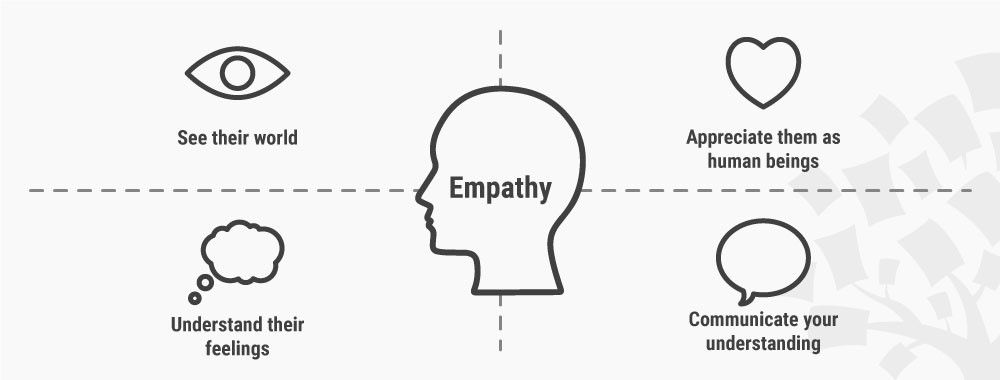
Deep understanding involves observing and listening carefully to users. It requires going beyond surface-level feedback to grasp hidden desires and challenges. Designers gather insights through interviews, shadowing, and empathy exercises. This knowledge shapes thoughtful and relevant solutions.
Emotional Connection
Empathetic design seeks to form an emotional bond between users and products. It recognizes feelings such as frustration, joy, and comfort. Designs that connect emotionally tend to be more memorable and meaningful. This connection drives loyalty and positive experiences.
Beyond Function
Designs do more than just work well. They also inspire, comfort, and delight users. Empathetic design goes beyond basic functionality to enhance overall well-being. It considers how products fit into users’ lives and emotions. This holistic approach creates lasting value.
Key Methods
Key methods in empathetic design help uncover real user needs and emotions. These techniques focus on understanding users deeply. They guide designers to create products that truly connect with people.
Empathetic design uses hands-on and attentive approaches. Each method reveals valuable insights about user behavior and feelings. These insights lead to better, user-friendly solutions.
Observation
Observation involves watching users in their natural environment. Designers note how people interact with products or services. This method captures real actions and reactions. It helps find hidden problems users may not express.
Participant Observation
Participant observation means designers join users in their activities. This immersive approach builds stronger empathy. Designers experience challenges firsthand and understand user context better. It reveals subtle needs and emotions often missed by simple watching.
Prototyping
Prototyping creates early versions of a product for testing. Users try these models and give feedback. This process uncovers what works and what does not. Rapid changes based on feedback improve the design quickly. It also involves users in shaping the final product.
Active Listening
Active listening means fully focusing on what users say. Designers ask open questions and encourage users to share stories. Listening carefully reveals feelings and needs beneath the words. It builds trust and deeper understanding between designers and users.
Examples In Practice
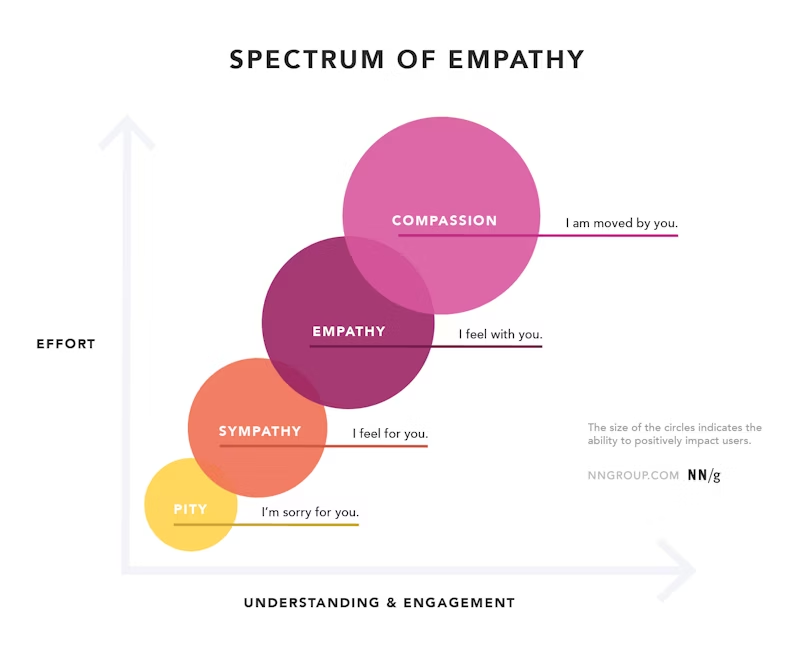
Empathetic design transforms ideas into real solutions by understanding users’ feelings and needs. It shapes environments, products, and technology to be more human-centered. Below are clear examples of empathetic design applied in various fields. Each one shows how empathy guides practical and thoughtful design choices.
Healthcare Spaces
Hospitals and clinics now focus on patient comfort and emotional well-being. Soft lighting and calming colors reduce stress and anxiety. Waiting areas offer privacy and quiet zones. Designers include easy navigation paths to avoid confusion. Spaces are created to feel less clinical and more welcoming.
Technology Solutions
Apps and devices are built with users’ challenges in mind. Voice commands help people with limited mobility use technology easily. Interfaces feature simple layouts for better understanding. Notifications are designed to avoid overwhelm. These solutions support users instead of frustrating them.
Biophilic Design
Nature inspires many empathetic designs. Buildings include plants, natural light, and water features. These elements improve mood and reduce stress. Spaces with natural views help users feel connected and relaxed. Biophilic design creates healthier and happier environments.
Inclusive Products
Products are designed to fit diverse needs and abilities. Adjustable features accommodate different body types. Clear instructions and tactile elements assist users with disabilities. Empathy ensures products are usable and enjoyable for everyone. Inclusion becomes a key design goal.
Credit: adamfard.com
Benefits For Users
Empathetic design offers clear benefits for users. It focuses on understanding real user feelings and needs. This approach creates products and services that truly support people in everyday life.
Users feel seen and valued when designs reflect their experiences. This connection leads to better interactions and satisfaction. Below are key benefits users gain from empathetic design.
Enhanced Well-being
Empathetic design creates spaces and tools that promote comfort. Users feel calm and relaxed using products tailored to their needs. This leads to improved mental and physical health over time. Designs that consider user emotions help reduce stress and boost happiness.
Reduced Frustration
When designs match user expectations, confusion decreases. Clear, intuitive interfaces prevent mistakes and save time. Users enjoy smoother experiences without constant interruptions. Empathy helps identify pain points and removes obstacles before they arise.
Emotional Support
Empathetic design recognizes emotional states and responds kindly. Products can offer reassurance and encouragement during difficult moments. This connection builds trust and loyalty between users and brands. Feeling understood creates a positive emotional bond.
Improved Accessibility
Designing with empathy means including all users, regardless of ability. Accessible designs remove barriers and open opportunities for everyone. Simple features like adjustable text size and voice control make a big difference. Empathy drives innovation that benefits diverse user groups.
Challenges And Misconceptions
Empathetic design aims to connect with users on a personal level. It seeks to create products that truly meet their needs. Yet, the approach faces several challenges and misconceptions. These issues can affect how well empathy works in design. Understanding these hurdles helps improve the process and its outcomes.
Avoiding Assumptions
One major challenge is avoiding assumptions about users. Designers might think they know what users want without real evidence. This can lead to products that miss the mark. Empathy requires careful listening and observation. It means gathering facts, not relying on guesses or stereotypes. True empathy demands an open mind and constant learning.
Balancing Empathy And Objectivity
Empathy can cloud judgment if not balanced with objectivity. Designers may feel too connected to user emotions. This might make it hard to make tough decisions. Good design blends empathy with clear, unbiased thinking. It uses empathy to understand needs, but also considers practical constraints. This balance ensures solutions are both caring and effective.
Overcoming Design Bias
Design bias often hides in the background of empathetic design. Personal preferences and cultural backgrounds can influence choices unconsciously. This bias limits the inclusiveness of the product. Overcoming bias means recognizing it first. Designers must test ideas with diverse users. Feedback from different perspectives helps build fair, accessible designs.
Future Trends
The future of empathetic design lies in creating deeper connections between users and products. It will focus on understanding emotions through technology and thoughtful strategies. Designers will use new tools to craft experiences that feel personal and meaningful. Sustainability will also play a key role in shaping empathetic solutions for tomorrow.
Ai And Empathy
Artificial intelligence will help designers better understand user emotions. AI can analyze behavior patterns and predict needs quickly. This allows for more responsive and caring designs. Machines will assist in creating products that adapt to users’ feelings in real time.
Personalized Experiences
Design will become more tailored to individual preferences and contexts. Personalization means products will fit unique lifestyles and challenges. Empathy will guide the creation of solutions that feel natural and supportive. Users will enjoy experiences that respect their personal stories and choices.
Sustainable Empathetic Design
Future designs will focus on caring for both people and the planet. Sustainable materials and processes will reduce harm to the environment. Empathy will extend beyond users to include future generations and nature. This approach ensures long-term well-being and responsible innovation.
Credit: www.interaction-design.org
Conclusion
Empathetic design helps create products that truly meet user needs. It focuses on understanding feelings and experiences deeply. Designers observe and listen carefully to solve hidden problems. This approach leads to solutions that feel natural and supportive. Users enjoy easier, more meaningful interactions with products and spaces.
Empathy in design makes everyday tasks less frustrating and more enjoyable. It builds strong connections between people and what they use daily. Embracing empathetic design leads to better, thoughtful creations for everyone.
No responses yet