
Imagine walking into your home after a long day, and with just a simple voice command or a tap on your phone, the lights adjust to your perfect mood, the temperature feels just right, and your favorite music starts playing. This isn’t the future—it can be your reality with smart home design.
If you want a living space that’s not only stylish but also intuitive and tailored to your lifestyle, understanding smart home design is key. Ready to discover how you can transform your house into a seamless blend of comfort, convenience, and cutting-edge technology?
Keep reading to unlock the secrets to creating a smart home that truly works for you.
Benefits Of Smart Homes
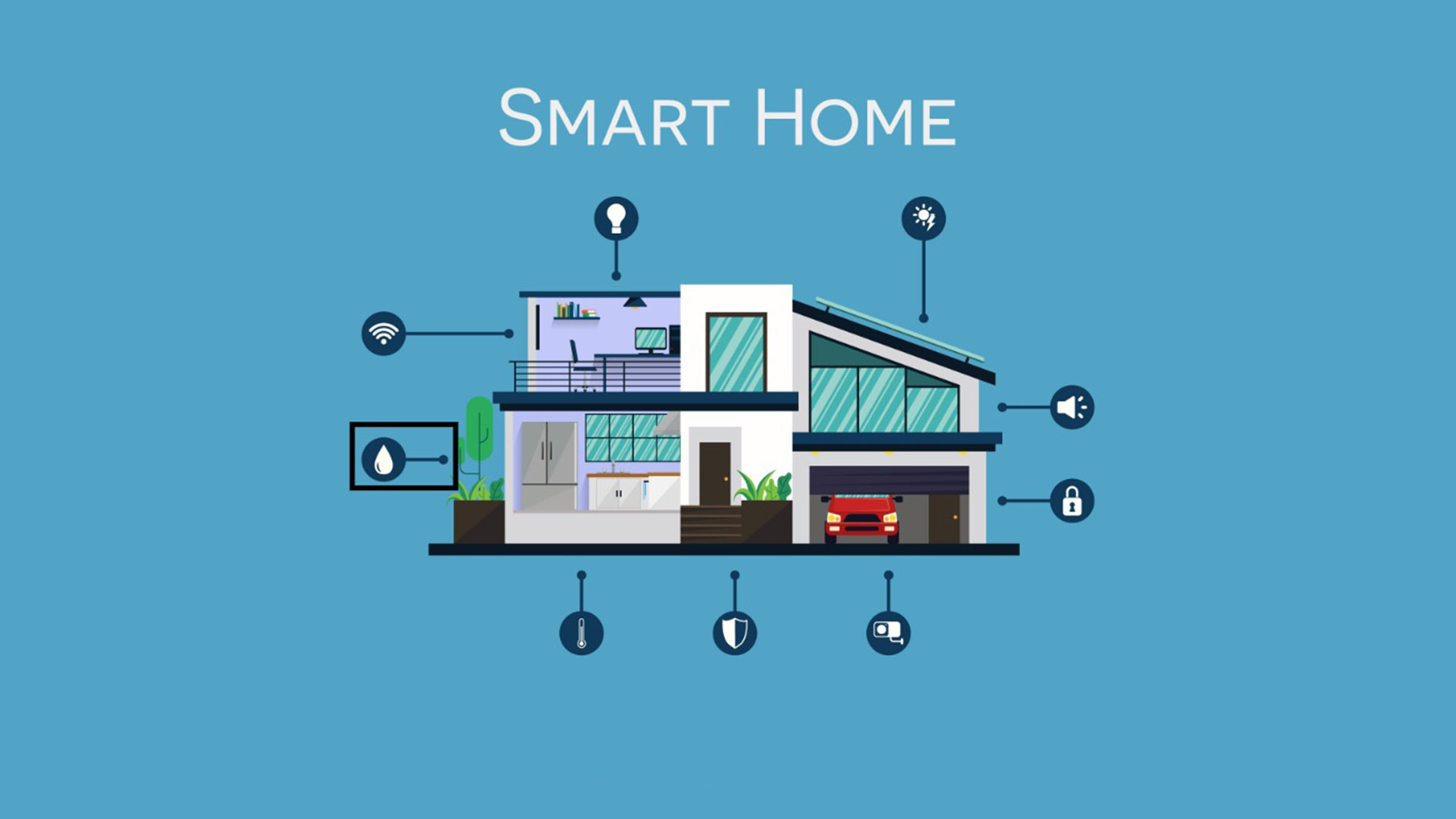
Smart homes bring many benefits that improve daily living. They combine technology with home design to make life easier and more efficient. These homes adapt to your needs and save time and effort. Smart home features offer advantages in comfort, energy use, security, and even property value.
Enhancing Convenience And Comfort
Smart homes automate many tasks. Lights, thermostats, and appliances adjust automatically. You control devices with your voice or phone. This means less manual work and more relaxation. Smart systems learn your preferences and create a comfortable environment.
Boosting Energy Efficiency
Smart homes help save energy by optimizing usage. Thermostats adjust temperatures based on your schedule. Lights turn off in empty rooms. Smart devices reduce waste and lower utility bills. This makes your home eco-friendly and cost-effective.
Improving Home Security
Smart security systems protect your home 24/7. Cameras, alarms, and sensors notify you of unusual activity. You can check your home remotely anytime. This adds peace of mind and keeps your family safe. Smart locks allow controlled access without keys.
Increasing Property Value
Homes with smart technology attract more buyers. Smart features are seen as modern and valuable. They make your property stand out in the market. Investing in smart design can increase resale price. Buyers appreciate homes that offer convenience and security.
Credit: amazingarchitecture.com
Essential Smart Devices
Essential smart devices form the heart of any smart home design. These tools make daily tasks easier and improve home comfort. A well-chosen set of smart devices can boost energy efficiency and home security. This section highlights key devices to consider for a smart home setup.
Smart Lighting Solutions
Smart lighting allows control of lights from smartphones or voice commands. You can dim, brighten, or change colors easily. Scheduled lighting helps save energy and creates moods for different times. Motion sensors can turn lights on and off automatically. These features add convenience and style to any room.
Automated Climate Control
Smart thermostats learn your schedule and adjust temperatures accordingly. They help reduce energy waste by heating or cooling only when needed. Remote control lets you change settings from anywhere. Some models track humidity and air quality for healthier living. Automated climate control keeps your home comfortable year-round.
Voice Assistants And Hubs
Voice assistants act as central controllers for smart devices. You can ask them to play music, set timers, or control lights. Smart hubs connect different devices, making them work together smoothly. They simplify managing multiple gadgets with one app or voice command. These assistants bring hands-free convenience to your home.
Security Cameras And Sensors
Smart cameras monitor your home and send alerts for unusual activity. Sensors detect doors or windows opening and trigger alarms. Some systems include smoke and carbon monoxide detectors. Real-time video feeds allow you to check your home remotely. These devices enhance safety and give peace of mind.
Smart Appliances
Smart appliances include refrigerators, ovens, and washing machines with connectivity features. They offer remote control and status updates on your phone. Some appliances optimize energy use and provide maintenance alerts. They improve household efficiency and simplify chores. Integrating these appliances completes a modern smart home.
Designing Your Smart Space
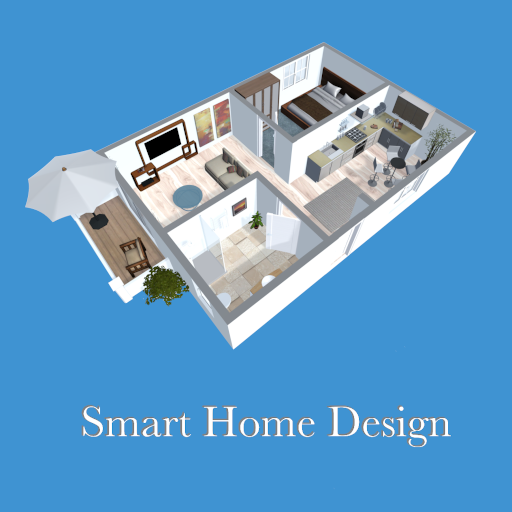
Designing your smart space transforms your home into a modern, efficient environment. Thoughtful planning creates a space that feels natural and comfortable. Smart technology should blend with your lifestyle and home design. Focus on easy use and strong connections. This section explores how to design a smart space that works for you.
Integrating Technology Seamlessly
Technology should fit your home’s style without standing out. Choose devices that match your decor and color scheme. Hide wires and sensors for a clean look. Use smart lighting that enhances room moods. Select gadgets that work quietly in the background. The goal is a space where technology feels like part of the home.
Planning For Connectivity
Strong internet is the backbone of a smart home. Place routers where signals reach every room. Consider mesh Wi-Fi for larger houses. Plan for wired connections in key spots to avoid dropouts. Check that all devices support your network type. Reliable connectivity keeps your smart home running smoothly all day.
Choosing User-friendly Interfaces
Simple controls make smart homes enjoyable. Use touchscreens or voice assistants with clear commands. Choose apps with easy navigation and quick responses. Ensure controls are accessible for all family members. Avoid complicated setups that confuse users. The best interfaces feel natural and reduce frustration.
Creating A Central Control System
A central hub manages all smart devices in one place. It saves time by reducing the need to open many apps. Pick a system compatible with most gadgets in your home. Set up routines that automate daily tasks. For example, lights dim and locks activate when you leave. Central control turns a collection of devices into a true smart home.
Innovative Tech Trends
Innovative technology is shaping the future of smart home design. These trends make homes smarter, safer, and more energy-efficient. They bring convenience and comfort to daily life. Each new tech trend adds unique features to modern homes. Understanding these trends helps in creating a smarter living space.
Ai-powered Automation
AI-powered automation adapts to your daily routines. It learns your habits and adjusts settings automatically. Lights, temperature, and security respond without manual control. Voice assistants make interaction easy and natural. AI saves time and improves home efficiency.
Iot And Device Interoperability
IoT connects all smart devices in one network. Devices communicate and work together seamlessly. This interoperability creates a unified smart home experience. You can control many devices from a single app. It simplifies management and enhances convenience.
Energy Management Systems
Energy management systems monitor and control power use. They track consumption and suggest ways to save energy. Smart thermostats adjust heating and cooling to reduce waste. Solar panels and battery storage integrate for efficiency. These systems lower bills and support green living.
Advanced Audio-visual Integration
Advanced audio-visual systems bring immersive entertainment to your home. Multi-room speakers offer consistent sound quality everywhere. Smart TVs and projectors connect with other devices easily. Voice commands control media playback without lifting a finger. These setups enhance relaxation and family time.
Smart Home Setup Tips
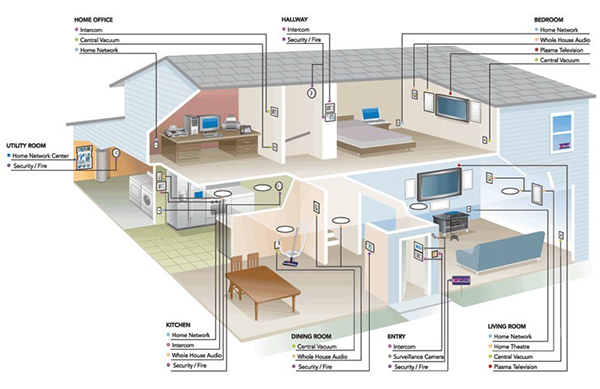
Setting up a smart home can feel overwhelming at first. Simple steps help create a system that grows with your needs. Smart home setup tips guide you through building a connected, efficient space. Focus on starting small, securing your devices, reliable network setup, and customizing for your lifestyle. Each step builds a solid foundation for your smart home journey.
Starting Small And Scaling Up
Begin with a few basic devices. Choose smart bulbs, plugs, or a voice assistant. Test how these tools fit your daily routine. Learn how they work before adding more devices. Gradually expand your system to cover security, climate control, and entertainment. Scaling up keeps costs low and avoids confusion.
Prioritizing Security Measures
Secure your smart home from the start. Change default passwords on all devices. Use strong, unique passwords for every account. Enable two-factor authentication when possible. Keep devices updated with the latest software. Protect your home network to block unwanted access.
Ensuring Reliable Network Infrastructure
Strong Wi-Fi is key to a smart home. Place your router centrally in the house. Avoid walls and metal objects that block signals. Consider mesh networks for larger homes. Use wired connections for devices needing stable links. Reliable networks reduce delays and device dropouts.
Customizing For Lifestyle Needs
Design your smart home around daily habits. Automate lights to match your schedule. Set thermostats for comfort and energy savings. Use smart locks for keyless entry. Choose devices that simplify chores and enhance safety. Tailor your setup to fit your unique way of living.
Credit: www.cadpro.com
Challenges To Consider
Designing a smart home brings many benefits. It adds comfort and convenience. Yet, it also presents some challenges. Knowing these issues helps plan better. Smart home systems must work well together. Privacy must stay protected. Costs need careful control. Maintenance is ongoing and important. These factors shape every smart home project.
Compatibility Issues
Many devices come from different brands. They may not connect easily. Some use different communication protocols. This can cause devices to fail working together. Choosing products that follow common standards helps. Checking compatibility before buying saves time and money.
Privacy Concerns
Smart homes collect lots of personal data. This data can include habits and schedules. If hacked, it may expose private information. Strong passwords and encryption protect data. Users should control what information is shared. Privacy policies of devices need review.
Cost And Budgeting
Smart home technology can be expensive. Devices, installation, and setup add to costs. Budgeting for future upgrades is important. Cheaper devices may lack features or reliability. Planning purchases in stages eases financial pressure. Consider long-term savings from energy efficiency.
Maintenance And Updates
Smart devices need regular updates. Updates fix bugs and improve security. Ignoring updates risks system failures and breaches. Some devices may stop working after updates. Maintenance may require technical skills. Planning for support and troubleshooting is wise.
Future Of Smart Living
The future of smart living promises homes that adapt and respond to daily life. Smart home design will blend technology and comfort seamlessly. Homes will become more intuitive, efficient, and connected than ever before.
Advances will make smart living easier and more accessible. The focus shifts beyond convenience to include energy savings and community integration. Experiences at home will evolve to match changing needs and technologies.
Emerging Technologies
New devices will enhance automation and control in homes. Artificial intelligence will learn habits to optimize comfort and energy use. Voice and gesture controls will become more natural and responsive. Sensors will monitor health, safety, and environmental factors. These tools will make homes smarter and more helpful.
Sustainability Focus
Smart homes will prioritize reducing energy waste and carbon footprints. Solar panels, energy storage, and efficient appliances will work together. Systems will adjust lighting, heating, and cooling based on real-time needs. Water conservation technologies will become standard. Sustainable design will save money and protect the planet.
Integration With Smart Cities
Homes will connect with wider city networks for better services. Traffic, utilities, and emergency systems will communicate with smart homes. This integration will improve safety, reduce costs, and increase convenience. Residents will benefit from coordinated energy use and shared resources. The line between home and city will blur.
Evolving User Experiences
Interfaces will be simpler and more personalized. Homes will anticipate needs without constant commands. Virtual and augmented reality will add new interaction layers. Accessibility features will help all users control their environment. The focus will be on comfort, security, and ease for every resident.
Credit: kemper-apps.com
Conclusion
Smart home design makes daily life easier and more comfortable. It blends technology with simple living spaces. You control your home from anywhere, anytime. Energy savings and security improve with smart devices. Start small and add features over time. Choose designs that fit your lifestyle and needs.
Smart homes offer convenience without complexity. Embrace technology to create a cozy, efficient home.
No responses yet