
When you think about your outdoor space, do you imagine a vibrant garden, a peaceful retreat, or a lively place for gatherings? Designing the landscape is your chance to turn that vision into reality.
It’s not just about planting flowers or laying grass—it’s about creating an environment that reflects your style and meets your needs. Whether you want a low-maintenance yard or a lush paradise, the right design can make all the difference. You’ll discover simple yet powerful steps to help you shape your landscape with confidence, making every corner of your outdoor area inviting and beautiful.
Ready to transform your space? Let’s dive into the essentials of designing the landscape that’s perfect for you.
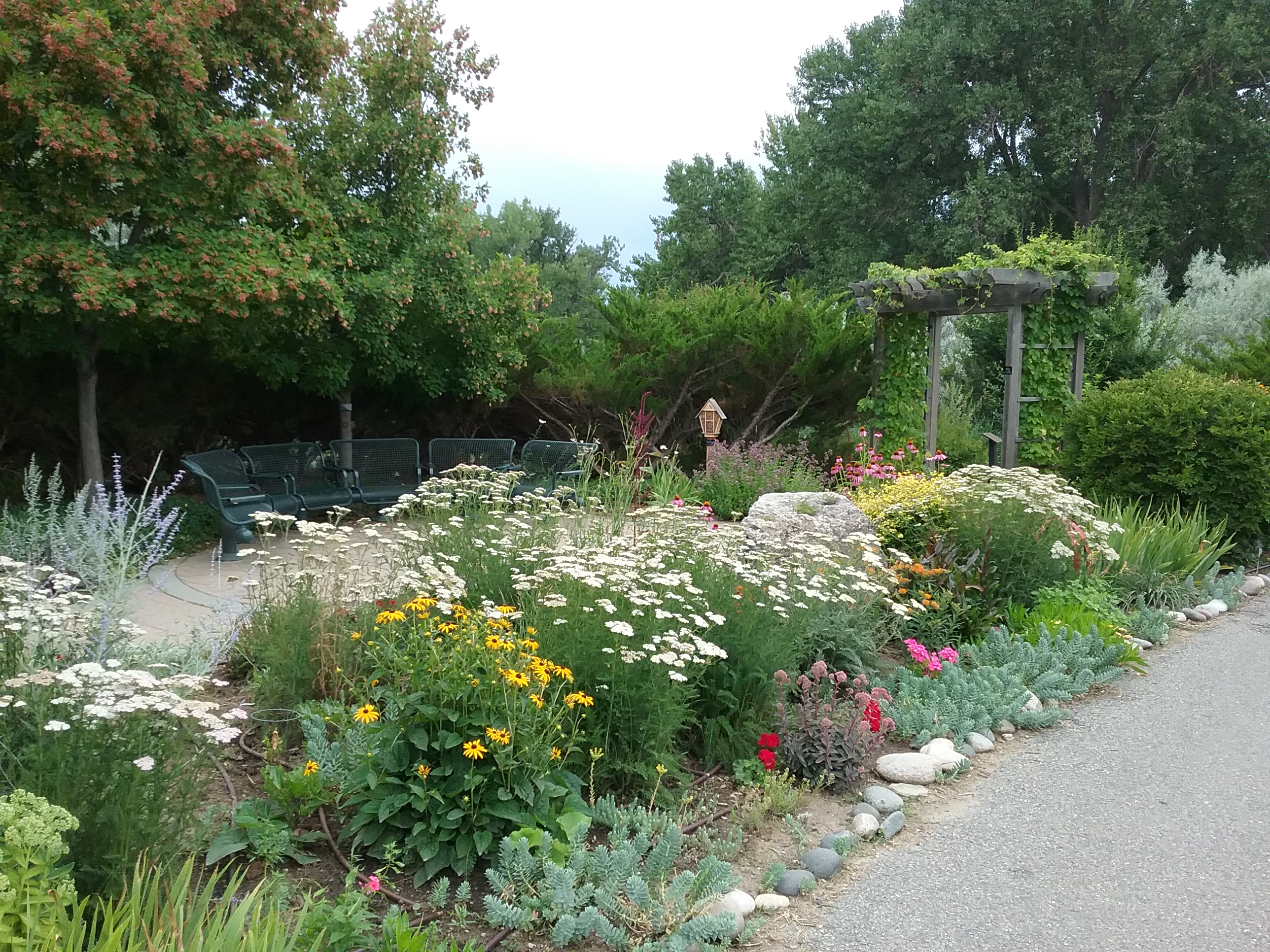
Credit: extension.umn.edu
Planning Your Landscape
Planning your landscape sets the foundation for a beautiful outdoor space. Thoughtful planning helps you create a design that fits your needs and style. It saves time, money, and effort during the project.
Start by defining your goals and priorities. Understand your space well and consider your budget carefully. These steps guide your decisions and ensure a successful landscape design.
Setting Goals And Priorities
Decide what you want from your landscape. Is it a relaxing garden, a play area, or a space for entertaining? List your top priorities to focus your design. Clear goals help you choose the right plants, features, and layout.
Assessing Your Space
Measure your yard and note its shape and size. Observe sunlight, shade, and soil type. Identify existing plants and structures to keep or remove. Understanding your space lets you plan better and avoid surprises.
Budget Considerations
Determine how much money you can spend on landscaping. Include costs for plants, materials, tools, and labor. Plan for extra expenses or future additions. Sticking to a budget keeps the project manageable and stress-free.
Design Principles
Design principles are the foundation of any successful landscape project. They guide how elements like plants, paths, and structures come together. These principles ensure the space looks pleasing and works well. Good design creates harmony and balance, making the outdoor area inviting and functional.
Balance And Symmetry
Balance means arranging elements so no side feels heavier than the other. Symmetry creates a mirror image on both sides. It gives a formal and orderly look. Asymmetrical balance uses different objects but keeps visual weight equal. This style feels more natural and relaxed.
Focal Points And Flow
Focal points draw attention to a special feature like a tree or sculpture. They give the eyes a place to rest. Flow guides visitors through the landscape smoothly. Paths and plant placement help direct movement. Good flow connects different areas and keeps the space interesting.
The Rule Of Thirds In Design
The rule of thirds divides the space into nine equal parts. Place key elements along these lines or where they intersect. This creates natural balance and makes the design more engaging. Avoid centering everything for a dull look. Using this rule adds energy and harmony to the landscape.
Choosing Elements
Choosing the right elements shapes the soul of your landscape. Each component serves a purpose and adds charm. Thoughtful selection brings balance and beauty to your outdoor space.
Hardscape Features
Hardscape forms the foundation of your landscape design. Paths, patios, and walls create structure and guide movement. Use natural stone or concrete for durability. Choose colors and textures that blend with your home. Hardscape anchors the garden and adds lasting appeal.
Plant Selection
Plants bring life and color to your landscape. Pick species that thrive in your local climate. Mix trees, shrubs, and flowers for variety. Consider bloom times to keep your garden lively year-round. Native plants require less water and care. Proper plant choices improve beauty and sustainability.
Water Features And Lighting
Water features add calm and interest to any garden. Small fountains or ponds create soothing sounds. Lighting highlights paths and key plants after dark. Use soft, warm lights for a cozy atmosphere. Both water and lighting increase safety and extend outdoor use.

Credit: www.hgtv.com
Soil And Irrigation
Soil and irrigation are the foundation of any successful landscape design. Healthy soil supports strong plant growth. Proper irrigation keeps plants hydrated without wasting water. Together, they ensure a vibrant and sustainable landscape.
Preparing Healthy Soil
Start by testing the soil to understand its condition. Add organic matter like compost to improve texture and nutrients. Loosen compacted soil to help roots grow easily. Healthy soil drains well and holds moisture. It creates a perfect environment for plants.
Efficient Irrigation Systems
Choose irrigation systems that deliver water directly to plant roots. Drip irrigation and soaker hoses reduce evaporation and runoff. Timers help water plants at the best times of day. Efficient systems save water and keep plants healthy. They also reduce your water bills.
Water Conservation Tips
Water plants early in the morning or late in the evening. Use mulch to keep soil moist and reduce evaporation. Group plants with similar water needs together. Capture rainwater using barrels to water your garden naturally. These tips help conserve water and protect the environment.
Installation Process
The installation process is a crucial step in bringing your landscape design to life. It involves careful work to ensure each element fits perfectly. Proper installation guarantees a lasting, beautiful outdoor space. The process includes several stages, each important for a successful outcome.
Clearing And Preparing The Site
Start by removing all unwanted plants, rocks, and debris. Level the ground to create a smooth surface. Check soil quality and improve it if needed. Proper site preparation helps plants grow strong and keeps structures stable.
Installing Hardscape Elements
Place features like patios, walkways, and retaining walls next. Use quality materials and follow the design plan exactly. Ensure each piece is secure and level. Hardscape elements add structure and style to your landscape.
Planting And Mulching
Plant trees, shrubs, and flowers according to the design. Dig holes twice as wide as the root ball. Water plants deeply after planting. Apply mulch around plants to keep moisture and reduce weeds. Mulching also improves soil health and appearance.
Maintenance Tips
Maintaining a beautiful landscape requires regular attention and care. Proper maintenance helps plants stay healthy and vibrant. It also keeps your outdoor space neat and inviting. Follow simple tips for seasonal care, pest and weed control, and long-term upkeep.
Seasonal Care
Adjust your care routine according to the seasons. In spring, prune dead branches and prepare soil for planting. Summer calls for regular watering and mulching to keep moisture in the soil. In fall, rake leaves and protect plants from cold weather. Winter care includes clearing debris and avoiding heavy foot traffic on frozen areas.
Pest And Weed Management
Watch for signs of pests and weeds regularly. Remove weeds by hand or use safe herbicides. Use natural pest control methods like introducing beneficial insects. Avoid overusing chemicals to protect your plants and the environment. Early detection helps prevent damage and keeps your landscape healthy.
Long-term Upkeep
Plan for steady care to keep your landscape thriving. Fertilize plants as needed to provide nutrients. Replace or add plants to fill gaps and maintain balance. Check irrigation systems to ensure efficient watering. Regularly clean pathways and hardscape features to preserve their look and function.
Diy Vs Professional Help
Deciding between doing your own landscape design or hiring a professional can be challenging. Both choices have pros and cons. Understanding when to get expert help or rely on DIY efforts can save time and money. This section explores key points to consider in your landscape project.
When To Hire Experts
Hire professionals for complex landscape projects. Large areas with difficult terrain need expert planning. Professionals bring experience in plant selection and soil management. They handle permits and local regulations efficiently. Experts can offer creative solutions that fit your style. Choose help if you want a polished and lasting design.
Tools And Resources For Diy
Many tools make DIY landscape design easier. Use design apps to visualize your ideas clearly. Gardening tools like shovels and pruners are essential. Local nurseries provide advice on plants suited to your area. Online tutorials and forums offer step-by-step guidance. DIY lets you work at your own pace and budget.
Collaborating With Designers
Combining your ideas with a designer’s expertise creates great results. Share your vision and budget openly with the designer. They can suggest practical features and materials. Regular communication ensures the project matches your expectations. Collaboration blends creativity and skill, making your landscape unique. This approach suits those wanting control with expert support.
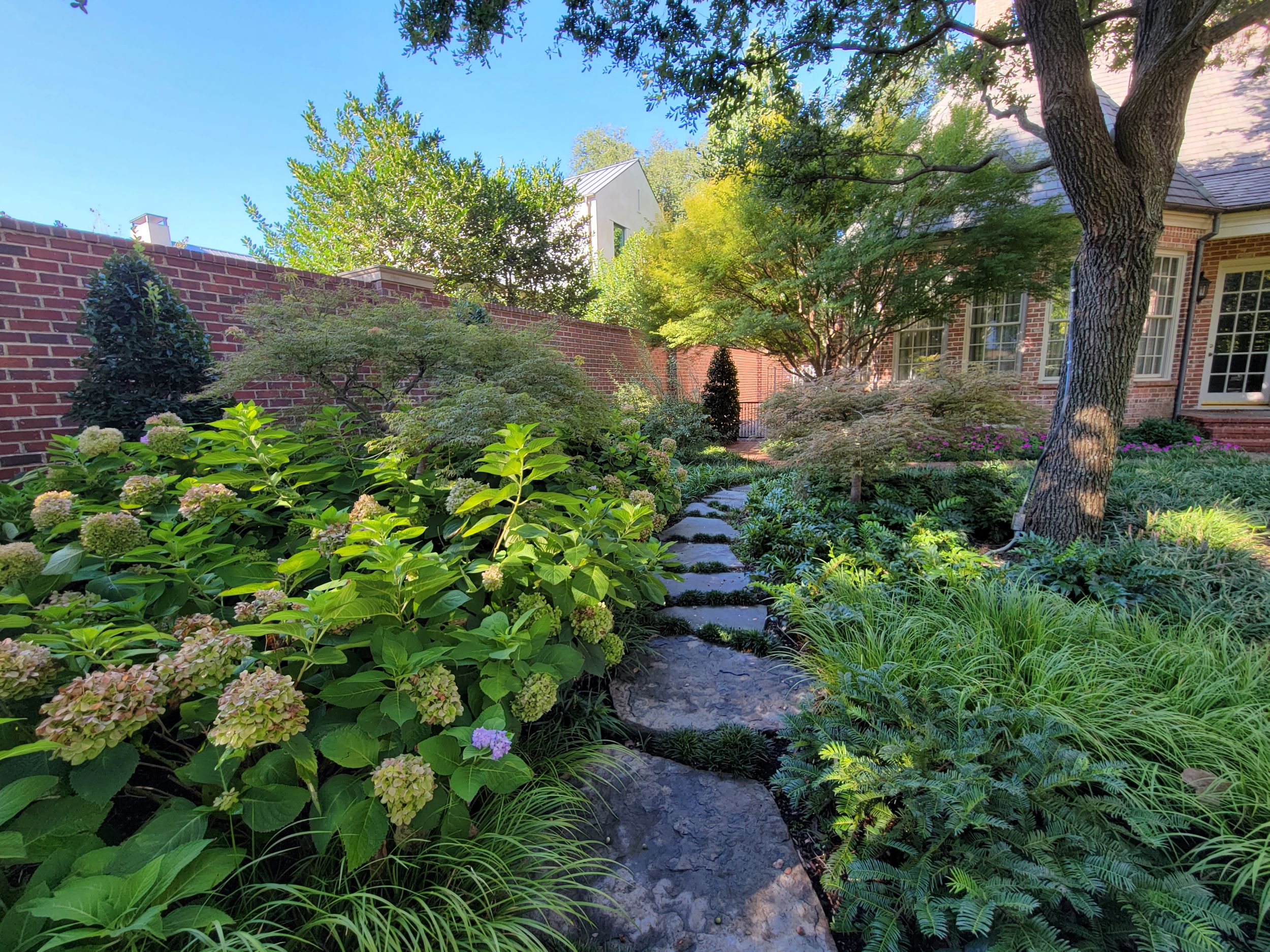
Credit: southernbotanical.com
Inspiration And Trends
Designing the landscape begins with finding inspiration and understanding current trends. These elements shape the way outdoor spaces come to life. They help create areas that feel fresh and inviting. Exploring styles, sustainability, and technology can spark new ideas for your project. This guide highlights key trends in Austin’s landscape design scene.
Popular Styles In Austin
Austin’s landscape style blends natural beauty with modern touches. Native plants like bluebonnets and live oaks are common. They add local charm and require less water. Many designers use a mix of drought-tolerant plants and hardscape features. Clean lines and simple layouts create a relaxed, stylish look. Outdoor living areas with patios and fire pits are also popular. These styles fit Austin’s warm climate well.
Sustainable Landscaping Ideas
Water conservation is a top priority in Austin’s landscapes. Using rainwater harvesting systems helps reduce waste. Mulching retains soil moisture and keeps plants healthy. Choosing native plants lowers the need for fertilizers and pesticides. Composting garden waste enriches the soil naturally. Sustainable landscaping saves money and protects the environment. It also creates a balanced ecosystem in your yard.
Incorporating Technology
Smart irrigation systems adjust watering based on weather data. They help prevent overwatering and save water. Outdoor lighting with solar power brightens pathways efficiently. Automated garden sensors monitor soil moisture and nutrient levels. These tools make garden care easier and more precise. Technology enhances beauty and function in modern landscapes.
Conclusion
Designing the landscape transforms any outdoor space into something special. Simple planning helps create beauty and function together. Choose plants, paths, and features that suit your style. Small changes can make a big difference in your yard. Enjoy the process and watch your vision grow.
A well-designed landscape adds value and comfort to your home. Take time, be creative, and have fun outdoors.
No responses yet