
When it comes to designing your space, the colors you choose speak volumes about your mood and personality—even if you don’t realize it. Grey, often overlooked as dull or boring, actually holds a powerful place in interior design.
It’s more than just a neutral backdrop; it has the unique ability to bring balance, calm, and sophistication to any room. If you want your home to feel both stylish and serene, understanding the psychology behind grey can change the way you see—and use—this versatile color.
Ready to discover how grey can transform your space and your mood? Keep reading to unlock the secrets of grey color psychology in interior design.
Gray’s Role In Interior Design
Gray plays a crucial role in interior design by offering a unique blend of neutrality and style. It acts as a versatile backdrop that can adapt to many moods and themes. Designers use gray to create spaces that feel balanced and calm. This color fits well with both modern and classic interiors, giving rooms a fresh yet timeless look.
Its subtle presence can highlight other colors or textures without overwhelming them. Gray’s ability to blend and support other design elements makes it a favorite choice for many projects. It can be soft and soothing or bold and dramatic, depending on the shade and application.
Versatility Across Styles
Gray fits into many design styles, from minimalist to rustic. It works well with bright colors and muted tones alike. This color can modernize traditional spaces or soften sharp edges in contemporary rooms. Its neutrality allows it to pair with almost any material, like wood, metal, or glass. Designers often choose gray to unify diverse elements and create harmony.
Creating Balance And Neutrality
Gray brings balance by sitting between black and white. It offers a calm, neutral base that soothes the eyes. This color helps reduce visual clutter and creates a peaceful atmosphere. Using gray can make a room feel more stable and grounded. It supports other colors and shapes without competing for attention.
Credit: finehomecontracting.com
Psychological Effects Of Gray
The psychological effects of gray in interior design reveal its unique ability to balance emotions. Gray acts as a neutral base that neither excites nor depresses. This color offers a quiet, reserved ambiance ideal for many spaces. Its subtle presence influences mood without overwhelming the senses.
Gray can calm the mind and create a peaceful environment. It also conveys a sense of reliability and steadiness. Understanding these effects helps in using gray effectively in rooms for relaxation or focus.
Calming And Soothing Qualities
Gray tones bring calmness to any interior space. The softness of light gray helps reduce stress and anxiety. This color mimics quiet moments and restful states of mind. It is perfect for bedrooms and living rooms where relaxation is key. The soothing nature of gray makes it easy to unwind. It does not demand attention, allowing other elements to shine. Using gray can create a serene and peaceful atmosphere.
Sense Of Stability And Composure
Gray symbolizes stability and composure in design. It stands between black and white, offering balance and fairness. This color suggests maturity and wisdom without being harsh. Gray’s neutrality provides a steady foundation for bold accents or patterns. It can make a space feel grounded and dependable. This quality suits offices or study areas where focus and calm are needed. Gray helps create environments that feel both strong and welcoming.
Emotional Range Of Gray
The emotional range of gray in interior design is wide and varied. Gray does not evoke one single feeling. Instead, it balances between emotions, offering both calm and complexity. This neutrality allows gray to fit many moods and spaces. The color can feel both warm and cool, inviting and reserved. Understanding these feelings helps in choosing the right shade for a room.
Positive Associations: Elegance And Wisdom
Gray often symbolizes elegance and wisdom in interior spaces. It suggests maturity and a sense of calm balance. Lighter shades of gray bring a soft, sophisticated touch. These tones make rooms feel peaceful and refined. Gray is timeless, adding a classic look without overwhelming the senses. It creates a quiet dignity that suits formal and modern designs alike. Using gray can signal intelligence and stability, much like silver or charcoal hues.
Negative Associations: Detachment And Gloom
Gray can sometimes feel cold and distant. Darker shades may bring a sense of gloom or sadness. It can suggest boredom or emotional detachment in a space. Too much gray risks making a room feel lifeless or dull. The color’s neutrality might come off as indecisiveness or lack of energy. These effects depend on the shade and how it is paired with other colors. Careful balance is needed to avoid creating a gloomy atmosphere.
Impact Of Different Gray Shades
Gray is a versatile color in interior design, offering various moods depending on its shade. Different gray tones influence how a space feels and functions. Choosing the right gray can shape the atmosphere of any room.
Light Gray For Tranquility
Light gray creates a calm and peaceful environment. It reflects natural light well, making rooms feel open and airy. This shade promotes relaxation and reduces stress. Perfect for bedrooms and living areas, light gray supports restful moods.
Dark Gray And Moodiness
Dark gray adds depth and a moody vibe to interiors. It can evoke seriousness or sophistication. This shade works well in spaces meant for focus or contemplation. Dark gray pairs beautifully with bright accents to balance its intensity.
Charcoal’s Dramatic Effect
Charcoal gray brings bold drama without overwhelming a room. It anchors design elements and highlights textures. This shade suits modern and industrial styles. Charcoal creates a strong visual impact while maintaining elegance.
Warmth In Greige Tones
Greige blends gray with beige, adding warmth and softness. It offers neutrality with a cozy feel. This shade fits well in living rooms and kitchens for inviting spaces. Greige tones make interiors feel balanced and welcoming.
Cultural Influences On Gray
Gray holds diverse meanings influenced by culture and tradition. Its role in interior design changes with cultural views. Understanding these differences helps create spaces that feel right for people from various backgrounds. This section explores how Western and Eastern cultures see gray in unique ways.
Western Perceptions And Mourning
In Western culture, gray often links to mourning and sadness. It represents dullness and loss in many traditions. People may choose gray for somber events or quiet moments. Yet, gray also symbolizes wisdom and maturity here. It suggests calmness and balance in home design. Many use gray to create a peaceful, neutral space. It helps soften strong colors and adds subtle depth.
Eastern Symbolism And Contrasts
Gray holds different meanings in Eastern cultures. It can symbolize humility and modesty, valued traits in many Asian societies. Unlike the West, gray is less tied to sadness. In some places, gray contrasts with brighter colors to show harmony. It often appears in minimalist design styles. This use reflects simplicity and balance. Gray helps create spaces that feel calm and focused. It supports meditation and quiet reflection.
Credit: kirii.decoratingden.com
Using Gray To Unlock Calm
Gray is a powerful color that creates a peaceful atmosphere in any room. Its soft, muted tones help ease the mind and reduce stress. Using gray in interior design brings balance and calm to busy lives. It acts as a quiet background that allows other colors and textures to shine. The color’s neutrality makes spaces feel stable and restful without overwhelming the senses.
Gray offers a soothing effect that supports relaxation. It is perfect for rooms where calmness is a priority. The shade you choose can influence the mood, from light and airy to deep and cozy. Gray’s subtlety helps create a space where you can unwind and recharge. It is a versatile color that fits both modern and classic interiors.
Ideal Spaces For Gray Tones
Gray works well in bedrooms because it promotes peace and rest. It helps slow down thoughts and prepares the mind for sleep. Living rooms also benefit from gray walls or furniture, setting a calm stage for family time or quiet moments. Bathrooms feel spa-like with soft gray tiles and fixtures, adding a touch of luxury. Even offices can use gray to reduce distractions and enhance focus.
Combining Gray With Other Colors
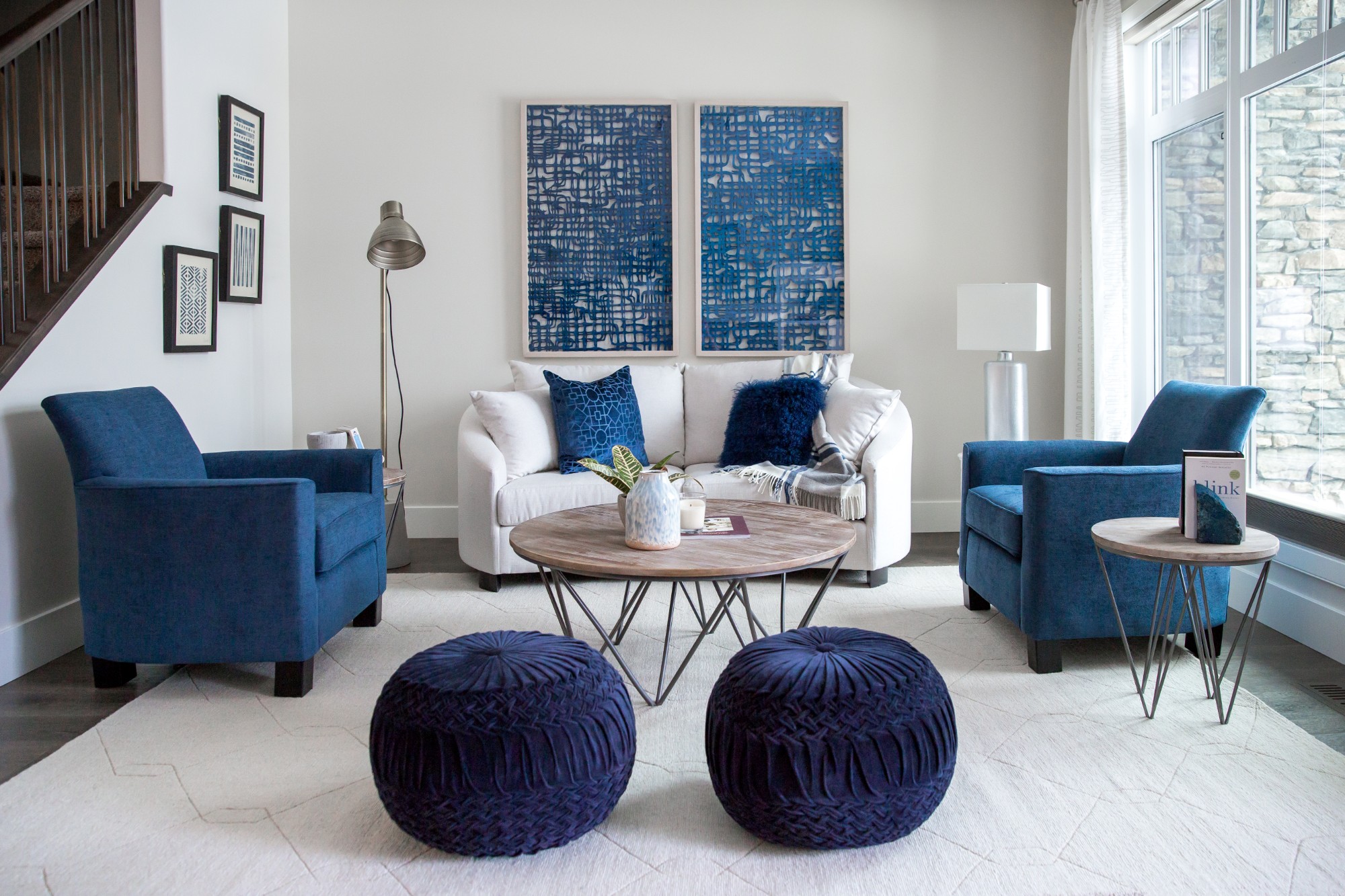
Pair gray with whites for a clean and fresh look. Soft pastels like blush or mint add warmth and a gentle touch. Bold colors such as navy blue or mustard yellow bring energy without overpowering the calmness of gray. Natural wood tones balance gray’s coolness, creating a cozy and inviting feel. Textures like velvet or linen enhance gray’s depth and make spaces more interesting.
Adding Elegance With Gray
Gray adds a timeless elegance to any interior space. It creates a calm, balanced atmosphere that feels both modern and classic. This color’s versatility allows it to blend well with other shades and styles. Using gray smartly can elevate a room’s sophistication without overwhelming it. It works beautifully as a background or a main color, offering depth and subtlety.
Textures And Finishes That Enhance Gray
Gray comes alive with the right textures and finishes. Matte gray walls feel soft and understated. Glossy finishes add a sleek, polished look that catches light. Velvet and suede fabrics in gray create a rich, cozy feel. Rough textures like concrete or stone bring an industrial edge. Mixing smooth and textured surfaces gives gray more dimension. This variety keeps gray interesting and elegant.
Gray In Modern And Classic Interiors
Gray fits perfectly in both modern and classic designs. In modern spaces, it pairs well with clean lines and minimal decor. Cool gray tones highlight simplicity and order. Classic interiors benefit from warmer gray shades that add warmth and depth. Gray works well with wood, brass, and soft fabrics in traditional rooms. It balances bold patterns and rich colors without clashing. This color bridges styles, making it a timeless choice.
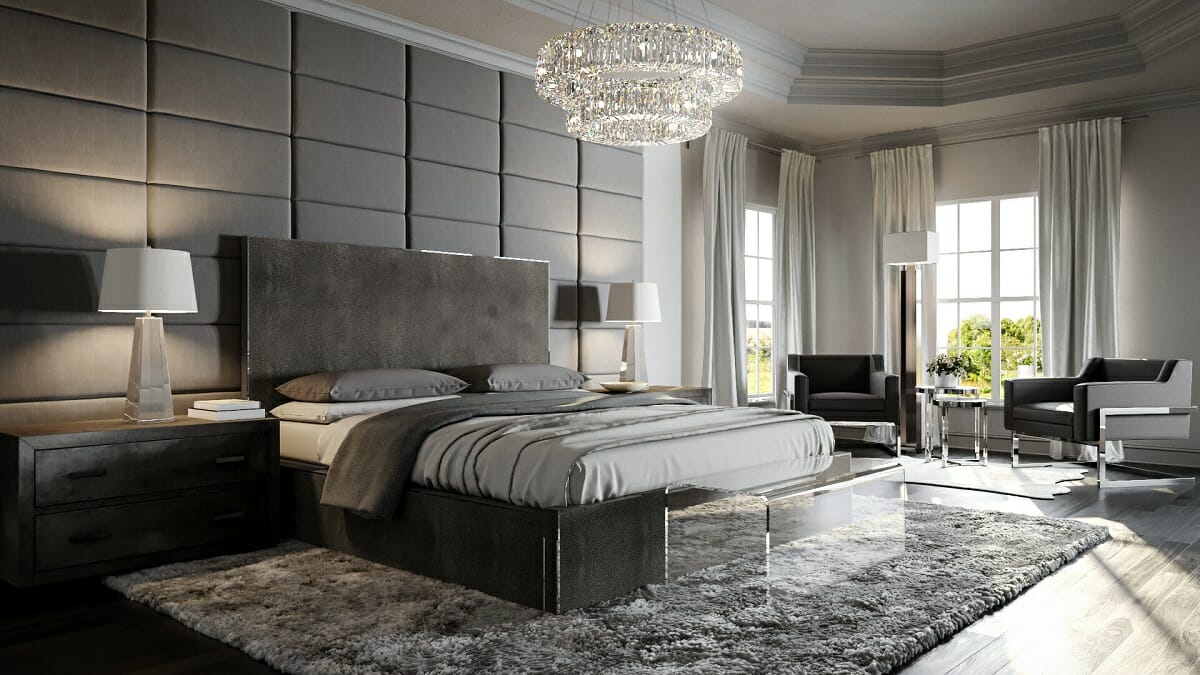
Credit: spacearc.xyz
Conclusion
Grey color plays a unique role in interior design. It brings calmness and balance to any space. Light gray shades create a peaceful and relaxing atmosphere. Darker grays add depth and a touch of drama. Grey also suggests sophistication and timeless elegance.
It acts as a perfect backdrop for other colors to shine. Choosing the right gray shade changes a room’s mood completely. Its versatility fits many styles and personal tastes. Understanding gray’s psychology helps design spaces that feel stable and inviting.
This neutral color truly offers endless creative possibilities.
No responses yet