
Have you ever walked into a room and instantly felt calm, energized, or even inspired? That’s not a coincidence—it’s the power of interior design psychology at work.
This fascinating field studies how the spaces around you influence your mood, behavior, and well-being. By understanding a few simple principles, you can transform your home into a place that truly supports your happiness and productivity. Ready to discover how colors, shapes, and layouts affect your mind—and how to use that knowledge to create a space you love?
Keep reading to unlock the secrets of interior design psychology and make your environment work for you.
Mood And Space
The mood of a room shapes how we feel inside it. Space affects emotions deeply. Interior design psychology studies this connection. Understanding mood and space helps design places that feel right.
Colors, light, and furniture create emotional responses. The way a space looks can calm or energize us. Every design choice sends a message to the mind. This section explores how interiors influence mood and atmosphere.
Emotional Impact Of Interiors
Colors play a big role in mood. Blue tones calm the mind and reduce stress. Warm colors like red or orange increase energy and excitement. The layout of furniture affects comfort and flow. Crowded spaces can cause anxiety. Open spaces invite relaxation and ease.
Natural light boosts happiness and focus. Dim lighting may create a cozy or gloomy feel. Textures also add emotional depth. Soft fabrics feel comforting. Hard surfaces appear cold or formal. Combining these elements shapes feelings inside a room.
Creating Ambiance With Design
Ambiance sets the tone of a room. Lighting is key to creating ambiance. Bright light wakes us up. Soft light helps us unwind. Using layers of light adds warmth and interest.
Decor and accessories personalize space. Plants bring life and calmness. Artwork inspires thought and emotion. Grouping items in odd numbers, like three or five, feels natural and balanced. This creates a visually pleasing scene.
Colors, light, texture, and arrangement work together. Thoughtful design builds a mood that fits the room’s purpose. This makes interiors more than just decoration. They become places that support well-being.
Credit: www.swatchbox.com
Color Effects
Colors influence our mood and behavior in any space. Choosing the right color can create comfort, energy, or calmness. Interior design psychology studies these effects to improve how we feel indoors.
Understanding color effects helps to design rooms that support specific emotions. It guides the use of warm and cool tones and the psychology behind room colors.
Warm Vs Cool Tones
Warm tones include reds, oranges, and yellows. These colors create energy and excitement. They make rooms feel cozy and inviting.
Cool tones consist of blues, greens, and purples. These colors bring calm and relaxation. They make spaces feel open and refreshing.
Choosing between warm and cool depends on the room’s purpose. Warm tones suit social areas. Cool tones fit quiet, restful spaces.
Color Psychology In Rooms
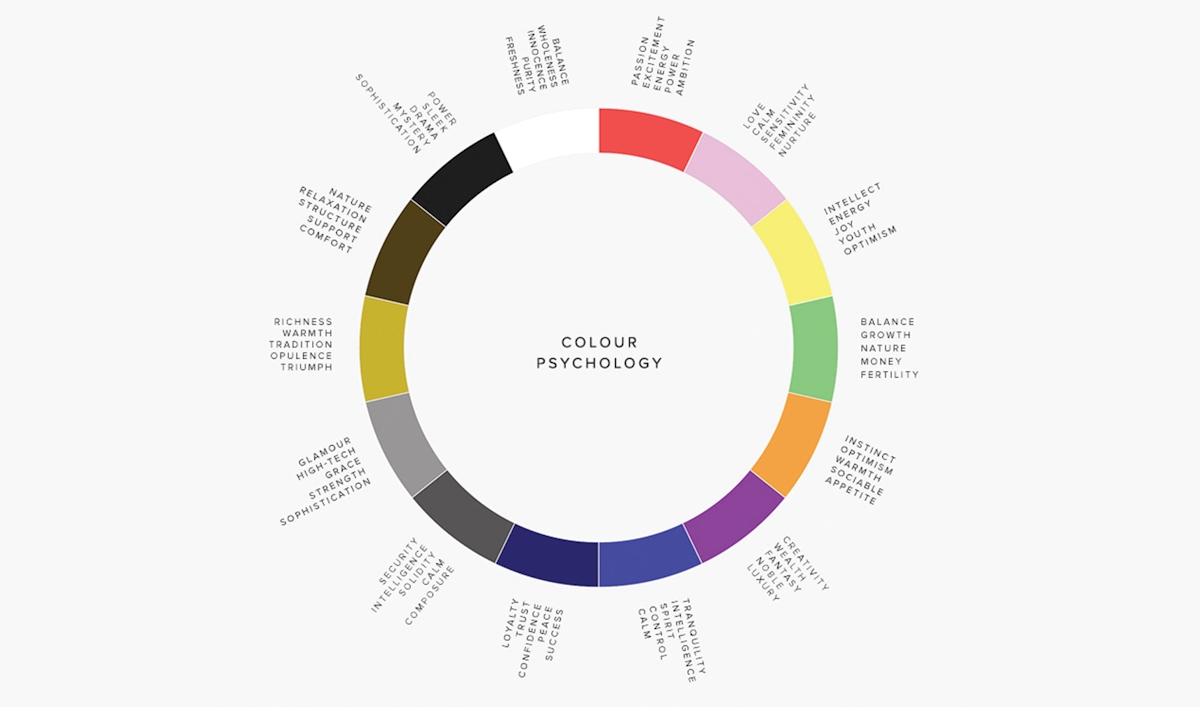
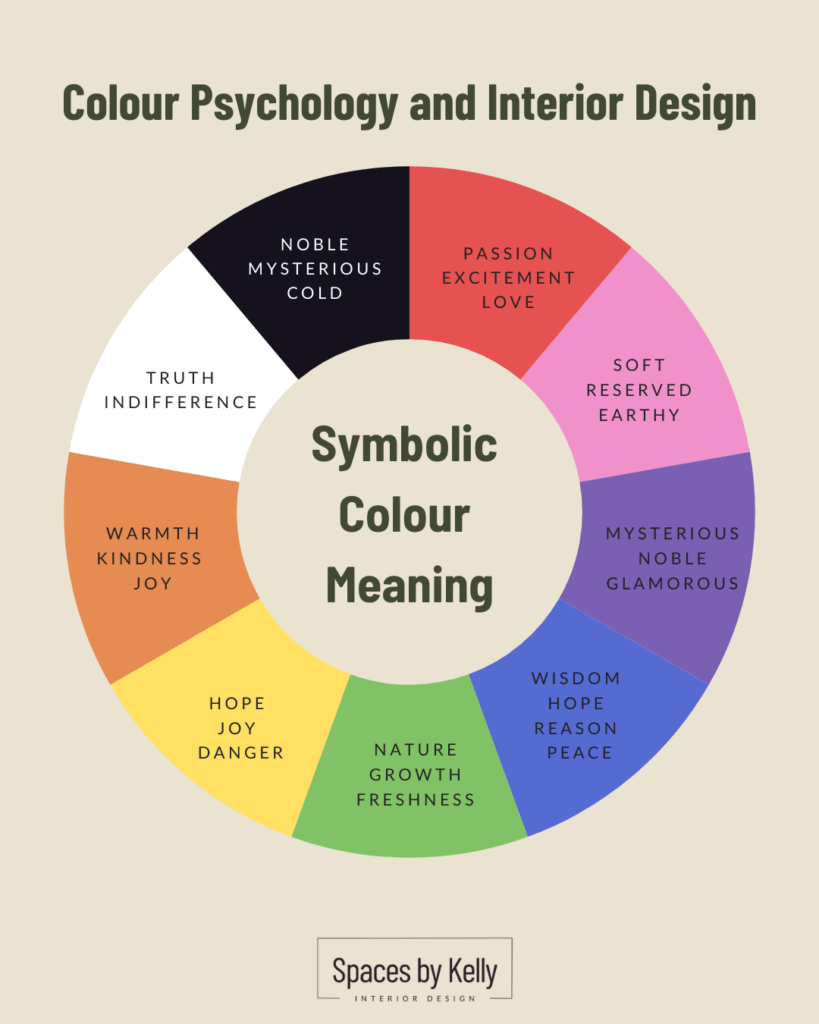
Red can raise energy but may cause restlessness in large amounts. Blue promotes focus and calm, perfect for bedrooms or offices. Yellow lifts mood and inspires creativity, great for kitchens or studios.
Green reduces anxiety and balances emotions. It works well in living rooms and bathrooms. Purple adds luxury and creativity but can feel heavy if overused.
Neutral colors like white, gray, and beige create a clean, balanced backdrop. They support other colors and keep spaces feeling open and simple.
Lighting Influence
Lighting plays a key role in how we feel inside a space. It affects our mood, energy, and even productivity. Understanding lighting influence helps create interiors that support well-being. Both natural and artificial light impact our psychology differently. Designing with light in mind can transform any room into a comforting or inspiring place.
Natural Light Benefits
Natural light improves mood and reduces stress. Sunlight helps the body produce vitamin D, which boosts happiness. Rooms filled with daylight feel open and welcoming. Exposure to natural light regulates our sleep patterns. This makes us feel more rested and alert during the day. Spaces with good sunlight encourage social interaction and creativity. Using large windows or skylights can maximize natural light inside. Plants also thrive better with sunlight, adding freshness to interiors.
Artificial Lighting And Mood
Artificial lighting sets the tone after sunset or in low light areas. Warm light creates a cozy and relaxing atmosphere. Cool white light helps focus and alertness in workspaces. Dimmable lights allow control over brightness to match activities. Colored lights can influence emotions—blue calms while red energizes. Proper placement of lamps and fixtures avoids harsh shadows. Layering different light sources adds depth and comfort. Choosing the right bulbs and design supports both function and feeling.
Furniture And Layout
Furniture and layout shape how we experience any room. Thoughtful placement affects mood, behavior, and comfort. Choosing the right furniture and arranging it well creates spaces that feel inviting and balanced. Psychology plays a role in deciding where and how furniture fits best.
Flow And Movement
Clear paths help people move easily through a room. Crowded spaces cause stress and discomfort. Arrange furniture to allow smooth walking routes and avoid obstacles. Open layouts encourage socializing and relaxation. Proper spacing supports natural movement and good energy in a space.
Comfort And Functionality
Furniture must be comfortable and serve its purpose well. Chairs and sofas should invite relaxation without causing strain. Tables and storage need to be practical and accessible. Comfort influences mood and can reduce anxiety. Functional design supports daily activities and improves well-being.
Textures And Materials
Textures and materials play a vital role in interior design psychology. They influence how we feel in a space and affect our mood and comfort. Choosing the right textures and materials creates a sensory experience that shapes our behavior and emotions.
Combining different surfaces and finishes adds depth and interest. Soft, rough, smooth, or coarse textures can evoke different feelings. The choice of materials also impacts the atmosphere, making a room feel cozy, elegant, or vibrant.
Tactile Stimulation
Tactile stimulation comes from the touch and feel of surfaces. It connects us physically and emotionally to our surroundings. Textures like velvet, wool, or linen offer warmth and softness. They invite relaxation and calmness.
Hard textures, such as metal or glass, provide a sense of strength and clarity. They can energize a space and encourage focus. Mixing tactile elements balances comfort and alertness, enhancing the room’s overall mood.
Touch influences memory and mood. People often prefer spaces where textures feel pleasant and inviting. Designers use this knowledge to create environments that support well-being and positive feelings.
Natural Vs Synthetic Elements
Natural materials like wood, stone, and cotton connect us to nature. They bring warmth and a sense of peace into a room. Natural elements often have irregular textures, which add uniqueness and charm.
Synthetic materials, such as plastic, acrylic, or polyester, offer durability and easy maintenance. They can mimic natural textures but sometimes feel less warm or authentic. Synthetic surfaces often appear smoother and more uniform.
Blending natural and synthetic materials can create harmony. For example, a wooden table with a synthetic chair balances comfort and practicality. Choosing materials depends on the desired mood and function of the space.
Rule Of Odds
The Rule of Odds is a simple guideline in interior design psychology. It suggests grouping decor items in odd numbers like three, five, or seven. Odd-numbered groups create more dynamic and natural arrangements. They help spaces feel balanced without looking too perfect or staged. This rule taps into how our brains perceive visual harmony and interest.
Grouping Decor In Odd Numbers
Odd numbers like three or five add variety and movement to a space. Even numbers can feel too symmetrical and rigid. Grouping items in odd sets encourages the eye to explore the arrangement. It creates a natural rhythm that feels comfortable and inviting. Using odd numbers also allows mixing different shapes and sizes easily.
Visual Appeal And Balance
Odd groupings bring visual balance without strict symmetry. They offer enough variety to avoid monotony but keep harmony. The eye is drawn to the center piece and then moves around the other items. This keeps the viewer engaged and creates a pleasing flow. Odd numbers make decor feel effortless and relaxed, not forced or staged.
Practical Examples
Start with a large item like a vase or lamp as a foundation. Add two smaller items to form a group of three on a coffee table or shelf. For bigger spaces, increase the group to five or seven items. Mix heights, shapes, and textures for interest. For example, place a tall lamp, a medium plant, and three small books together. On a nightstand, try a lamp, a stack of books, and a small decorative dish. These simple groupings follow the Rule of Odds and enhance any room’s style.
Biophilic Design
Biophilic design brings nature into indoor spaces. It creates a strong connection between people and the natural world. This design approach uses natural elements to improve mood and wellbeing. It helps make rooms feel fresh, calming, and alive. Biophilic design is a key part of interior design psychology. It shapes how we feel and behave inside our homes and workplaces.
Incorporating Nature Indoors
Start with plants. They add color and life to any room. Use pots with different shapes and sizes for variety. Natural materials like wood, stone, and bamboo also help. Large windows invite sunlight and views of trees or gardens. Water features, such as small fountains, bring soothing sounds. Even nature-inspired patterns on fabrics and wallpapers work well. These simple touches make spaces feel more natural and welcoming.
Psychological Benefits
Biophilic design reduces stress and anxiety. It helps people relax and feel happier. Natural light boosts energy and focus. Being close to nature can improve creativity and problem-solving. It also supports better sleep by regulating our internal clocks. Spaces with plants and natural elements encourage social interaction. Overall, biophilic design promotes health, comfort, and productivity.
Personalization
Personalization in interior design psychology means tailoring spaces to match an individual’s unique personality and needs. It transforms a generic room into a meaningful environment. Personal touches create comfort, joy, and a sense of belonging. This approach shapes how people feel and behave in their spaces.
Reflecting Identity
Personalized interiors show who you are without saying a word. Colors, textures, and decor reveal your tastes and values. Choosing items with personal meaning adds depth to a room. It helps others understand your story. A space that reflects identity feels authentic and true.
Creating Emotional Connections
Personalization builds strong emotional ties with a space. Familiar objects and memories bring warmth and security. These connections reduce stress and boost happiness. A room filled with meaningful items encourages relaxation. It becomes a place where emotions thrive and grow.
Design Psychology Careers
Design psychology careers blend creativity and science. They focus on how space affects mood and behavior. Professionals in this field create environments that support well-being and productivity.
These careers suit those interested in both design and human behavior. They work with clients to design spaces that feel comfortable and functional. The goal is to improve everyday life through thoughtful design.
Educational Paths
Most design psychology careers require a degree in interior design or psychology. Some universities offer specialized programs combining both fields. Courses include environmental psychology, human factors, and design principles.
Internships and hands-on experience are valuable for learning practical skills. Certifications in interior design or related areas boost job prospects. Continuous learning helps professionals stay updated with trends and research.
Credit: www.luxdeco.com
Skills And Roles
Strong communication and empathy skills are essential. Professionals must understand client needs and translate them into design solutions. Analytical skills help in studying how spaces influence emotions and actions.
Roles include interior designer, environmental psychologist, and design consultant. Tasks range from planning layouts to selecting colors and materials. Each role focuses on creating spaces that promote comfort and positive feelings.
Teamwork is common, as projects often involve architects and contractors. Creativity, problem-solving, and attention to detail are daily requirements. These careers offer diverse opportunities to shape how people live and work.
Credit: www.spacesbykelly.com
Conclusion
Interior design psychology shows how spaces affect our feelings and actions. Colors, shapes, and layouts influence mood and comfort every day. Simple changes can create calm, energy, or focus in a room. Thoughtful design helps people feel happier and more relaxed at home.
Understanding these ideas can improve how you live and work indoors. Space matters—design it with your mind in mind.
No responses yet