

Imagine transforming your outdoor space into a vibrant, thriving environment that not only looks stunning but also helps protect the planet. What if your landscape could reduce water use, support local wildlife, and improve soil health—all while saving you time and money?
This is exactly what an eco-friendly landscape design technique can do for you. By working with nature instead of against it, you’ll create a beautiful yard that benefits both your home and the environment. Keep reading to discover a powerful landscape design method that makes this possible—and how you can easily apply it to your own space.

Related Article: Small Garden Ideas: Creative Tips to Maximize Your Space
Eco-friendly Landscape Basics
Eco-friendly landscape basics focus on creating outdoor spaces that help nature thrive. These techniques protect the environment and make your garden healthier. Simple steps can make a big difference.
Using native plants, reducing chemicals, and conserving water are key parts. This approach supports wildlife and keeps the soil rich. It also lowers the impact on natural resources.
Benefits For Biodiversity
Planting native flowers and trees invites local wildlife. Birds, bees, and butterflies find food and shelter. This helps keep ecosystems balanced and strong.
Diverse plants support different insects and animals. They create a natural habitat that boosts life around your home. Healthy biodiversity means a more vibrant and lively garden.
Improving Soil Health
Good soil holds water and nutrients better. Adding compost and organic matter feeds the soil naturally. This encourages beneficial microbes and worms to grow.
Avoiding harsh chemicals protects soil life. Healthy soil improves plant growth and reduces erosion. It creates a strong foundation for a lasting landscape.
Water Conservation Strategies
Using drip irrigation saves water by targeting roots only. Mulching helps keep soil moist and cool. Choosing drought-tolerant plants reduces the need for extra watering.
Collecting rainwater for your garden is another smart step. These methods lower water use and help the environment stay balanced.
Supporting Carbon Sequestration
Trees and plants absorb carbon dioxide from the air. They store carbon in their trunks, leaves, and roots. This process helps fight climate change by reducing greenhouse gases.
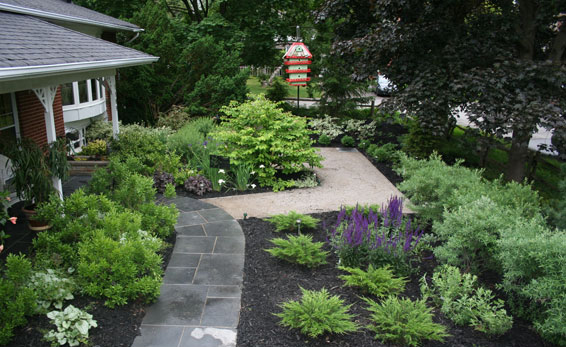
Adding more greenery to your landscape increases carbon capture. Healthy soil also traps carbon underground. Together, plants and soil work to clean the air.
Credit: www.epa.gov
Sustainable Plant Choices
Choosing the right plants plays a big role in eco-friendly landscape design. Sustainable plant choices reduce water use, support local wildlife, and improve soil health. They help create a garden that thrives naturally with less care and fewer chemicals. Selecting plants suited for the local climate and environment brings many benefits.
Native Plants Advantages
Native plants grow well in their natural areas. They need less water and fewer fertilizers. These plants support local insects and birds by providing food and shelter. Using native species helps keep the natural balance and protects biodiversity. They are often stronger and resist diseases better than non-native plants.
Drought-tolerant Species
Drought-tolerant plants survive with little water. They save water and reduce irrigation needs. These species thrive in dry conditions and hot climates. Choosing drought-resistant plants lowers your garden’s water footprint. They also reduce soil erosion and keep the landscape healthy during dry spells.
Attracting Pollinators And Wildlife
Plants that attract pollinators support bees, butterflies, and other insects. Pollinators help flowers and crops grow by spreading pollen. Including flowering plants of various shapes and colors invites diverse wildlife. Birds and beneficial insects find food and shelter in a well-planned garden. A lively, balanced ecosystem grows with these natural helpers.
Xeriscaping Techniques
Xeriscaping techniques focus on designing landscapes that save water and protect the environment. This method uses plants and materials that need less water and care. It helps reduce water waste and keeps the garden healthy. Xeriscaping is perfect for dry places and anyone wanting to lower their water bills. It creates beautiful, natural spaces that support local wildlife and soil health.
Water-wise Plant Selection
Choose plants that need little water and thrive in your climate. Native plants are often the best choice. They adapt well to local weather and soil. These plants reduce the need for extra watering and chemicals. Using drought-tolerant plants keeps your garden green with less effort. It also supports insects and birds that live nearby.
Mulching Benefits
Mulch covers the soil and keeps moisture from evaporating quickly. It helps control weeds that compete for water. Mulching also cools the soil and improves its quality over time. Organic mulches like wood chips or straw slowly break down and feed the soil. This creates a healthier environment for plants to grow strong and resist drought.
Efficient Irrigation Methods
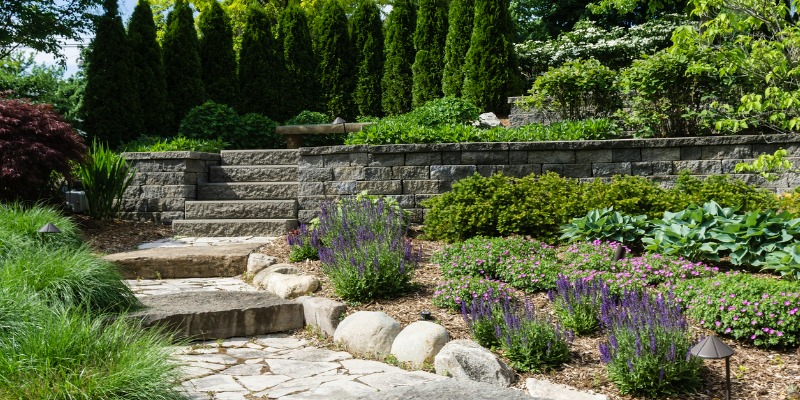
Use irrigation systems that deliver water directly to plant roots. Drip irrigation and soaker hoses save water by avoiding runoff and evaporation. Water plants early in the morning or late in the evening to reduce loss. Smart timers can help control watering times and amounts. Efficient irrigation keeps plants healthy while using less water overall.
Credit: www.naturallandscapegroup.com
Soil And Water Management
Soil and water management plays a vital role in eco-friendly landscape design. Proper techniques help conserve natural resources and protect the environment. These methods improve soil health and control water flow. This reduces damage to the land and supports plant growth.
Improving Soil Moisture Retention
Good soil holds water longer, reducing the need for frequent watering. Adding organic matter like compost boosts moisture retention. Mulching the soil surface also helps keep water in the ground. This creates a better environment for plants to thrive. Healthy soil stores water and nutrients effectively.
Reducing Runoff And Erosion
Runoff carries away valuable soil and pollutes nearby water bodies. Designing landscapes with gentle slopes slows down water flow. Planting ground covers and grasses anchors the soil in place. Terracing and using stone barriers can also reduce erosion. These steps protect the land and maintain its fertility.
Rainwater Harvesting Options
Collecting rainwater lowers demand on local water supplies. Rain barrels and cisterns store water for later use. Directing roof runoff into gardens helps irrigate plants naturally. Creating rain gardens absorbs excess water and filters pollutants. These systems make landscapes more sustainable and water-efficient.
Energy And Resource Efficiency
Energy and resource efficiency in landscape design helps protect the environment and lowers costs. Thoughtful design reduces water use, limits waste, and cuts energy needs. Every choice in a landscape can save resources and support a healthier planet. Simple changes make a big difference in how landscapes impact nature.
Minimizing Lawn Areas
Lawn areas need a lot of water, fertilizer, and mowing. Reducing lawn size lowers water use and cuts energy for maintenance. Replace grass with native plants, ground covers, or mulch to save resources. Smaller lawns also reduce chemical runoff and help protect local ecosystems.
Using Sustainable Materials
Choose materials that last long and come from natural sources. Recycled stone, wood from certified forests, and permeable pavers reduce environmental impact. Sustainable materials need less energy to produce and help manage rainwater on site. These choices reduce waste and keep landscapes eco-friendly.
Reducing Maintenance Needs
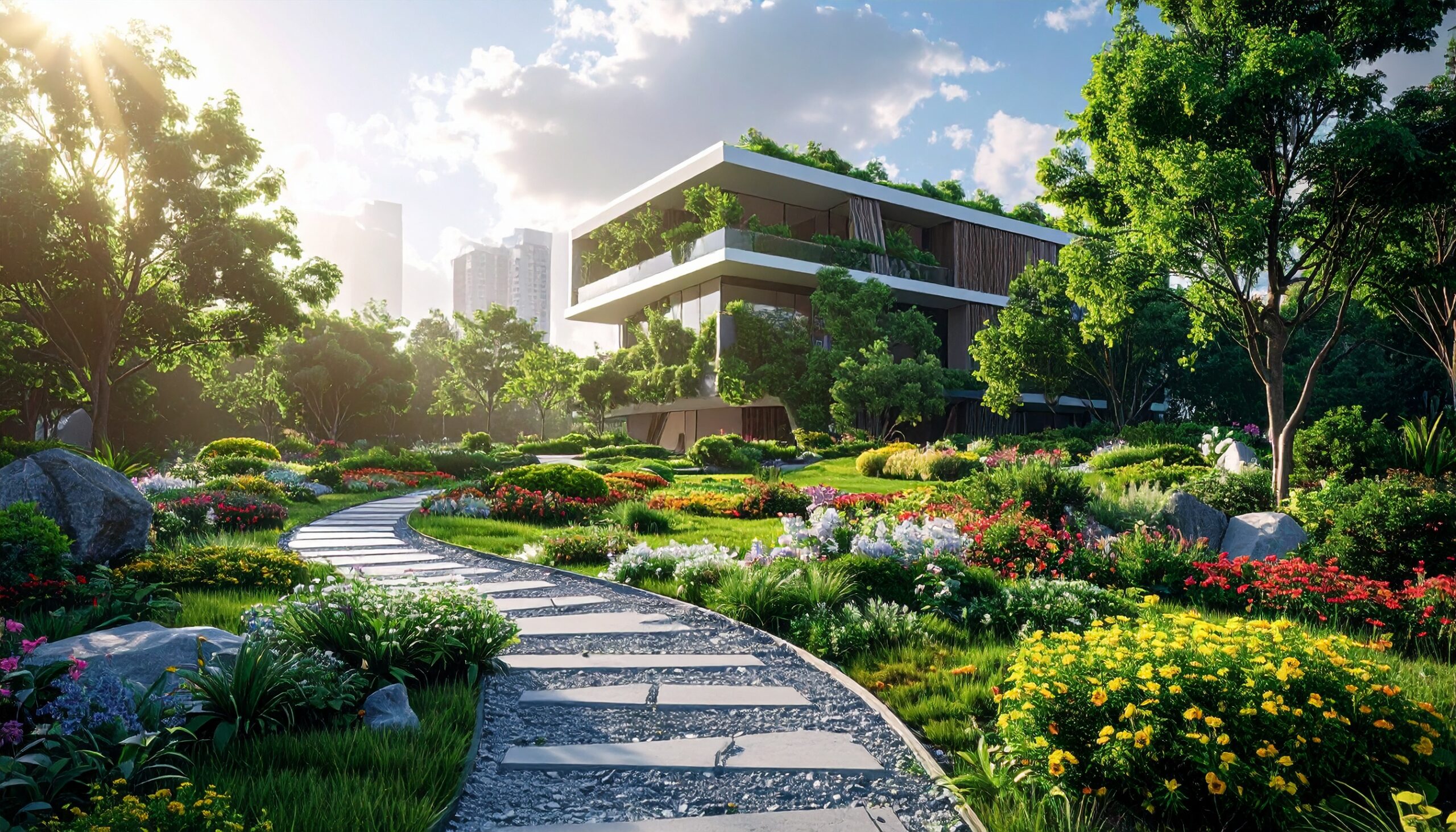
Design landscapes that need less care to save time and resources. Use drought-tolerant plants and group them by water needs. This lowers irrigation and fertilizer use. Avoid high-maintenance plants that require frequent pruning or chemicals. Less maintenance means fewer emissions and a healthier environment.
Credit: www.allseasons-landscape.com
Designing For Local Climate
Designing for the local climate is key to creating landscapes that thrive naturally. It reduces the need for extra water, fertilizers, and energy. This approach supports local wildlife and protects natural resources. Understanding local weather patterns and conditions helps in making smart planting and layout choices. It leads to a garden that stays healthy with less work and cost.
Adapting To Regional Conditions
Every region has unique weather and soil types. Choosing plants that naturally grow well in your area saves water and care. Native plants resist pests and diseases better. This reduces the need for chemical treatments. Also, using local materials for paths and structures keeps the landscape in harmony with its surroundings. It strengthens the natural balance and supports local ecosystems.
Seasonal Planting Strategies
Plan your garden with the seasons in mind. Select plants that bloom or bear fruit at different times. This keeps the landscape attractive year-round. Seasonal planting also supports pollinators and birds throughout the year. Rotate crops and plants to maintain soil health. This method avoids overuse of soil nutrients and reduces erosion.
Microclimate Considerations
Microclimates are small areas where conditions differ from the surrounding region. Factors like shade, wind, and moisture vary within a garden. Identify these spots to place plants best suited to each. For example, shade-loving plants go under trees. Windbreaks can protect delicate plants from strong gusts. Understanding microclimates helps create a resilient and diverse landscape.
Creating Wildlife Habitats
Creating wildlife habitats in your landscape design supports local ecosystems. It helps protect birds, pollinators, and small animals. Providing natural spaces encourages biodiversity and balances the environment. Such habitats also make your garden lively and vibrant.
Bird And Pollinator Gardens
Plant native flowers and shrubs that attract birds and pollinators. Choose plants with different bloom times for continuous food supply. Use bright colors to draw bees, butterflies, and hummingbirds. These gardens boost pollination, which benefits your entire landscape.
Shelter And Nesting Areas
Include trees, bushes, and tall grasses to offer shelter. Create safe nesting spots using birdhouses and brush piles. Natural shelters protect wildlife from predators and harsh weather. This encourages animals to stay and thrive in your space.
Avoiding Harmful Chemicals
Skip pesticides and herbicides that harm beneficial insects and animals. Use organic methods to control pests and weeds. Chemicals can poison wildlife and disrupt the food chain. A chemical-free garden creates a safer habitat for all creatures.
Practical Eco-friendly Tips
Practical eco-friendly tips help create landscapes that protect nature. These methods improve soil, save water, and reduce pollution. Using simple steps, anyone can build a garden that supports the environment and looks great.
Small actions add up to big changes. Focus on healthy soil, fewer chemicals, and smart plant choices. These tips work well for any garden size or style.
Composting And Soil Amendments
Composting turns kitchen scraps and yard waste into rich soil food. This natural process feeds plants with nutrients and improves soil structure. Healthy soil holds water better and reduces erosion. Adding compost lowers the need for synthetic fertilizers, which can harm the environment.
Using organic soil amendments boosts plant growth and soil life. Materials like mulch, manure, and leaf mold add organic matter. This encourages beneficial microbes and earthworms that keep soil healthy. Regular soil care leads to stronger plants and less waste.
Reducing Chemical Use
Cutting down on pesticides and herbicides protects pollinators and other wildlife. Chemicals often kill helpful insects and can seep into water supplies. Choose natural pest controls like neem oil or insecticidal soap instead. Hand-picking pests and encouraging predators also works well.
Use fertilizers sparingly and opt for slow-release or organic options. Avoid overfeeding plants, which can lead to runoff and pollution. Healthy, diverse gardens resist pests and diseases better, reducing the need for chemicals.
Smart Lawn Alternatives
Lawns need lots of water, fertilizer, and mowing. Replacing some grass with native plants or ground covers saves resources. Plants like clover or creeping thyme need less water and provide food for bees. These alternatives reduce maintenance and support local ecosystems.
Consider planting wildflower patches or creating rain gardens. These features attract birds and butterflies and help manage stormwater. Smart lawn choices make your yard more beautiful and eco-friendly.
Conclusion
Choosing eco-friendly landscape design helps protect nature and saves resources. Plants improve air quality and support local wildlife. Using native species reduces water use and maintenance needs. Healthy soil holds carbon and prevents erosion. Thoughtful design creates a green space that benefits everyone.
Small changes in your yard can make a big difference. Caring for the environment starts right outside your door. Embrace these techniques to build a sustainable and beautiful landscape.
Related Article: Best Garden Shed Ideas: Creative Designs to Transform Your Space
One response
[…] Related Article: Landscape Design Technique That Benefits the Environment: Eco-Friendly Tips […]