
When you think about healing, what comes to mind? Is it medicine, rest, or perhaps a quiet place where your mind can ease?
What if the very space you live or work in could help you heal? Design for Healing is all about creating environments that soothe your senses, reduce stress, and boost your well-being. Imagine walking into a room that instantly calms your mind, lifts your mood, and restores your energy.
This isn’t just wishful thinking—it’s the power of thoughtful design working for you. You’ll discover how simple changes and natural elements in your surroundings can transform your space into a sanctuary for healing. Ready to explore how your environment can support your health and happiness? Keep reading to unlock the secrets of healing design.
Healing Design Basics
Healing design basics focus on creating spaces that support well-being and comfort. These designs help the body and mind relax and recover. Every element in the space plays a role in promoting health. The goal is to build environments that feel peaceful and nurturing.
Healing design uses simple ideas to make a big impact. It blends natural elements, light, and color to soothe the senses. Such spaces encourage calmness and reduce tension. Understanding these basics helps anyone design a place for healing.
Core Principles
Healing design centers on comfort, natural light, and simplicity. It avoids clutter to reduce distractions and stress. Soft colors and natural materials create a warm, inviting feel. Spaces should allow easy movement and accessibility for everyone. Balance and harmony in design bring a sense of peace.
Feng Shui Influence
Feng Shui guides the flow of energy in a space. It arranges furniture and objects to create balance and harmony. This ancient practice uses directions, colors, and elements to improve well-being. A well-planned Feng Shui layout invites positive energy. It helps reduce negative feelings and supports healing.
Stress Reduction
Healing design lowers stress by using calming colors and natural light. Plants and water features add a peaceful touch to any room. Soft textures and comfortable furniture help the body relax. Quiet spaces with less noise support mental rest. These elements work together to create a stress-free zone.

Credit: www.wutc.org
Biophilic Design Elements
Biophilic design elements bring nature inside to support healing and well-being. These elements create calming spaces that help reduce stress and boost mood. Incorporating natural features makes environments feel fresh and inviting. Each element plays a key role in designing spaces that nurture both body and mind.
Natural Light Integration
Natural light brightens rooms and lifts spirits. It helps regulate sleep patterns and improves focus. Large windows and skylights allow sunlight to fill the space. Using light-filtering curtains controls glare while maintaining brightness. Light changes throughout the day create a soothing rhythm.
Indoor Greenery
Plants bring life and color indoors. They clean the air and increase oxygen levels. Greenery reduces anxiety and promotes relaxation. Choosing easy-care plants keeps maintenance simple. Grouping plants at different heights adds visual interest and a natural feel.
Nature-inspired Materials
Wood, stone, and natural fibers connect people to the earth. These materials add warmth and texture to interiors. They feel comforting and reduce the clinical vibe often found in healing spaces. Using organic patterns and colors enhances this effect. Natural materials also last long and age beautifully.
Outdoor Healing Spaces
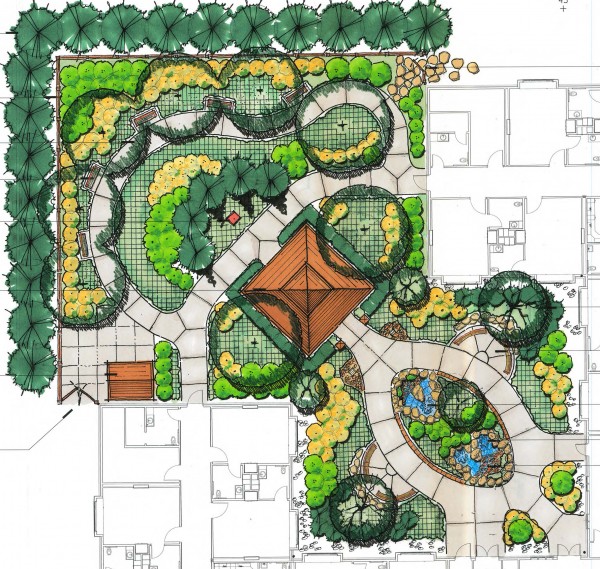
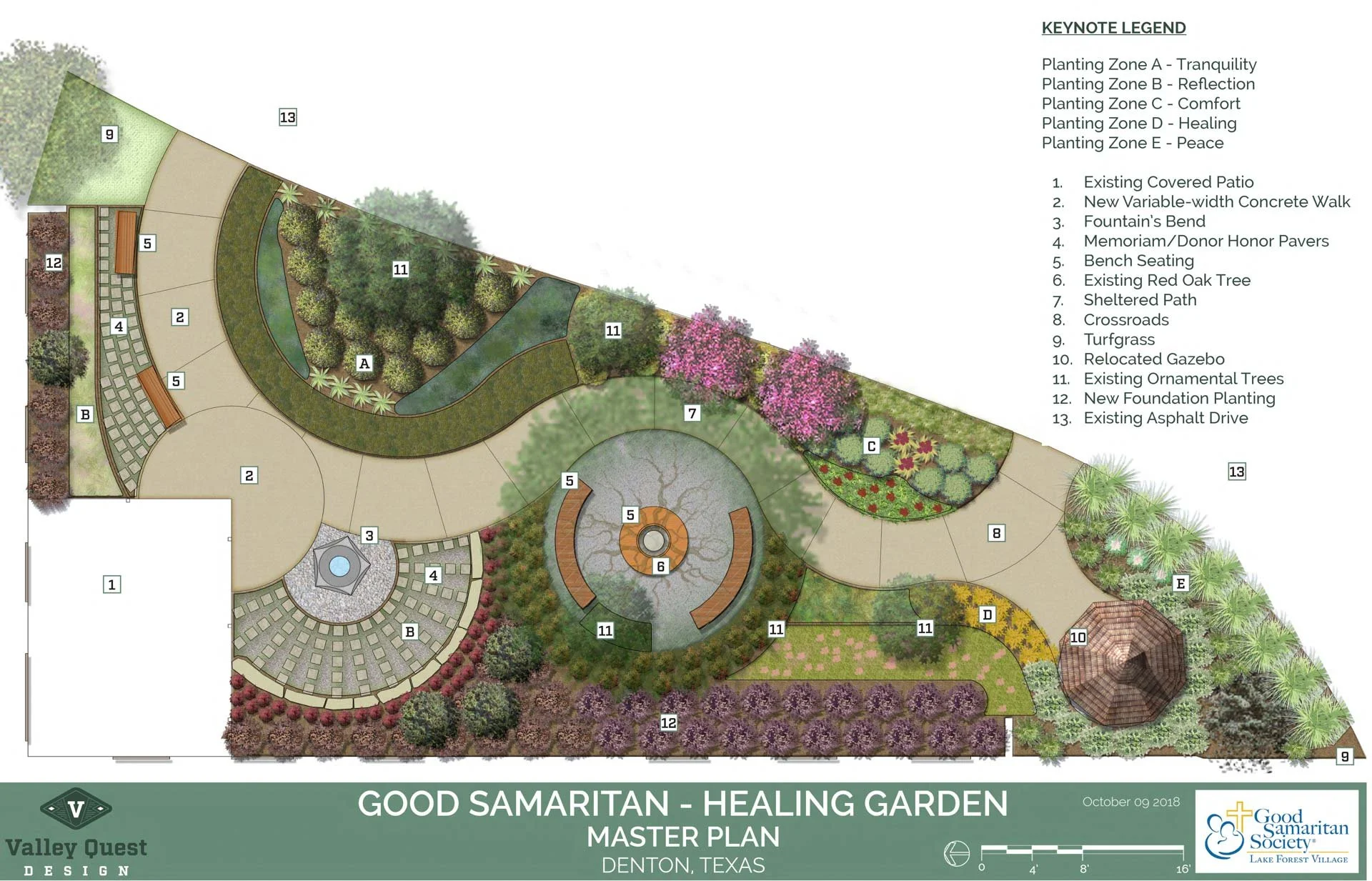
Gardens and patios offer quiet places to rest and reflect. Fresh air and natural sounds help calm the mind. Comfortable seating encourages longer stays outdoors. Paths and water features invite gentle movement and mindfulness. Outdoor spaces support recovery by providing a break from indoor settings.
Creating A Healing Space
Creating a healing space means designing an area that promotes peace and well-being. This space should feel safe and welcoming. Every element in the room works together to calm the mind and body.
Small changes can make a big difference. Careful choices in furniture, colors, and sounds help build comfort. The goal is to support healing through thoughtful design.
Defining Comfort Zones
Start by finding the spots where you feel most at ease. These comfort zones should invite you to relax fully. Arrange furniture to support restful sitting or lying down. Use soft fabrics and cushions for extra coziness. Personalize the space with items that bring joy and calm.
Decluttering Techniques
Clear out unnecessary items to reduce stress. Keep surfaces clean and simple. Store away things that distract or upset your peace. Use baskets or boxes to organize small objects. A tidy space helps clear your mind and focus on healing.
Soothe With Sound
Choose sounds that calm your senses. Play soft music, nature sounds, or gentle white noise. Avoid loud or sharp noises that cause tension. Sound machines or apps can help create a peaceful background. Silence also has power—allow quiet moments to restore energy.
Lighting For Mood
Use lighting that creates warmth and calm. Natural light is best for healing spaces. Position seating near windows to enjoy daylight. Add soft lamps or dimmers to control brightness. Avoid harsh fluorescent lights that strain eyes. Warm light tones help relax and soothe the mind.
Healing Arts And Therapies
Healing arts and therapies play a vital role in design for healing. They use creative and holistic methods to support mental, emotional, and physical health. These therapies focus on the whole person, not just symptoms. Healing arts create spaces that invite peace and restoration. They help people express feelings, reduce stress, and promote calmness.
Creative Expression Therapies
Creative expression therapies include art, music, and dance. They allow individuals to express emotions without words. Drawing, painting, or playing music can lower anxiety. Movement therapies help release tension from the body. These therapies foster self-awareness and emotional balance. Healing spaces often include areas for creative activities. This encourages healing through personal expression.
Mind-body Practices
Mind-body practices connect mental and physical health. Yoga, meditation, and tai chi calm the mind and relax the body. These practices improve focus and reduce stress hormones. Regular practice builds resilience and emotional strength. Healing environments support these practices with quiet, comfortable spaces. Natural light and soft colors enhance relaxation. Mind-body therapies help people feel grounded and balanced.
Sensory Engagement
Sensory engagement uses touch, sound, and smell to promote healing. Soft textures, calming sounds, and gentle scents reduce stress. Sensory rooms can soothe anxiety and improve mood. Aromatherapy with essential oils supports relaxation. Gentle music or nature sounds create a peaceful atmosphere. These sensory elements make healing spaces comforting and inviting. They help the mind and body connect and heal.
Nature-based Activities
Nature-based activities include gardening, walking, and outdoor meditation. These activities connect people with the natural world. Time outdoors improves mood and reduces stress. Healing gardens and green spaces support growth and renewal. Natural elements like plants and water calm the senses. Outdoor spaces encourage gentle movement and fresh air. Nature-based therapies help restore energy and bring peace.
Design Impact On Wellness
Design plays a vital role in wellness. Thoughtful spaces improve health and comfort. Well-designed environments support healing for everyone inside. This impact reaches patients, staff, and visitors alike. Understanding this connection helps create better care settings.
Patient Outcomes
Spaces influence patient recovery and comfort. Natural light and quiet areas reduce stress and pain. Clear layouts help patients feel safe and calm. Access to nature and views speeds healing. Design can lower hospital stays and readmissions.
Staff Satisfaction
Staff work better in well-designed spaces. Comfortable break rooms and natural lighting boost mood. Efficient layouts reduce fatigue and errors. Positive environments increase job satisfaction and retention. Happier staff provide better care to patients.
Emotional And Mental Health
Healing spaces support emotional well-being. Colors, textures, and nature create calm atmospheres. Areas for privacy help reduce anxiety. Art and soothing sounds improve mood and focus. Design helps everyone feel cared for and supported.
Credit: www.f-w.com
Practical Applications
Design for healing focuses on creating spaces that support health and well-being. Practical applications of this design approach can be seen in many environments. These spaces use light, color, nature, and layout to reduce stress and promote recovery. Thoughtful design helps people feel calm, safe, and comfortable. The following sections highlight how healing design applies to different settings.
Residential Spaces
Homes designed for healing use natural light and soft colors. Rooms are arranged to encourage relaxation and rest. Plants and natural materials bring nature indoors, improving air quality and mood. Spaces avoid clutter to create a peaceful atmosphere. Quiet areas allow for meditation or gentle activities. These features support mental health and comfort every day.
Healthcare Facilities
Hospitals and clinics use healing design to improve patient outcomes. Large windows provide daylight and views of nature. Soothing colors calm nerves and reduce anxiety. Furniture is comfortable and easy to clean. Private rooms offer privacy and quiet for recovery. Healing gardens outside give patients and staff a place to relax and recharge. These elements speed healing and support well-being.
Work Environments
Workplaces with healing design boost focus and reduce stress. Natural light fills offices to improve energy and mood. Plants add color and help clean the air. Spaces are organized to limit noise and distractions. Break areas offer calm spots to rest and refresh. These design choices create a healthier, more productive workday for employees.
Credit: www.vq-design.com
Conclusion
Design for healing shapes spaces that nurture peace and wellness. Thoughtful choices in light, color, and nature calm the mind and body. Simple, natural elements create rooms that feel safe and inviting. These environments support recovery, reduce stress, and boost mood.
Everyone deserves a space that helps them feel whole again. Small changes can make a big difference in daily life. Healing design is more than style; it’s about comfort and care. Embrace spaces that heal, restore, and inspire well-being every day.
No responses yet