
Have you ever walked into a room and instantly felt at ease, as if the space was made just for you? That’s the power of personal space design.
It’s not just about arranging furniture—it’s about creating an environment where you feel comfortable, inspired, and truly at home. Whether you’re redesigning a cozy nook or an entire room, understanding how to craft your personal space can transform how you live and interact every day.
Ready to discover the secrets behind designing spaces that speak to you and reflect your unique style? Let’s dive in and unlock the potential of your personal space.
Related Article: Functional Home Design: Maximize Space and Boost Comfort
Related Article: What is Smart Home Interior Design: Transform Your Living Space Today
Proxemic Zones In Personal Space
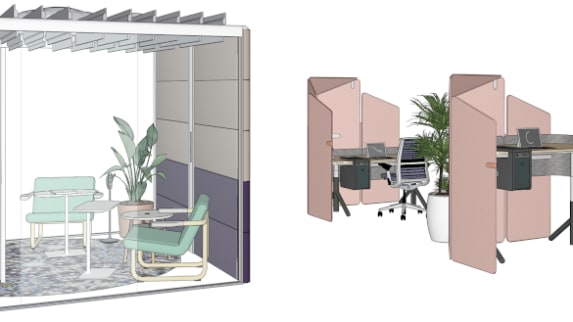
Proxemic zones define the invisible boundaries around a person. These zones influence how people feel and interact in different settings. Understanding these zones helps design spaces that respect comfort and social needs. Each zone has a unique role in shaping our personal space experience.
Intimate Zone Uses And Feelings
The intimate zone ranges from touching distance to about 18 inches. It suits whispering, hugging, or close contact with loved ones. This zone creates strong emotional bonds and trust. Invading this space without consent often feels threatening or uncomfortable.
Personal Zone Uses And Feelings
The personal zone extends from 18 inches to 4 feet. People use it for casual chats with friends and family. It offers a balance between closeness and privacy. This space fosters warmth while keeping boundaries clear.
Social Zone Uses And Feelings
The social zone covers 4 to 12 feet. It fits formal talks with colleagues or acquaintances. This distance maintains professionalism and respect. People feel comfortable but less emotionally connected here.
Public Zone Uses And Feelings
The public zone starts from 12 feet and beyond. It suits speeches, presentations, or interactions with strangers. This zone feels formal and detached. It allows clear communication without personal involvement.
Credit: www.steelcase.com
Types Of Personal Space
Personal space plays a key role in how people interact and feel comfortable. It is the invisible boundary around us. This boundary changes depending on who we are with and the situation. Understanding the types of personal space helps to create better environments. It also guides designers in planning spaces that respect people’s comfort zones.
Intimate Distance
Intimate distance ranges from 0 to 18 inches. It is reserved for close relationships. Examples include romantic partners, close family, and very good friends. This space allows for whispering, hugging, or gentle touch. People feel strong emotional connection here. Too much intrusion can feel threatening or uncomfortable.
Personal Distance
Personal distance spans 1.5 to 4 feet. It suits casual conversations with friends or family. This space allows people to connect without feeling crowded. It is common in homes and social gatherings. People feel relaxed and open in this zone. It balances closeness and personal comfort.
Social Distance
Social distance ranges from 4 to 12 feet. It works well for formal or professional settings. People use this space with acquaintances or colleagues. It helps maintain a polite, respectful tone. This distance is common in offices and meetings. It supports clear communication without intimacy.
Public Distance
Public distance is 12 feet or more. It is used for public speaking or addressing groups. This space creates a formal and detached feeling. It allows a speaker to reach many people comfortably. It also helps strangers keep a respectful distance. Public distance suits open, large areas like auditoriums or parks.
Smart Ideas For Personal Space Design
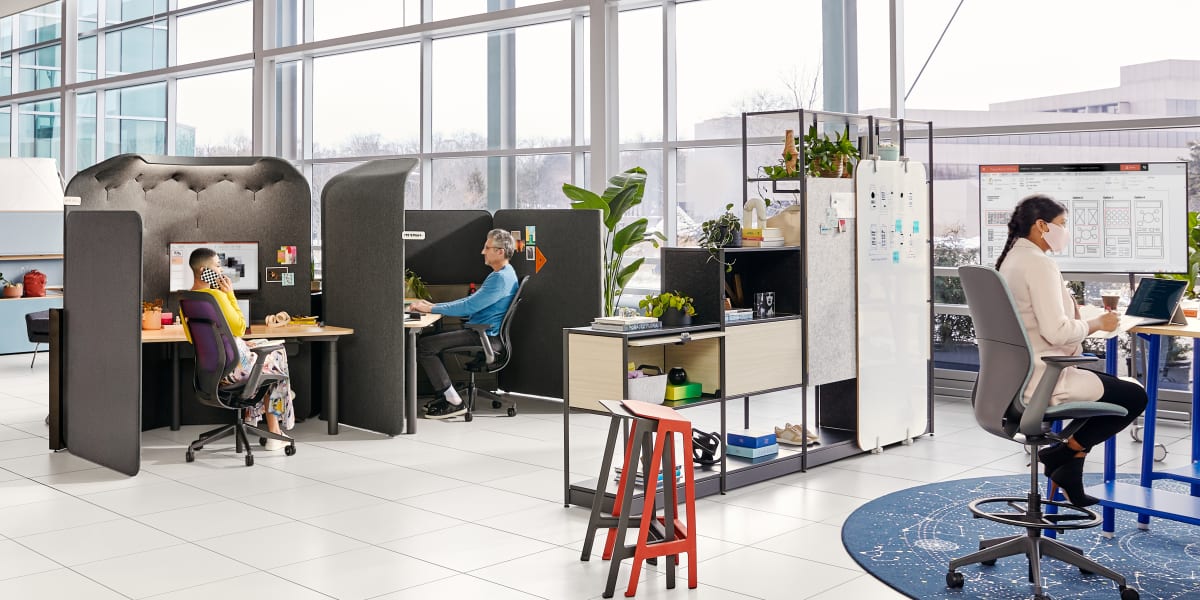
Designing your personal space can transform how you feel at home. Smart design ideas make your space cozy and stylish. These tips help you create a room that reflects your personality and comfort.
Creating Visual Interest With Odd Numbers
Using odd numbers in decor creates balance and draws attention. Groups of three or five items feel natural and inviting. Odd numbers avoid symmetry, making displays more dynamic. Arrange objects like vases or books in odd sets for better appeal.
Using Vignettes For Style
Vignettes are small, themed groupings of decor items. They add charm and tell a story in your space. Combine different textures and heights within a vignette to keep it interesting. A well-made vignette brings personality to tables or shelves.
Adapting Groupings For Space Size
Adjust your decor clusters based on room size. In small spaces, use fewer and smaller items to avoid clutter. Large rooms allow bigger groupings for more impact. Scale your arrangements to fit the space and keep harmony.
Credit: www.steelcase.com
Applying Design Principles
Applying design principles to personal space helps create areas that feel balanced and inviting. Proper design organizes items thoughtfully. This organization supports comfort and visual appeal. Careful selection and placement of elements make spaces functional and attractive. Follow simple steps to build a well-designed personal space.
Starting With Three Items
Begin by choosing three key items for your space. These could be furniture pieces, decorations, or lighting. Three items create a simple and balanced look. This number allows each piece to stand out. Avoid clutter by limiting the initial selection.
Expanding To Five Or Seven
Add more items to enrich the space, aiming for five or seven pieces. Odd numbers keep the arrangement interesting and dynamic. Increasing items should not overwhelm the area. Keep the scale and purpose of each piece in mind. This step adds depth and personality.
Maintaining Cohesion And Contrast
Ensure all items work well together for a cohesive feel. Use similar colors, styles, or materials to tie pieces together. Contrast is important to avoid monotony. Mix textures, shapes, or shades carefully. Balance cohesion and contrast to keep the space lively yet unified.
Innovative Storage Solutions
Innovative storage solutions transform personal spaces into organized, functional areas. They help maximize every inch of space while keeping clutter away. Smart storage ideas make rooms look neat and inviting.
Using creative storage options enhances comfort and usability. It supports a calm environment that feels spacious and welcoming. These solutions fit different room sizes and styles, making them ideal for any home.
Built-in Shelving And Cabinets
Built-in shelves and cabinets use wall space efficiently. They offer plenty of room for books, decor, and essentials. Custom designs blend seamlessly with the room’s style and layout.
This storage type hides items out of sight. It keeps surfaces clear, reducing visual clutter. The result is a clean, polished look that feels open.
Multi-functional Furniture
Furniture with hidden storage adds value to small spaces. Sofas with storage compartments or beds with drawers store items neatly. They combine comfort with practicality.
Multi-functional pieces reduce the need for extra furniture. This creates more floor space and improves flow. Choosing the right furniture helps maintain a tidy room.
Vertical Storage Solutions
Vertical storage uses height to increase capacity. Tall bookcases, wall hooks, and hanging organizers free up floor space. They make use of often ignored vertical areas.
This approach keeps items accessible without crowding the room. It supports better organization and easy cleaning. Vertical solutions suit rooms with limited square footage.
Co-creative Design Approach
The co-creative design approach invites you to be part of the design journey. It blends your ideas with expert guidance. This method ensures your space feels personal and unique. You stay involved in every step of the process. This approach creates a space that suits your lifestyle and taste perfectly.
Balancing Comfort And Style
Comfort and style can go hand in hand. Together, we choose elements that look good and feel good. The goal is a space that welcomes you and your guests. Soft textures, ergonomic furniture, and pleasing colors create a cozy vibe. Stylish accents add personality without sacrificing comfort. The balance makes your space inviting and beautiful.
Stress-free Design Process
Designing a space should be fun, not stressful. Clear communication keeps things simple and smooth. You share your preferences, and the designer offers options. No surprises, just steady progress toward your dream space. The process respects your time and energy. This calm approach makes the journey enjoyable.
Budget-friendly Design Choices
Good design does not mean high costs. Smart choices stretch your budget without cutting style. Prioritizing key pieces and smart shopping saves money. Repurposing or refreshing existing items adds character affordably. The focus stays on what matters most to you. This way, your space feels valuable and well-planned.
Personal Space In Small Homes
Living in a small home challenges your ability to create personal space. Every inch counts. Designing a personal space in such homes requires smart planning. It should feel comfortable and private despite size limits.
Small homes can still offer cozy corners for relaxation or work. Personal space helps reduce stress and boost well-being. Thoughtful design makes these areas functional and inviting.
Maximizing Limited Areas
Use vertical space by adding shelves or wall hooks. Corners often go unused; place a small chair or desk there. Mirrors reflect light and make rooms feel larger. Keep pathways clear to avoid clutter and improve flow. Bright colors open up small spaces visually.
Multi-functional Furniture
Choose furniture that serves more than one purpose. Sofas with storage underneath save space and keep items hidden. Fold-out desks or beds provide flexibility for different needs. Stackable chairs or tables can be stored away easily. This furniture adapts to your daily activities without crowding.
Diy Design Tips
Create your own storage solutions using crates or baskets. Paint old furniture to refresh and match your style. Use curtains or screens to divide a room into zones. Add cushions and rugs to define personal corners. Personal touches make small spaces feel truly yours without extra cost.
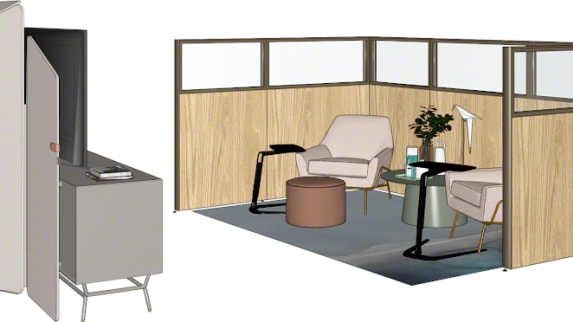
Credit: www.steelcase.com
Related Article: Foyer Design: Stunning Ideas to Transform Your Entryway Today
Incorporating Personality Into Design
Incorporating personality into design transforms a simple room into a unique personal space. It reflects who you are and what you love. Personal touches create comfort and a sense of belonging. Design should speak your style and make daily life enjoyable.
Each element in the space can tell a story. Colors, textures, and objects combine to showcase your character. The goal is to design a space that feels truly yours.
Reflecting Individual Style
Your style is the foundation of personal space design. Choose colors that match your mood and preferences. Select furniture that fits your lifestyle and comfort needs. Art and décor should express your passions and memories. These choices make the space feel authentic and inviting.
Creating Spaces To Showcase
Design areas to display favorite items and collections. Shelves, display cases, or wall mounts work well. Highlight objects with good lighting to draw attention. This creates focal points that tell your story. It also makes the space visually interesting and personal.
Balancing Function And Aesthetics
Function and beauty must work together in design. Ensure the space meets daily needs without clutter. Choose stylish yet practical furniture and storage solutions. Maintain clear pathways for easy movement. This balance keeps the room comfortable and visually pleasing.
Conclusion
Designing personal space helps create comfort and balance in daily life. Thoughtful layouts respect your needs and relationships. Small changes can make rooms feel larger and more welcoming. Personal space design supports relaxation and positive connections with others. Choose colors, furniture, and lighting that reflect your style and mood.
Remember, your space should help you feel calm and happy. Simple steps lead to a home that truly suits you. Enjoy making your space a peaceful, personal retreat.
Related Article: Design for Healing: Transforming Spaces to Boost Wellness
One response
[…] Related Article: Personal Space Design: Transform Your Home with Smart Ideas […]