
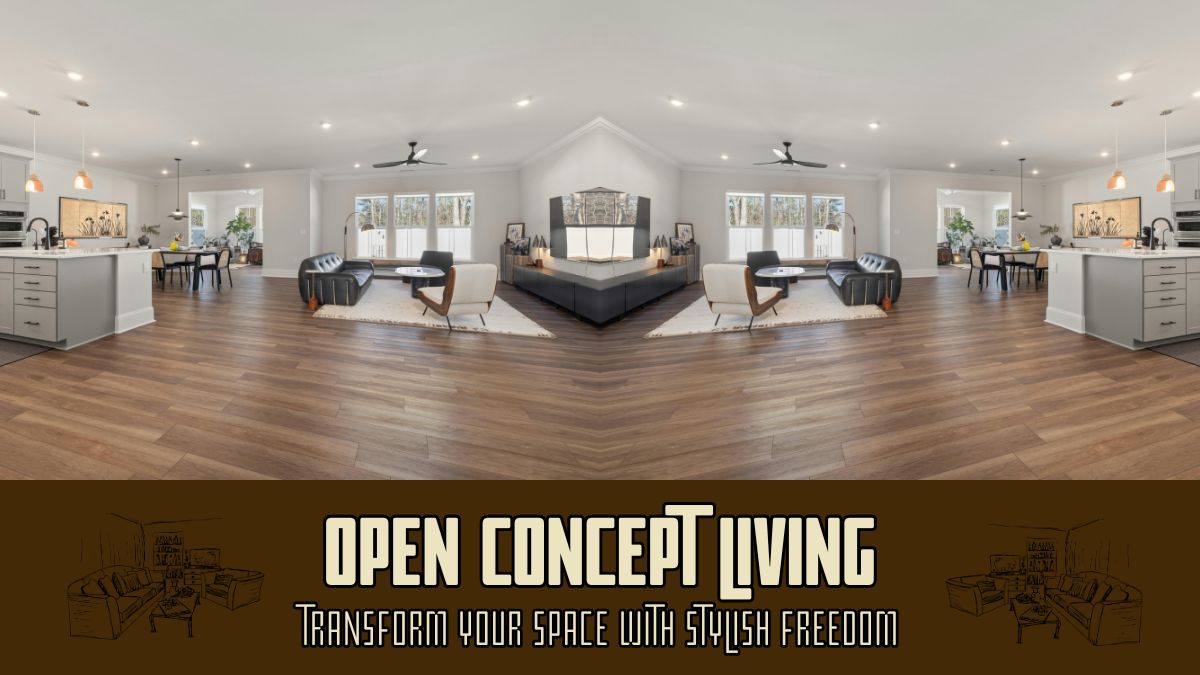
Imagine your home as one big, inviting space where cooking, dining, and relaxing flow effortlessly together. That’s the magic of open concept living.
If you’ve ever felt boxed in by walls or wished your home felt brighter and more connected, this design style might be exactly what you need. Open concept living breaks down barriers, creating a spacious, social environment that makes every corner of your home feel alive and welcoming.
But is it right for your lifestyle? Keep reading to discover how open concept living can transform your space—and what to watch out for before you take the plunge.
Related Article: How to Increase Natural Light in Apartment: Brighten Your Space Fast
:strip_icc()/erin-williamson-california-historic-2-97570ee926ea4360af57deb27725e02f.jpeg)
Credit: www.mydomaine.com
Related Article: Rule of Thirds in Interior Design: Transform Your Space Instantly
Key Features
Open concept living transforms traditional home layouts by blending spaces into one seamless area. This design highlights openness and connectivity. It encourages social interaction and a bright, airy atmosphere.
Understanding the key features helps you see why open concept living feels spacious and welcoming. Each element contributes to a smooth flow and practical use of space.
Merged Living Areas
Open concept living merges the kitchen, dining, and living rooms. These areas flow into each other without walls. This layout creates a large, shared space for family and guests. It promotes easy conversation and togetherness.
Minimal Walls
Few or no interior walls separate the main areas. Structural beams often replace traditional walls for support. This reduces barriers and enhances the sense of openness. It also allows flexible use of the space.
Defined Functional Zones
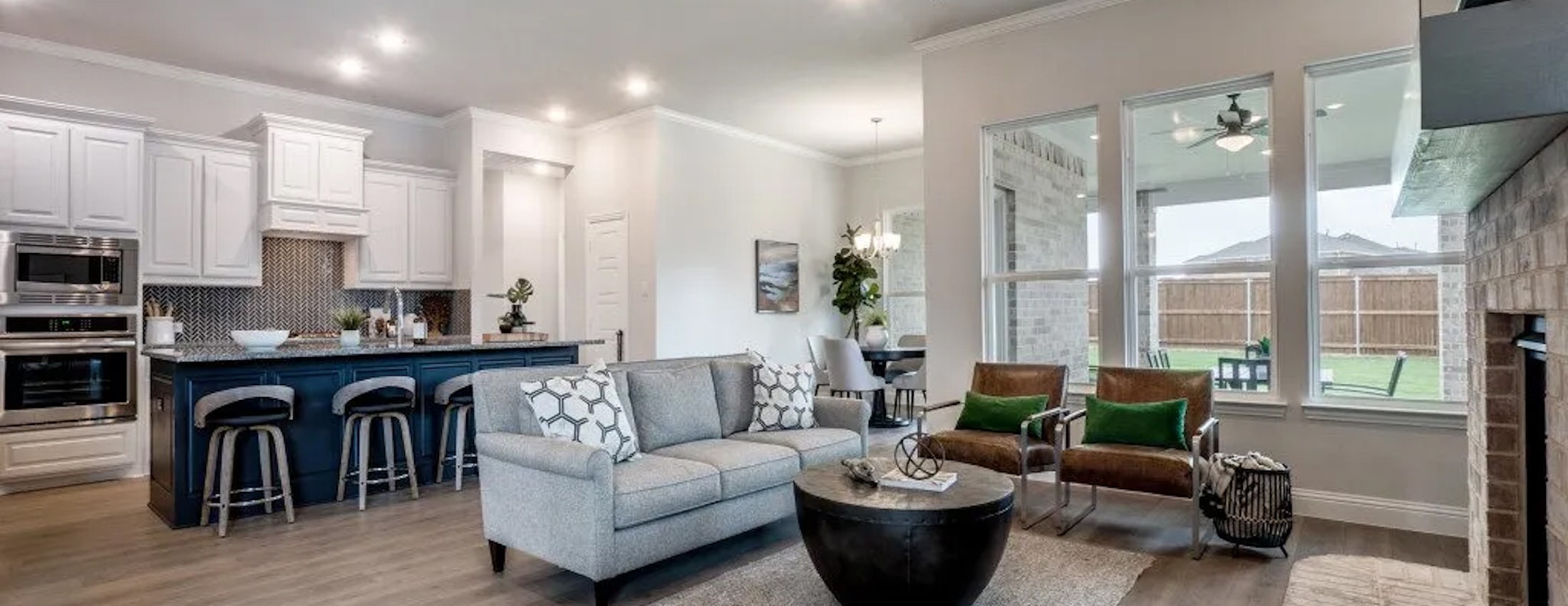
Even without walls, zones for cooking, eating, and relaxing remain clear. Furniture and layout mark these areas. Rugs, lighting, and furniture placement help define each zone. This keeps the space organized and functional.
Natural Light And Flow
Open concept spaces take full advantage of natural light. Large windows brighten the entire area. Light moves freely through the open layout. This creates a warm, inviting environment and improves mood.
Related Article: Minimalism in Interior Design: Transform Your Space with Simplicity
Credit: www.kindredhomes.com
Related Article: Window Treatment Ideas for Bedrooms: Stylish & Cozy Designs
Advantages
Open concept living offers several clear advantages. It changes how space is used and experienced. This style creates a fresh and inviting home environment. People enjoy the feeling of openness and connection it brings. Each benefit improves daily living in simple ways.
Spacious Ambiance
Open concept removes walls that divide rooms. This creates one large area that feels bigger. Without barriers, the space breathes and flows naturally. Homes seem less cramped and more comfortable. Even small houses appear more expansive and inviting.
Enhanced Socializing
Open layouts encourage talking and interaction. Family members can chat across the kitchen and living room. Guests feel included during parties or gatherings. This design supports togetherness and easy communication. It helps create warm, friendly atmospheres for all.
Improved Lighting
Natural light moves freely through open spaces. Large windows brighten the whole area without blockage. This reduces the need for artificial lights during the day. Bright rooms lift moods and make homes feel cheerful. Well-lit spaces also improve comfort and energy use.
Better Supervision
Parents can watch children in many areas at once. Without walls, visibility is clear and wide. This layout helps keep kids safe while adults work nearby. It also allows multitasking without losing sight of loved ones. Open design supports family care and peace of mind.
Challenges
Open concept living creates a spacious and bright home environment. It blends multiple rooms into one large area for better flow. Yet, this design style has some challenges to consider. These issues can affect comfort and daily living. Understanding them helps in making smart design choices.
Reduced Privacy
Open spaces offer less privacy than separate rooms. Conversations and activities happen in view of others. Quiet time becomes harder to find. This can be difficult for families or roommates. Small nooks or screens might help create private spots.
Increased Noise
Sounds travel easily in open concept homes. Cooking, talking, and TV noises overlap in one space. This can cause distractions and stress. Noise control measures like rugs and curtains reduce echoes. Choosing quiet appliances also helps manage sound levels.
Visible Clutter
Clutter shows quickly in open areas. Mess in the kitchen or living room is hard to hide. Keeping the space tidy demands regular effort. Storage solutions and minimal decor keep clutter under control. A clean space feels more inviting and calm.
Limited Wall Space
Open layouts reduce available wall space. Less room exists for hanging art or shelves. Furniture placement options become limited too. Creative use of free-standing furniture can solve this. Walls that remain should be used wisely for storage or decoration.
Privacy And Noise Factors
Open concept living creates a bright and spacious home. It removes walls to blend kitchen, dining, and living areas. This design encourages socializing and easy movement. Yet, privacy and noise can become challenges in such open spaces. Understanding these factors helps balance openness with comfort.
Lack Of Quiet Spaces
Open concept homes often lack separate rooms for silence. It is hard to find a place to work or relax quietly. Noise from conversations, TV, or cooking fills the space. This can disturb reading, studying, or resting. Creating small private zones or using room dividers can help.
Sound Travel Issues
Without walls, sound moves freely across the entire area. Loud voices or appliances can be heard everywhere. This makes it difficult to control noise levels. Flooring and furniture choices affect how sound carries. Adding rugs, curtains, and soft furnishings reduces echo and noise travel.
Clutter And Design Considerations
Open concept living offers a spacious and airy feel by combining multiple rooms into one area. This design style requires careful attention to clutter and overall design. Without walls, messes are more visible, and furniture placement becomes a challenge. Thoughtful planning helps maintain the beauty and functionality of the space.
Constant Tidiness
Open spaces show clutter easily. Items left out can make the whole area look messy. Regular cleaning and organizing keep the space inviting. It is best to have a routine to clear surfaces and floors daily. This habit keeps the home looking neat and fresh.
Storage Limitations
Walls usually hold shelves and cabinets, but open plans reduce these options. Finding enough storage can be difficult. Use furniture with built-in storage to solve this problem. Baskets, ottomans, and benches with hidden compartments help keep things out of sight. Planning storage is key to a tidy open concept home.
Echo And Scale Effects
Large open rooms can cause sound to bounce around. Noise may feel louder and distracting. Adding rugs, curtains, and soft furniture helps absorb sound. The size of furniture should fit the space well. Small pieces can look lost, while very large ones may crowd the room. Balance scale for comfort and style.
Design Tips For Balance
Balancing an open concept living space requires thoughtful design. Without walls, distinct areas can blend too much. This makes it hard to create comfort and order. Careful planning keeps the space functional and inviting. Simple design tips can help maintain harmony in your home.
Creating Zones With Furniture
Use furniture to define separate zones. A sofa can mark the living area. A dining table sets the eating space apart. Rugs help create visual boundaries. Arrange pieces to guide movement and flow. This keeps each area clear and purposeful.
Using Structural Elements
Keep some structural parts visible to break the space. Beams or columns can act as natural dividers. Partial walls or glass partitions add separation without closing off. These elements add character and structure. They help balance openness with defined spaces.
Incorporating Storage Solutions
Storage units can divide zones and reduce clutter. Shelves or cabinets create subtle boundaries. Use open shelving for light and airiness. Closed storage hides mess and keeps the space tidy. Smart storage helps maintain a neat, balanced look.
Managing Acoustics
Sound travels easily in open spaces. Use soft textiles like rugs, curtains, and cushions to absorb noise. Add fabric wall hangings or acoustic panels if needed. Arrange furniture to break sound paths. Managing noise keeps the space peaceful and comfortable.
Energy And Cost Factors
Energy and cost factors play a big role in open concept living designs. Removing walls changes how heat spreads and how much support the structure needs. These changes affect utility bills and construction expenses.
Temperature Control Challenges
Open spaces make it hard to keep a steady temperature. Heat moves freely between areas, causing uneven warmth. Air conditioning or heating systems must work harder. This can lead to higher energy use and bills. Zoned heating and cooling systems can help manage this problem.
Structural Support Costs
Removing walls means fewer support points for the house. Builders must add beams or columns to hold the roof and floors. These supports can increase construction costs. Strong materials like steel or engineered wood are common choices. Planning these supports carefully keeps the home safe and stable.
Related Article: How to Organize Your Home Like a Professional: Simple Steps for Success
Conclusion
Open concept living creates a bright, spacious home environment. It encourages family time and easy movement between areas. This design suits those who enjoy social spaces and natural light. Keep in mind, it may reduce privacy and increase noise. Regular tidying helps maintain a neat look.
Overall, open concept living blends comfort with modern style simply and effectively.
Related Article: What Is a Loft in a House: Ultimate Guide to Stylish Spaces
3 Responses
[…] Related Article: Open Concept Living: Transform Your Space with Stylish Freedom […]
[…] Related Article: Open Concept Living: Transform Your Space with Stylish Freedom […]
[…] Related Article: Open Concept Living: Transform Your Space with Stylish Freedom […]