

Are you curious about farmhouse interior design and why it’s become so popular? This style brings warmth and simplicity straight into your home, creating spaces that feel cozy, inviting, and full of character.
Imagine a design that blends natural materials like wood and steel with vintage treasures and modern touches—sounds comforting, right? Whether you want to refresh your living room or rethink your entire home, understanding farmhouse interior design can inspire you to create a space that’s both stylish and deeply personal.
Keep reading to discover what makes farmhouse design special and how you can bring its timeless charm into your own home.
Related Article: Reverse Decluttering: Transform Your Space with Smart Storage

Credit: pamelalynninteriors.com
Related Article: How to Organize Your Home Like a Professional: Simple Steps for Success
Farmhouse Style Basics
Farmhouse interior design creates a cozy and inviting home atmosphere. It blends rustic charm with simple, practical living. The style focuses on comfort, warmth, and natural beauty. This design feels timeless and easy to live in.
Farmhouse style basics highlight key elements that make the space feel genuine and welcoming. These include a warm color palette, natural materials, and a mix of old and new items. This combination creates a balanced and harmonious look in any room.
Warmth And Simplicity
Farmhouse design uses warm colors like soft whites, creams, and earth tones. These shades create a calm and cozy environment. The style avoids clutter and keeps spaces simple and functional. Furniture often has clean lines and comfortable shapes. This focus on simplicity makes the home feel open and peaceful.
Natural Materials
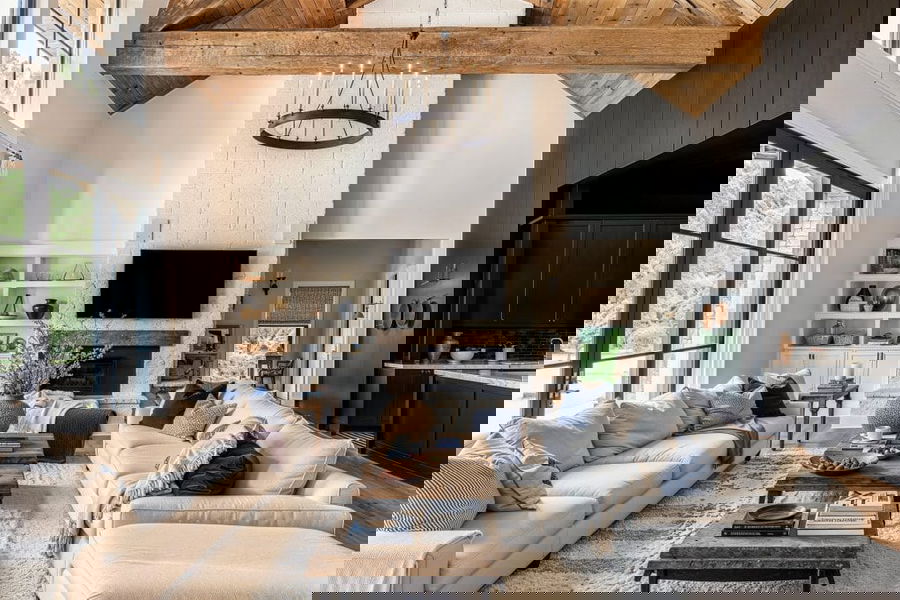
Wood is a key material in farmhouse interiors. It appears in floors, beams, furniture, and decor. Natural fibers like cotton, linen, and wool add texture and softness. Stone and metal elements provide contrast and durability. These materials bring the outdoors inside and create an organic, grounded feel.
Vintage And Modern Blend
Farmhouse style mixes vintage pieces with modern touches. Antique furniture or decor adds character and history. Modern items provide comfort and updated function. This blend creates a unique and personal space. It respects tradition while staying fresh and current.
Credit: www.decorilla.com
Key Elements
Farmhouse interior design blends rustic charm with modern comfort. Its key elements create a warm, inviting space that feels lived-in and cozy. These features highlight natural materials and vintage touches. The style balances simplicity and character, making every room feel welcoming and timeless.
Wood And Steel Features
Wood is central to farmhouse interiors. Reclaimed wood beams, floors, and furniture add texture and warmth. Steel elements bring contrast and strength. Black or dark metal fixtures create a rustic yet modern look. This mix of wood and steel builds a sturdy, natural foundation for the space.
Antique Accessories
Antique pieces add history and soul to the design. Old clocks, weathered signs, and vintage jars fit perfectly. These accessories show character and tell stories. They avoid a polished look, instead offering charm and authenticity. Small details like these make the farmhouse style unique.
Cozy Textiles
Soft textiles complete the farmhouse vibe. Wool blankets, cotton cushions, and linen curtains create comfort. Patterns like checks or florals add a homey touch. Layering textiles invites relaxation and warmth. These fabrics make the space feel personal and lived-in.
Color Palettes
Color palettes play a vital role in farmhouse interior design. They set the mood and define the style’s warmth and simplicity. Choosing the right colors can make spaces feel cozy and welcoming. The palette often reflects natural elements and vintage charm.
Traditional Whites And Grays
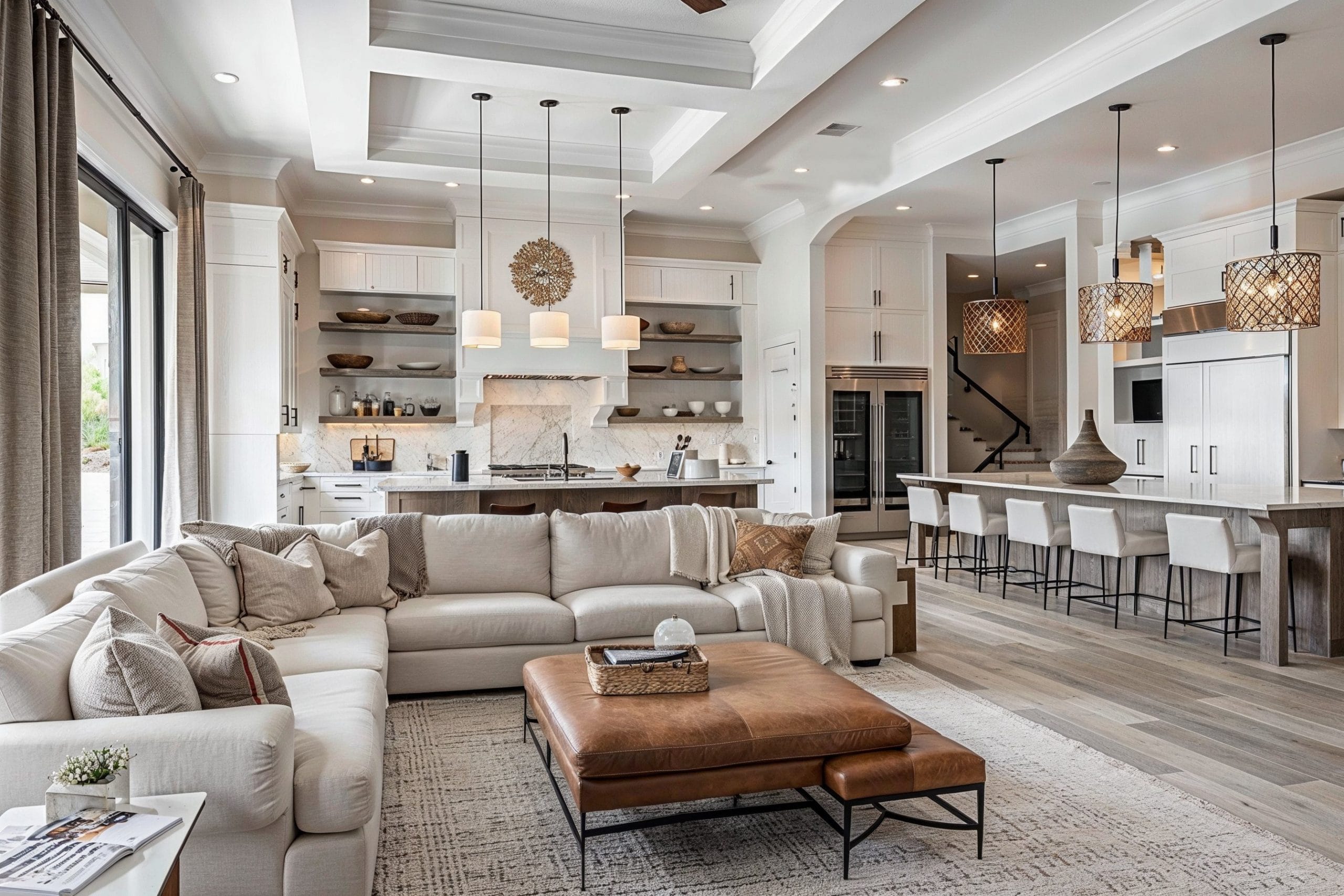
Traditional farmhouse design favors whites and grays. These colors create a clean and calm backdrop. Soft whites brighten rooms and highlight wood textures. Light grays add subtle contrast without overpowering the space. This palette feels timeless and fresh.
Using whites and grays keeps the look airy. It allows natural light to fill the room. These shades also pair well with rustic furniture and vintage accessories. This classic combination supports the farmhouse’s simple and cozy vibe.
Shift To Earthy Tones
Modern farmhouse designs often shift toward earthy tones. Warm browns, soft greens, and muted tans bring nature indoors. These colors create a grounded and inviting atmosphere. Earthy tones highlight natural wood and stone elements.
This palette connects the home with the outdoors. It adds depth and richness without feeling heavy. Earthy hues suit textured fabrics and handcrafted décor. They make rooms feel lived-in and comfortable.
Incorporating Bold Colors
Bold colors are becoming popular in farmhouse interiors. Deep blues, rich reds, and forest greens add drama and personality. These hues create cozy, intimate spaces. Bold colors often appear on cabinets, accent walls, or textiles.
Using bold shades can update a traditional look. They contrast well with white or neutral walls. Bold colors bring energy and warmth to the farmhouse style. This approach adds a modern twist to classic design.
Emerging Trends
Farmhouse interior design keeps evolving with fresh trends that blend tradition and modern style. These new directions bring warmth and elegance to rustic spaces. Each trend adds unique textures and colors to enrich farmhouse homes. The focus shifts from plain simplicity to inviting, layered looks with thoughtful details.
Quiet Luxury And Rich Textures
Quiet luxury means using rich materials with subtle elegance. Think soft velvets, thick rugs, and polished brass accents. These elements create a cozy yet refined atmosphere. This trend balances comfort with sophistication in farmhouse interiors.
Nature-infused Warmth
Natural materials like stone, travertine, and aged wood feature prominently. Earthy colors such as deep greens, browns, and golds add warmth. This style brings the outdoors inside, making spaces feel calm and organic.
Moody And Bold Shades
Dark blues, rich aubergines, and deep reds replace plain whites. These bold colors add drama and coziness. They often contrast with lighter accents to keep rooms balanced and inviting.
Tactile And Organic Details
Textured wallpapers, murals, and materials with natural flaws add character. These tactile touches make farmhouse spaces feel lived-in and authentic. The focus is on depth and personality through unique surfaces.
Transitional Minimalism
This trend reduces clutter but keeps warmth through rich materials. It blends simple design with farmhouse charm. The result is calm, open spaces that feel both modern and welcoming.
Common Mistakes
Farmhouse interior design is popular for its cozy and natural feel. Yet, some common mistakes can spoil the look. Avoid these errors to keep your space warm and inviting. Small changes make a big difference in farmhouse style.
Overcluttering With Decor
Adding too many decorations can overwhelm the room. Farmhouse style thrives on simplicity and openness. Choose a few meaningful pieces instead of filling every surface. This keeps the space calm and fresh.
Excessive Rustic Elements
Rustic items bring charm but using too many looks forced. Balance wood, metal, and vintage pieces with modern touches. A mix creates a natural, lived-in feel without feeling old-fashioned.
Monochromatic Palettes
Sticking to one color can make rooms dull or cold. Farmhouse design favors warm, soft tones that blend well. Use varied shades of beige, white, and gray with pops of color for interest.
Ignoring Scale And Function
Furniture must fit the space and be useful. Oversized or tiny pieces disrupt flow and comfort. Choose items that match room size and lifestyle needs for harmony and ease.
Lack Of Personal Touch
Farmhouse style feels inviting with personal items. Avoid generic looks by adding family photos or heirlooms. This creates a unique, welcoming home that tells your story.
Credit: www.decorilla.com
Replacing Farmhouse Style
Farmhouse style once ruled home interiors with its simple, cozy charm. Now, new trends are gently replacing it. These fresh looks bring more depth and warmth to spaces. The focus shifts from plain whites and grays to richer colors and textures. Natural elements and layered designs create inviting and elegant atmospheres. This change reflects a desire for comfort combined with style.
Layered And Textured Designs
Layering different textures adds interest and warmth to rooms. Soft rugs, velvet cushions, and woven throws work well together. Textured wallpapers and murals bring walls to life. Mixing smooth and rough surfaces creates a balanced feel. These layers invite touch and create cozy, lived-in spaces. This approach makes rooms feel personal and full of character.
Embracing Natural Materials
Natural materials bring earth’s beauty indoors. Stone, travertine, and wood with unique grains add charm. Metals with patina show age and history. These materials age gracefully and tell stories. Using nature-inspired colors like green, brown, and gold enhances the effect. The result is a warm, organic environment that feels peaceful and grounded.
Balancing Modern And Rustic
Modern and rustic elements combine for a fresh look. Sleek furniture pairs with rough wood beams. Clean lines meet textured, natural finishes. This balance keeps spaces uncluttered but inviting. Brass and high-gloss surfaces add subtle luxury. Bold colors like deep blue or aubergine create cozy focal points. This mix respects tradition while embracing today’s style.
Practical Tips
Practical tips help create a beautiful farmhouse interior. They guide blending styles and choosing the right furniture. These tips focus on comfort, function, and style. Follow them to bring farmhouse charm into your home.
Balancing Old And New
Mix vintage pieces with modern items for contrast. Use aged wood furniture alongside sleek, new accents. This balance keeps the space fresh yet warm. Avoid overcrowding with too many antiques or too much modern decor. A few well-chosen old items add character and history.
Choosing Functional Pieces
Select furniture that serves a purpose and looks good. Farmhouse style values practicality and comfort. Choose sturdy tables and chairs that can handle daily use. Storage options like open shelves or baskets keep things tidy. Functional pieces make the home easy to live in.
Creating Cozy Ambiance
Use soft textiles like wool throws and linen cushions. Warm lighting from lamps or candles invites relaxation. Natural materials such as wood and stone add earthiness. Layer rugs and blankets for texture and warmth. A cozy space feels welcoming and lived-in.
Conclusion
Farmhouse interior design blends comfort with timeless charm. It uses natural materials like wood and steel. Vintage and modern pieces create a warm, inviting space. This style feels cozy and simple, yet stylish. Many enjoy its mix of old and new elements.
It suits those who love a relaxed, homey atmosphere. Farmhouse design remains popular for its friendly, welcoming vibe. It offers a fresh way to decorate your home naturally. Embrace its warmth and effortless beauty in your space.
Related Article: Open Concept Living: Transform Your Space with Stylish Freedom
One response
[…] Related Article: What is Farmhouse Interior Design: Ultimate Guide to Cozy Chic Homes […]