
If you want your garden to thrive without relying on harsh chemicals, inviting beneficial insects is one of the smartest moves you can make. These tiny allies work tirelessly to protect your plants by controlling pests, improving soil health, and even helping with pollination.
Imagine a garden where ladybugs, lacewings, and bees team up to keep harmful bugs at bay while boosting your fruits and veggies. Curious to learn which insects can transform your garden and how to attract them? Keep reading to discover the secret helpers that can make your garden healthier, more vibrant, and easier to manage.

Credit: laidbackgardener.blog
Key Beneficial Insects
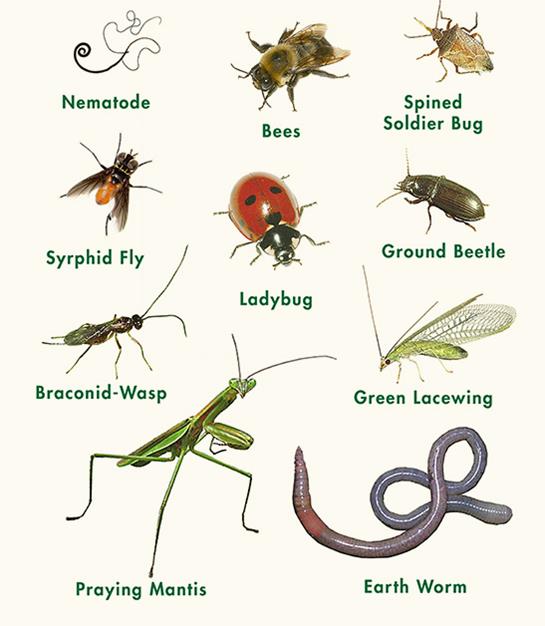
Beneficial insects play a vital role in maintaining a healthy garden. They support plant growth by pollinating flowers, controlling pests, and improving soil quality. Knowing the key beneficial insects helps gardeners encourage their presence. These insects naturally reduce the need for chemicals and promote a balanced ecosystem.
Pollinators
Pollinators like bees and butterflies carry pollen from flower to flower. This process helps plants produce fruits and seeds. Honeybees are popular pollinators, but native bees also do a great job. Butterflies add beauty while assisting in pollination. Without pollinators, many plants would fail to reproduce.
Predatory Insects
Predatory insects protect plants by eating harmful pests. Ladybugs consume aphids, a common garden pest. Lacewings feed on small insects and their eggs. Spiders trap many pests in their webs. These insects keep pest populations under control naturally.
Soil Dwellers
Soil dwellers like earthworms and beetles improve soil health. Earthworms create tunnels that aerate the soil. They also break down organic matter into nutrients. Beetles and nematodes help decompose dead plants and control harmful pests underground. Healthy soil supports strong and productive plants.
Credit: townandcountryhaddam.com
Pollinators And Their Role
Pollinators play a vital role in every garden. They help plants reproduce by moving pollen from one flower to another. This process leads to fruit and seed production, essential for plant growth and food supply. Without pollinators, many plants would fail to thrive, reducing garden health and harvest.
Many insects act as pollinators. They visit flowers to collect nectar and pollen. While doing this, they transfer pollen, enabling plants to fertilize. Gardens benefit greatly from a variety of pollinators, each with unique habits and strengths.
Native Bees
Native bees are excellent pollinators for local plants. They live in small groups or alone, often nesting in soil or wood. These bees are highly efficient at pollinating because they visit many flowers daily. They are gentle and rarely sting. Native bees support biodiversity and help flowers bloom fully.
Honeybees
Honeybees are familiar pollinators worldwide. They live in large colonies and produce honey. Honeybees visit flowers to gather nectar and pollen, spreading pollen widely. Their strong work ethic makes them valuable for many crops. Gardeners appreciate honeybees for increasing fruit and vegetable yields.
Butterflies
Butterflies add beauty and pollination to gardens. They prefer flowers with bright colors and sweet scents. Butterflies drink nectar using their long proboscis. While they are not as efficient as bees, they still help move pollen between flowers. Their presence signals a healthy garden ecosystem.
Predatory Insects For Pest Control
Predatory insects offer a natural way to control pests in the garden. These helpful bugs hunt and eat harmful insects that damage plants. Using predatory insects reduces the need for chemical pesticides. This keeps the garden healthy and safe for people and pets. Below are some key predatory insects that protect your garden.
Ladybugs
Ladybugs are small, round beetles often red with black spots. They feed on aphids, mites, and other soft-bodied pests. One ladybug can eat hundreds of aphids in its lifetime. They are easy to spot and loved by gardeners for their pest control skills.
Green Lacewings
Green lacewings have delicate green wings and long antennae. Their larvae are fierce predators that eat aphids, caterpillars, and whiteflies. Lacewings lay eggs near pest colonies to help their young find food quickly. They support balanced garden ecosystems.
Assassin Bugs
Assassin bugs are named for their hunting skills. They use a sharp mouthpart to pierce and suck fluids from pests. These bugs target beetles, caterpillars, and other harmful insects. They help keep pest populations under control naturally.
Parasitic Wasps
Parasitic wasps are tiny insects that lay eggs inside pest bodies. The wasp larvae feed on the pests from the inside out. They mainly attack aphids, caterpillars, and scale insects. These wasps are invisible gardeners working quietly underground and on leaves.
Spiders
Spiders catch insects in their webs or hunt them on plants. They eat flies, beetles, moths, and other garden pests. Spiders help reduce insect numbers without harming plants. They are important predators that keep gardens balanced and thriving.
Beneficial Soil Insects
Soil insects play a crucial role in maintaining a healthy garden ecosystem. These tiny creatures work beneath the surface to improve soil health. They break down organic matter, control pests, and help plants grow strong. Understanding these beneficial soil insects helps gardeners support natural processes. Each insect species has unique benefits that contribute to garden vitality.
Springtails
Springtails are small, wingless insects found in moist soil. They feed on decaying plant material and fungi. This activity helps decompose organic matter quickly. Springtails improve soil structure by creating tiny air pockets. These insects also prevent mold growth by consuming fungal spores. Their presence indicates healthy, well-balanced soil.
Predatory Mites
Predatory mites are tiny hunters of harmful pests. They feed on spider mites, thrips, and other small insects. These mites help reduce pest populations naturally. Unlike harmful mites, predatory mites do not damage plants. They thrive in diverse garden environments. Using predatory mites reduces the need for chemical pesticides.
Rove Beetles
Rove beetles are fast-moving insects found in soil and leaf litter. They prey on larvae, eggs, and other small insects. Their diet controls pest populations that harm plants. Rove beetles also help break down decaying matter. These beetles contribute to nutrient cycling in the soil. Gardeners benefit from their natural pest control services.
Beneficial Nematodes
Beneficial nematodes are microscopic roundworms living in soil. They attack soil-dwelling pests like grubs and rootworms. These nematodes enter pest bodies and kill them quickly. They are safe for plants, humans, and pets. Applying beneficial nematodes can reduce pest damage. They work best in moist, well-aerated soil.
Dung And Ground Beetles
Dung beetles feed on animal waste and organic debris. They recycle nutrients back into the soil. Ground beetles hunt for pests like slugs and caterpillars. Both beetle types improve soil fertility and plant health. Their burrowing activity aerates the soil. These beetles support a balanced garden ecosystem.
Earthworms And Millipedes
Earthworms are vital for soil aeration and nutrient cycling. They consume organic matter and produce nutrient-rich castings. Millipedes break down decaying plant material into smaller pieces. Both increase soil fertility and structure. Their activity helps roots access oxygen and nutrients. Healthy earthworm and millipede populations indicate rich soil.
How Beneficial Insects Support Gardens
Beneficial insects play a vital role in maintaining healthy gardens. They help control pests, improve soil, and support plant growth naturally. Understanding how these insects support gardens helps gardeners create balanced ecosystems. This reduces the need for chemicals and encourages thriving plants.
Pest Management
Many beneficial insects eat harmful pests that damage plants. Ladybugs, lacewings, and parasitic wasps target aphids, mites, and caterpillars. These insects keep pest populations low without chemicals. This natural control protects plants and keeps the garden healthy.
Nutrient Cycling
Some insects help break down dead plants and organic matter. Beetles, springtails, and earthworms turn waste into nutrients. These nutrients return to the soil, feeding plants naturally. Nutrient cycling improves soil fertility and plant growth over time.
Soil Aeration
Insects like earthworms and beetles dig tunnels in the soil. These tunnels allow air and water to reach plant roots. Better soil aeration helps roots grow strong and absorb nutrients. This creates a healthier environment for plants to thrive.
Pollination
Pollinators such as bees, butterflies, and some beetles move pollen between flowers. This process helps plants produce fruits and seeds. Pollination supports plant reproduction and increases garden yields. More pollinators mean more flowers turn into healthy fruits.
Attracting Beneficial Insects
Attracting beneficial insects is key to a healthy garden. These insects help control pests naturally. They also assist in pollination, which boosts plant growth. Creating a welcoming space for them leads to a thriving garden ecosystem.
Plant Selection
Choose plants that produce nectar and pollen. Flowers like daisies, sunflowers, and lavender work well. Herbs such as dill and fennel attract many helpful insects. Diverse plant types provide food and shelter for different species.
Habitat Creation
Leave some areas of the garden wild and undisturbed. Piles of leaves and logs offer hiding spots. Avoid clearing all debris; it helps beneficial insects survive. Adding small insect hotels can provide extra shelter.
Avoiding Pesticides
Pesticides harm both harmful and helpful insects. Use natural pest control methods instead. Hand-pick pests or use barriers to protect plants. Avoid chemicals to keep beneficial insect populations strong and balanced.
Providing Water Sources
Water is essential for insect survival. Place shallow dishes with water and small stones for landing. Keep water fresh and clean to avoid mosquito breeding. Moist soil also attracts ground-dwelling beneficial insects.
Using Beneficial Insects In Organic Gardening
Using beneficial insects in organic gardening supports plant health naturally. These insects act as pest controllers, reducing the need for chemicals. They help maintain balance in the garden ecosystem. By encouraging these helpful bugs, gardeners can protect crops and improve yields.
Introducing Insects
Choose insects that suit your garden’s needs. Ladybugs, lacewings, and parasitic wasps are popular choices. Release them near affected plants to control pests. Follow instructions on how many to introduce and when. Avoid using pesticides before and after release to protect them.
Maintaining Insect Populations
Provide shelter and food to keep beneficial insects around. Plant flowers like dill, fennel, and marigold to attract them. Avoid chemicals that harm insects. Keep soil healthy and moist for insects that live in the ground. Regularly monitor insect activity to ensure their survival.
Combining With Other Pest Control Methods
Use beneficial insects with other organic methods. Handpick pests to reduce numbers quickly. Use neem oil or insecticidal soap carefully to avoid harming helpful bugs. Crop rotation and companion planting support pest control naturally. This combination creates a stronger defense for your garden.
Common Challenges And Solutions
Gardening with beneficial insects can greatly improve plant health and yield. Challenges arise in recognizing these helpful bugs and maintaining their populations. Environmental factors also affect their survival and efficiency. Understanding common issues helps gardeners support beneficial insects better.
Distinguishing Beneficial From Harmful Insects
Many insects look similar but have different roles. Beneficial insects include ladybugs, lacewings, and bees. They help control pests or pollinate plants. Harmful insects damage leaves, stems, or fruits. Learn to identify key features such as shape, color, and behavior. Use guides or apps for accurate identification. Early recognition prevents unnecessary pesticide use and protects beneficial bugs.
Managing Insect Populations
Balancing insect numbers avoids pest outbreaks and supports garden health. Encourage beneficial insects by planting diverse flowers and herbs. Avoid broad-spectrum pesticides that kill good bugs. Provide shelter like mulch and small brush piles. Regularly monitor insect activity to detect population changes. Use natural predators or traps if pests increase. Proper management keeps the garden ecosystem stable and productive.
Environmental Factors
Weather, soil, and water impact beneficial insects greatly. Extreme heat or cold reduces their numbers. Wet conditions may cause fungal diseases in insects. Maintain healthy soil with organic matter to boost insect habitats. Water plants moderately to avoid flooding or dryness. Avoid chemical fertilizers that harm insects and soil life. Create a welcoming environment to support beneficial insect survival all year.

Credit: ipm.ucanr.edu
Conclusion
Beneficial insects play a key role in maintaining a healthy garden. They help control pests and support plant growth naturally. Attracting these insects can reduce the need for chemicals. Simple steps like planting flowers and avoiding pesticides encourage their presence.
Watching your garden thrive with these helpful bugs is rewarding. Keep learning about beneficial insects to improve your garden care. A garden full of life means stronger plants and better harvests. Trust nature’s helpers for a balanced and vibrant garden ecosystem.