
Are you struggling to make your small space feel open and inviting? Choosing the right color palette can transform even the tiniest room into a bright, spacious haven.
The colors you pick don’t just paint your walls—they influence how big or cozy your space feels. You’ll discover simple, effective color choices that can visually expand your rooms and create the perfect atmosphere you want. Ready to unlock the secret to making your small space look bigger and more beautiful?
Keep reading to find the best palettes tailored just for you.
Credit: www.claudiajosephinedesign.com
Choosing Colors For Small Spaces
Choosing colors for small spaces requires careful thought. The right palette can make a room feel larger and more welcoming. Colors affect mood and perception of space. Bright, dark, or neutral tones each bring different effects. Understanding these effects helps create a balanced and cozy environment.
Light And Airy Hues
Light colors open up small rooms by reflecting light. Shades like soft whites, pale blues, and light grays brighten the space. They create an illusion of depth and airiness. These hues make walls appear farther away. Using light colors on ceilings and floors enhances this effect. Light tones also promote calm and relaxation.
Bold And Moody Shades
Dark colors add drama and personality to small rooms. Deep blues, rich greens, and charcoal grays create cozy atmospheres. These shades can make a space feel intimate and stylish. Use them on accent walls or furniture to avoid overwhelming the room. Pair bold colors with lighter elements to maintain balance. Moody tones work well in bedrooms and reading nooks.
Neutral Tones As Support
Neutral colors act as a base for small spaces. Beige, taupe, and soft browns complement both light and dark shades. They add warmth without cluttering the visual space. Neutrals provide a calming backdrop for furniture and decor. Using neutrals on larger surfaces keeps the room feeling open. Small pops of color can be added through accessories and art.
Effects Of Color On Room Perception
Color has a strong impact on how we see the size and feel of a room. In small spaces, the right colors can make a big difference. They can brighten the area, make it feel bigger, and even change the mood. Understanding how color affects room perception helps you choose the best palette for your small space.
Reflecting Natural Light
Light colors reflect more natural light. This reflection makes a room feel open and bright. White, cream, and pale shades bounce light around. This effect reduces shadows and dark corners. Rooms with good light reflection feel fresh and airy.
Natural light also changes the color tone during the day. Light colors adapt well to these changes. They keep the room looking lively and inviting all day long.
Creating Spaciousness
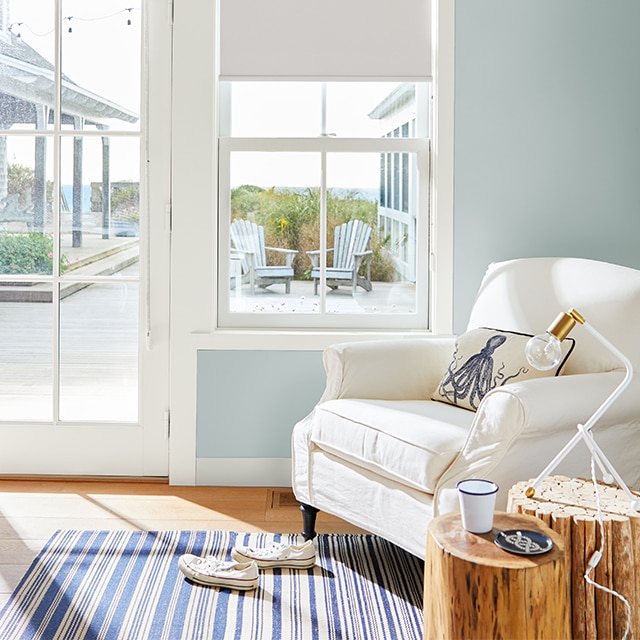
Soft, light hues create the illusion of space. Colors like soft blues, greens, and light grays stretch the walls visually. They reduce the feeling of confinement. Using one main light color on walls and ceiling helps unify the space.
Adding a slightly darker shade on trims or furniture adds depth. This layering prevents the room from feeling flat. Spaciousness grows with balanced color use and simple patterns.
Blurring Boundaries With Dark Colors
Dark colors can also expand a room’s feel by hiding edges. Painting an accent wall or ceiling dark creates a cozy, enveloping space. This technique blurs the boundaries of the room. Dark blues, greens, or charcoal shades work well.
Using dark colors in corners or on small walls can make the space feel deeper. Pair dark shades with light colors for contrast. This mix adds interest without shrinking the room.
Popular Color Palettes
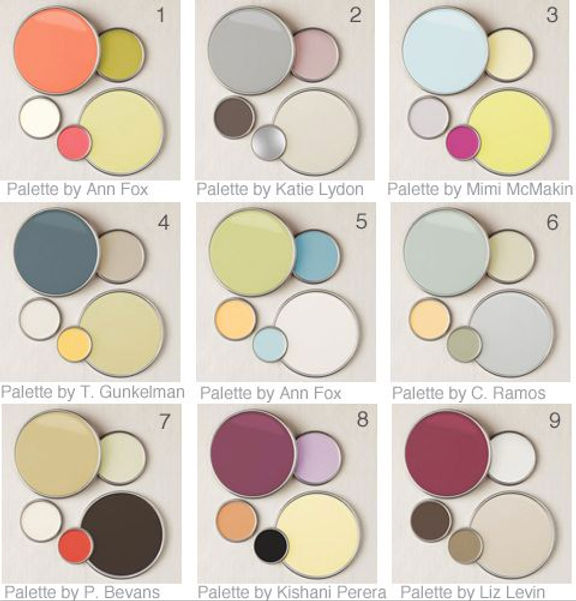
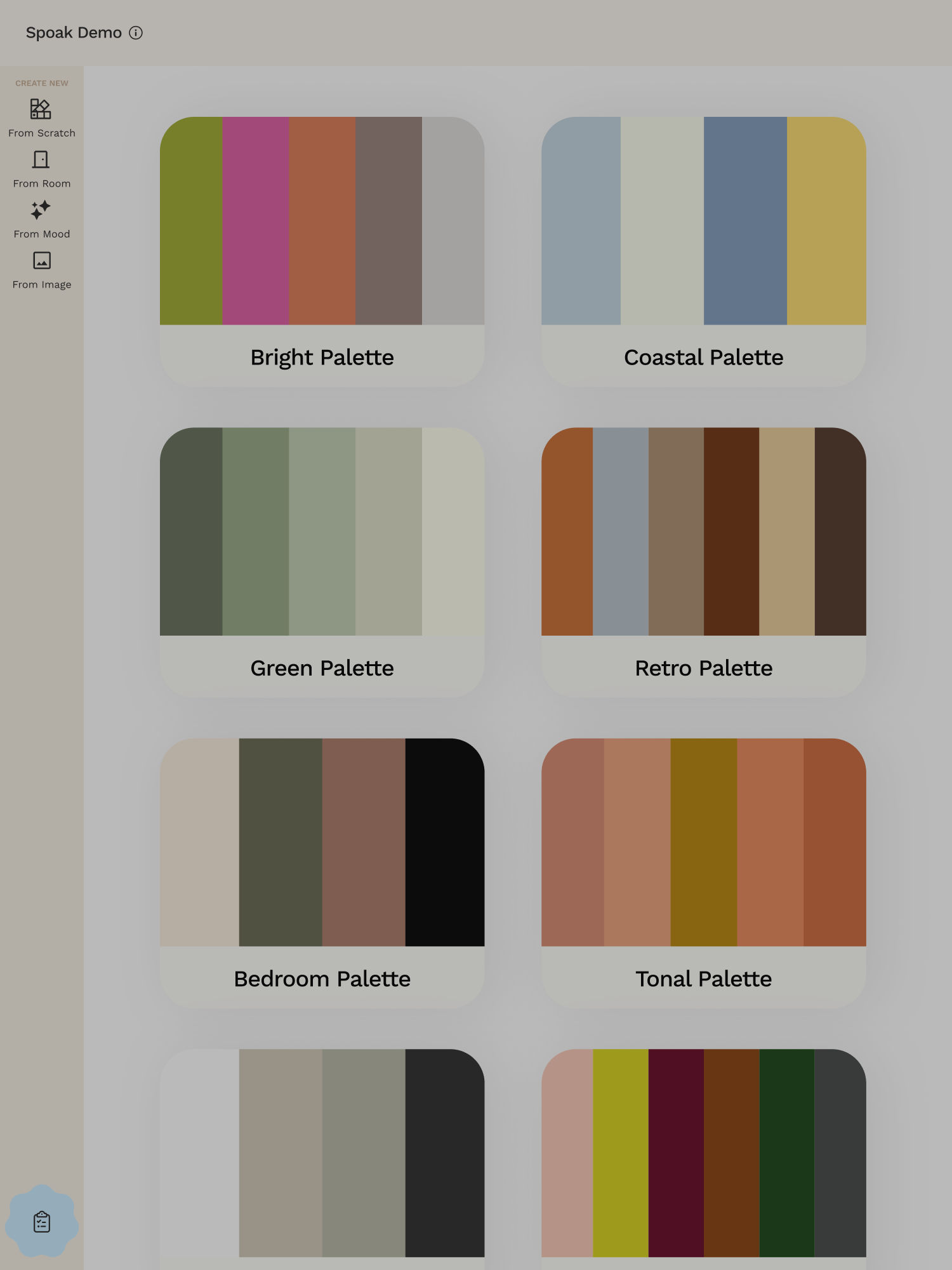
Choosing the right color palette can transform small spaces. It creates a sense of openness and style without crowding the room. Popular palettes blend simplicity with charm to maximize space visually. Here are some of the most loved color choices for small areas.
Earth Tones With Pops Of Color
Earth tones bring warmth and calm to any small room. Shades like beige, soft browns, and muted greens create a cozy base. Adding pops of bright color, such as mustard yellow or teal, adds interest and energy. This mix keeps the space lively but not overwhelming. Use colorful cushions or art pieces for easy updates.
Soft Pastels For Openness
Soft pastels make rooms feel larger and airy. Colors like pale pink, light blue, and mint reflect light well. They create a gentle, soothing atmosphere that welcomes relaxation. Pastels work great on walls and furniture alike. Pair them with white trim to enhance brightness and openness.
Monochromatic Schemes
Monochromatic schemes use variations of one color to create harmony. This approach reduces visual clutter and adds depth. For example, different shades of gray or blue can make a room feel sleek and spacious. Layer textures and finishes to keep the look interesting. It’s a simple way to add style without complexity.
Credit: www.spoak.com
Applying Color Palettes
Applying a color palette in small spaces requires careful thought. Colors can make a room feel larger or cramped. Choosing and placing colors smartly enhances space and comfort. Here is how to apply your palette effectively.
Using A Fourth Neutral Color
Add a fourth color as a neutral tone. This color should support, not compete with, your main hues. Common choices include soft grays, warm beiges, or charcoal. Use it for small decor, picture frames, or pillows. This adds depth without cluttering the space.
Balancing Vibrant Hues
Bright colors bring energy but can overwhelm small rooms. Balance them with softer, muted shades. Use vibrant colors on one or two accent walls or in accessories. Keep the rest of the space calm with lighter tones. This prevents the room from feeling busy or tight.
Matching Walls, Trim, And Ceiling
Paint walls, trim, and ceiling in related shades. Use lighter tones for ceilings to open the room. Trim can be a few shades lighter or darker than walls. This creates a smooth transition and adds interest. Avoid harsh contrasts that break the flow and shrink space.
Tips For Sampling Paint
Sampling paint is a smart step before painting small spaces. It helps you see how colors look on your walls. Paint can look very different on a small wall compared to a large one. Testing paint saves time and money by avoiding mistakes. Follow these tips to test paint effectively and choose the best colors for your space.
Testing Off-whites
Off-whites are popular for small rooms because they brighten the space. Many off-whites have subtle undertones like blue, yellow, or pink. Test several off-white shades on your walls. Paint large swatches in different spots to see the color clearly. Let the paint dry fully before judging the color. Off-whites can look warm or cool depending on the light.
Observing Light Reflection
Light changes how paint looks on walls. Observe how natural light hits your paint samples at different times. Morning light is cooler and sharper. Afternoon light tends to be warmer and softer. Also, check how artificial light affects the color in the evening. Watch for dullness or harshness caused by light reflection. Choose a color that feels inviting all day.
Adjusting Based On Room Orientation
The direction your room faces affects paint color. North-facing rooms get cooler, less sunlight. Use warmer tones to add coziness in these rooms. South-facing rooms have strong natural light. Cooler colors can balance the warmth here. East-facing rooms catch morning sun, so soft colors work well. West-facing rooms get late light, making colors look richer. Match your paint choice to the room’s orientation for best results.
Credit: www.benjaminmoore.com
Conclusion
Choosing the right color palette can truly brighten small spaces. Light, soft hues reflect light and create a feeling of openness. Neutral tones and pastels work well to make rooms feel larger. Avoid dark or heavy colors that can shrink the space visually.
Use one or two accent colors to add personality without cluttering. Testing colors in natural light helps find the perfect shade. With simple color choices, small rooms can look fresh and inviting. A thoughtful palette turns limited space into a cozy, stylish home.