
Are you curious about how container house design could transform your idea of home? Imagine living in a space that’s not only stylish and modern but also eco-friendly and budget-conscious.
Container homes offer a fresh approach to housing, blending creativity with practicality. Whether you want a quick build or a unique, custom space, understanding container house design helps you make smart choices that fit your lifestyle and wallet. Keep reading to discover how these innovative homes work, what makes them affordable—or costly—and if a container house could be the perfect fit for your next living space.
Credit: www.youtube.com
Benefits Of Container Homes
Container homes offer many benefits that attract homeowners and builders alike. These homes use old shipping containers as the main structure. This approach changes traditional building methods. Container house design provides practical and eco-friendly solutions for modern living.
These homes fit well in urban and rural areas. They combine style, efficiency, and sustainability. The benefits often outweigh the challenges, making container homes a smart choice.
Cost Savings
Container homes cost less than many traditional houses. Buying used containers is cheaper than raw building materials. Construction time is shorter, reducing labor costs. Simple designs keep budgets low. Long-term expenses for maintenance and energy stay minimal. These savings appeal to budget-conscious buyers.
Eco-friendly Materials
Repurposing shipping containers reduces waste. It lowers the need for new materials. Steel containers are strong and recyclable. Using them helps decrease environmental impact. Many container homes add insulation with natural or recycled materials. This choice supports green living goals.
Speed Of Construction
Building with containers takes less time than traditional homes. Containers arrive ready to use, cutting down prep work. Modular design allows easy stacking and connecting. Faster build times mean quicker move-ins. This speed suits those needing homes quickly.
Durability And Maintenance
Shipping containers are made of tough steel. They resist harsh weather, pests, and fire well. Proper coatings prevent rust and corrosion. Container homes need less repair over time. Their strong frames ensure long-lasting stability. Maintenance remains simple with occasional checks.
Credit: fireflyandfinch.com
Cost Factors To Consider
Cost plays a big role in container house design decisions. Understanding key cost factors helps plan a budget. Expenses vary widely based on build choices and local rules. Some costs are fixed, but many depend on design and labor.
Knowing where money goes allows better control over the project. It also prevents surprises during construction. Below are important cost factors to consider for container homes.
Diy Vs Professional Builds
Building a container home yourself can save money on labor. DIY projects cut costs but require skills and time. Mistakes may increase expenses or cause delays. Hiring professionals costs more upfront. Experts handle welding, plumbing, and electrical work safely. Professional builds often meet quality and code standards easier.
Complex Designs And Modifications
Simple container homes cost less. Adding multiple containers or unique features raises expenses. Cutting openings for windows and doors needs extra work. Custom layouts or adding decks increase material and labor costs. Structural changes demand engineering, which adds to the budget.
Permits And Regulations
Local permits are required for most container homes. Fees vary by city and county. Meeting building codes can require extra inspections and changes. Some areas have strict rules on container use. Failing to comply risks fines or needing costly corrections.
Insulation And Structural Needs
Containers need good insulation for comfort and efficiency. Proper insulation depends on climate and home use. Adding insulation costs materials and labor. Reinforcing the structure for safety or stacking containers adds expenses. These upgrades protect the home but raise the overall price.
Design Innovations
Design innovations in container house design push creativity and functionality. These ideas make container homes adaptable and stylish. Designers rethink space and structure to suit modern needs.
Innovations focus on flexibility, comfort, and a smooth connection to nature. They transform simple steel boxes into warm, livable homes. This section highlights key trends shaping container house design today.
Modular And Expandable Layouts
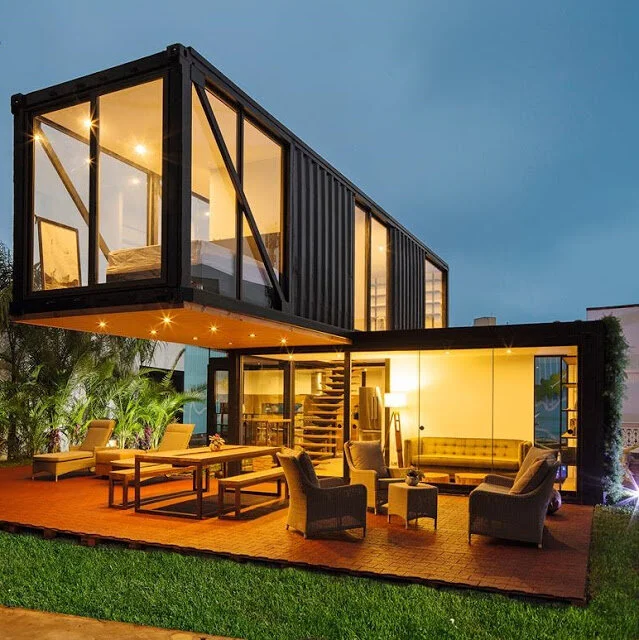
Modular designs allow easy expansion of container homes. Owners add or remove modules based on space needs. This flexibility supports growing families or changing lifestyles. Modules connect seamlessly to create larger living areas. Builders use this method to save time and money.
Open-concept Interiors
Open-concept layouts increase the feeling of space inside containers. Walls are minimized to create fluid, connected rooms. This design improves natural light flow throughout the home. It also supports multifunctional living areas. Open spaces feel less cramped and more inviting.
Minimalist Aesthetics
Minimalist design suits container homes perfectly. Clean lines and simple colors keep interiors calm and neat. This style reduces clutter and focuses on essential elements. Minimalism creates a modern look without extra decoration. It makes small spaces feel larger and more organized.
Indoor-outdoor Living
Indoor-outdoor living blends container homes with their surroundings. Large windows and sliding doors open to patios or gardens. This design expands usable space outside the container. It encourages fresh air and natural light inside. Connecting inside and outside improves comfort and lifestyle.
Overcoming Design Challenges
Designing a container house comes with unique challenges. These challenges need smart solutions. Addressing them well leads to comfortable and durable homes. Focus lies on insulation, space, structure, and comfort. Each area demands special attention for success.
Insulation Solutions
Containers are made of metal, which heats and cools fast. Proper insulation keeps the house warm in winter and cool in summer. Spray foam insulation works well by sealing gaps tightly. It also prevents moisture build-up. Using insulated panels adds extra protection and saves space. Reflective barriers can reduce heat gain in hot climates. Good insulation improves energy efficiency and comfort.
Maximizing Limited Space
Containers offer narrow, compact spaces. Clever design uses every inch efficiently. Built-in furniture like foldable beds and tables saves room. Vertical storage uses wall space without crowding the floor. Open floor plans create a feeling of spaciousness. Large windows bring in natural light, making interiors look bigger. Planning layout carefully avoids clutter and improves flow.
Structural Reinforcements
Containers are strong but need extra support for modifications. Cutting openings for doors and windows weakens the frame. Steel reinforcements restore strength at these points. Welding adds durability to joints. Foundations must support the container’s weight evenly. Adding braces helps resist wind and earthquakes. Proper structural work ensures safety and longevity.
Noise And Condensation Control
Metal walls can cause noise from rain and outside sounds. Adding soundproofing materials reduces noise inside. Acoustic panels or foam absorb sound waves effectively. Condensation forms when warm air meets cold metal. Vapor barriers stop moisture from damaging walls. Good ventilation keeps air dry and fresh. Controlling noise and moisture improves indoor comfort.
Sustainability And Energy Efficiency
Container house design offers a unique approach to sustainability and energy efficiency. These homes reuse existing materials, cutting down on waste. Their compact size helps reduce energy consumption. Thoughtful design features improve insulation and ventilation. Together, these factors make container homes eco-friendly and cost-effective.
Repurposing Shipping Containers
Shipping containers get a second life as homes. This reuse reduces the need for new building materials. Less raw material extraction means less harm to nature. Containers are strong and durable, making them ideal for housing. Using them cuts down on construction waste and landfill use.
Energy-saving Features
Container homes often include energy-saving elements. Good insulation keeps the inside temperature steady. Solar panels can provide clean electricity. LED lighting uses less power than traditional bulbs. Smart windows and ventilation reduce heating and cooling needs.
Low Environmental Impact
Container homes create fewer emissions than traditional builds. They need less water and energy to produce. Building on a small footprint preserves natural land. The steel structure lasts a long time, reducing replacement waste. Painting and treating containers with eco-friendly products lowers toxins.
Long-term Cost Benefits
Energy efficiency means lower utility bills over time. Durable materials reduce repair and maintenance costs. Smaller spaces use fewer resources for heating and cooling. The initial savings on materials can add up. A well-designed container home saves money in the long run.
Credit: jcoconstructionph.com
Permits And Zoning Issues
Building a container house requires more than just design and construction. Permits and zoning issues play a key role in the process. Understanding these rules helps avoid costly delays and legal problems. Each city or county has its own regulations that affect container homes. It is important to learn the local laws before starting your project.
Navigating Local Regulations
Local regulations often differ widely for container homes. Some areas treat container houses like traditional homes. Others classify them as temporary structures or accessory buildings. Check zoning laws to see if container homes are allowed. You may need special permits or approvals. Contact your city’s building department early. Submit detailed plans to get proper permits. Follow all rules to ensure your container home is legal.
Insurance Considerations
Insurance for container homes can be tricky. Some insurers do not cover non-traditional homes easily. Find a provider experienced with container houses. Provide accurate details about your home’s design and materials. Proper insurance protects your investment and gives peace of mind. Make sure your policy covers fire, weather, and liability risks. Review your insurance regularly as your home changes.
Resale Market Impact
Permits and zoning affect your home’s resale value. A properly permitted container home sells better. Buyers want assurance the home meets local codes. Lack of permits can lower home value or scare buyers away. Proper documentation also speeds up the sale process. Keep all permits and inspection records organized. This helps prove your container home is safe and legal.
Comparing Container Homes To Traditional Builds
Comparing container homes to traditional builds reveals key differences in cost, time, customization, and market acceptance. Each style has unique advantages and challenges. Understanding these aspects helps in making an informed decision about home design.
Cost Comparison
Container homes often start with lower costs than traditional houses. The steel containers are affordable and durable. Building quickly saves on labor expenses. Using recycled materials cuts waste and cost. Yet, complex designs raise prices. Custom welding and insulation add to expenses. Permits and local rules can increase fees. Traditional homes have steady material and labor costs. High-end container homes may match or exceed these costs. Overall, simple container homes are cheaper, but advanced designs can cost more.
Construction Time
Container homes are faster to build than traditional houses. The main structure exists already. Builders focus on modifications and interiors. This reduces time on site significantly. Traditional builds require foundation, framing, and more steps. Weather delays and inspections often slow progress. Container homes usually finish in weeks, not months. Faster construction means quicker move-in and less cost for labor. The speed appeals to those needing homes quickly.
Customization Options
Container homes offer flexible design options. Containers can be stacked or arranged in various ways. Walls can be added or removed easily. Interiors can be tailored to personal taste. But size limits and structural strength must be considered. Traditional homes allow more freedom in shape and size. Materials and designs vary widely. Both styles can include modern or classic features. Container homes fit minimalist and eco-friendly styles well. Traditional homes suit those wanting large, complex layouts.
Market Acceptance
Traditional homes enjoy wide market acceptance and resale value. Buyers recognize familiar designs and materials. Container homes are gaining interest but face skepticism. Some see them as temporary or less sturdy. Building codes and zoning laws vary by area. Acceptance grows in urban and eco-conscious communities. Container homes appeal to niche markets and younger buyers. Market acceptance depends on location and buyer preferences. Awareness and education are improving views on container homes.
Popular Container Home Styles
Container homes offer a fresh take on modern living. Their styles vary widely to fit different needs and tastes. Each style blends creativity with functionality. These homes can be compact or spacious, simple or elaborate.
Choosing the right container home style depends on lifestyle and space requirements. Some designs focus on minimalism, while others prioritize family comfort or urban efficiency. Let’s explore popular container home styles that inspire many builders today.
Tiny Homes
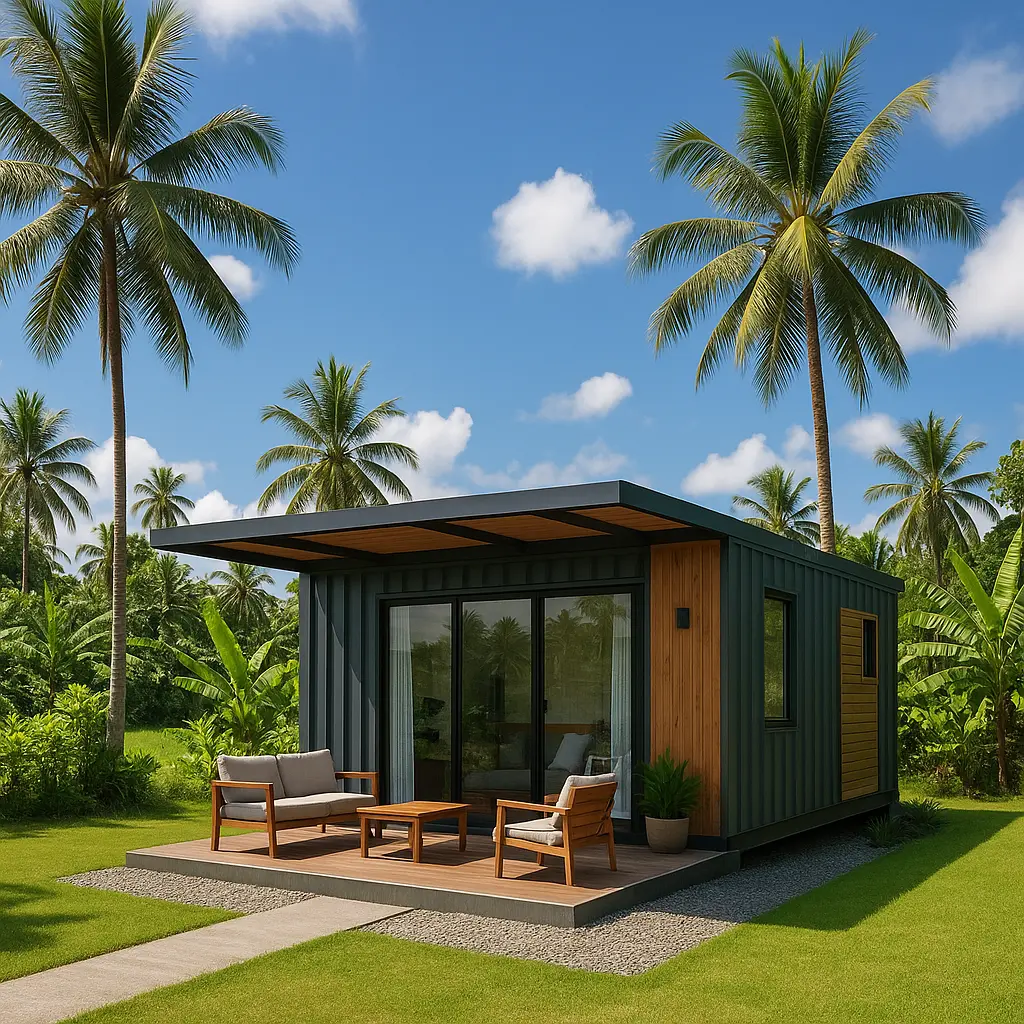
Tiny container homes maximize small spaces with smart design. They often serve as affordable starter homes or guesthouses. These homes use every inch wisely, combining living, sleeping, and cooking areas. Their compact size means lower costs and easier maintenance.
Family Residences
Family container homes expand space with multiple containers. They create separate rooms for privacy and comfort. Families enjoy flexible layouts with living rooms, bedrooms, and play areas. These designs focus on safety and durability for daily life.
Vacation Retreats
Container homes make perfect vacation retreats near nature. They offer cozy, stylish escapes with easy setup and mobility. Many include outdoor decks and large windows. These homes blend indoor comfort with outdoor relaxation.
Urban Living Spaces
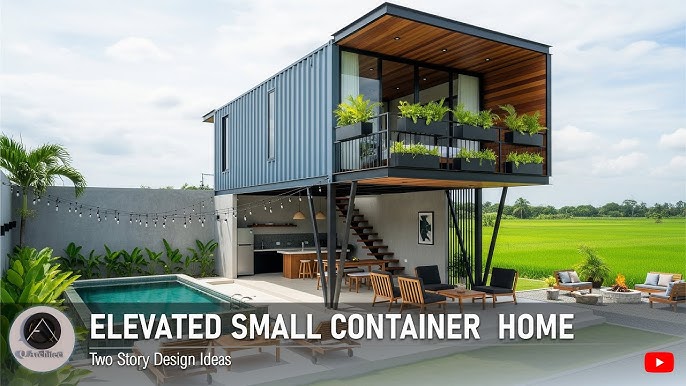
Urban container homes fit well in tight city plots. They use vertical stacking to save ground space. These homes often have modern, sleek designs with open plans. Urban dwellers enjoy affordable, unique housing close to city life.
Conclusion
Container house design offers a simple, eco-friendly housing option. These homes build fast and often cost less upfront. Steel frames provide strength and reduce maintenance needs. Custom designs and insulation can raise expenses. Local rules may affect your budget too.
Overall, container homes blend style, savings, and sustainability well. They suit those wanting affordable, modern living spaces. Consider your needs and local codes before starting. Container homes can be smart choices for many people.