
Looking to transform your outdoor space into a charming, colorful haven? Cottage garden ideas offer you the perfect way to create a lush, inviting garden that feels warm and welcoming.
Imagine your garden bursting with a mix of flowers, herbs, and veggies, winding paths that invite you to explore, and cozy nooks that make you want to linger. Whether you have a small backyard or a spacious yard in Austin, Texas, these simple yet stunning ideas will help you build a garden full of life and personality.
Ready to discover how to craft your own cottage-style paradise? Let’s dive into tips and tricks that make your garden not just beautiful, but truly yours.
Credit: www.countryliving.com
Plant Layering
Plant layering is key to a beautiful cottage garden. It creates depth and interest by arranging plants of different heights. This technique helps every plant get enough sunlight. It also makes the garden look full and natural. Layering combines tall, medium, and low plants to form a charming, colorful space. Each layer plays an important role in the garden’s overall design.
Tall Plants At The Back
Tall plants form the garden’s backdrop. They stand behind other plants to avoid blocking light. Hollyhocks, foxgloves, and sunflowers work well here. These plants add height and structure. They also attract pollinators like bees and butterflies. Planting tall species at the back keeps the garden tidy and balanced.
Medium Height Perennials
Medium height perennials create the middle layer. Lavender, catmint, and daisies are perfect choices. These plants fill space between tall and low layers. They offer color and texture without hiding smaller plants. This layer adds softness and charm to the garden. It also supports a variety of insects and birds.
Low Growers And Self-seeders
Low growers and self-seeders cover the front of the garden. Alyssum, forget-me-nots, and creeping thyme are popular picks. These plants spread easily and fill empty spaces. They create a carpet of flowers and greenery. Self-seeders come back year after year, reducing replanting work. This layer completes the garden’s lush, overflowing look.

Credit: www.countryliving.com
Pathways And Layout
Pathways and layout form the heart of a cottage garden’s charm. They guide visitors through a lush, colorful space full of life. Thoughtful design creates a natural flow and invites exploration. The right paths blend seamlessly with the garden’s informal style. They also protect delicate plants while adding structure and beauty.
Curving, soft edges feel welcoming and relaxed. A well-planned layout balances open areas with dense planting. This creates a cozy, intimate atmosphere. The pathways become part of the garden story, not just functional routes.
Winding Brick And Gravel Paths
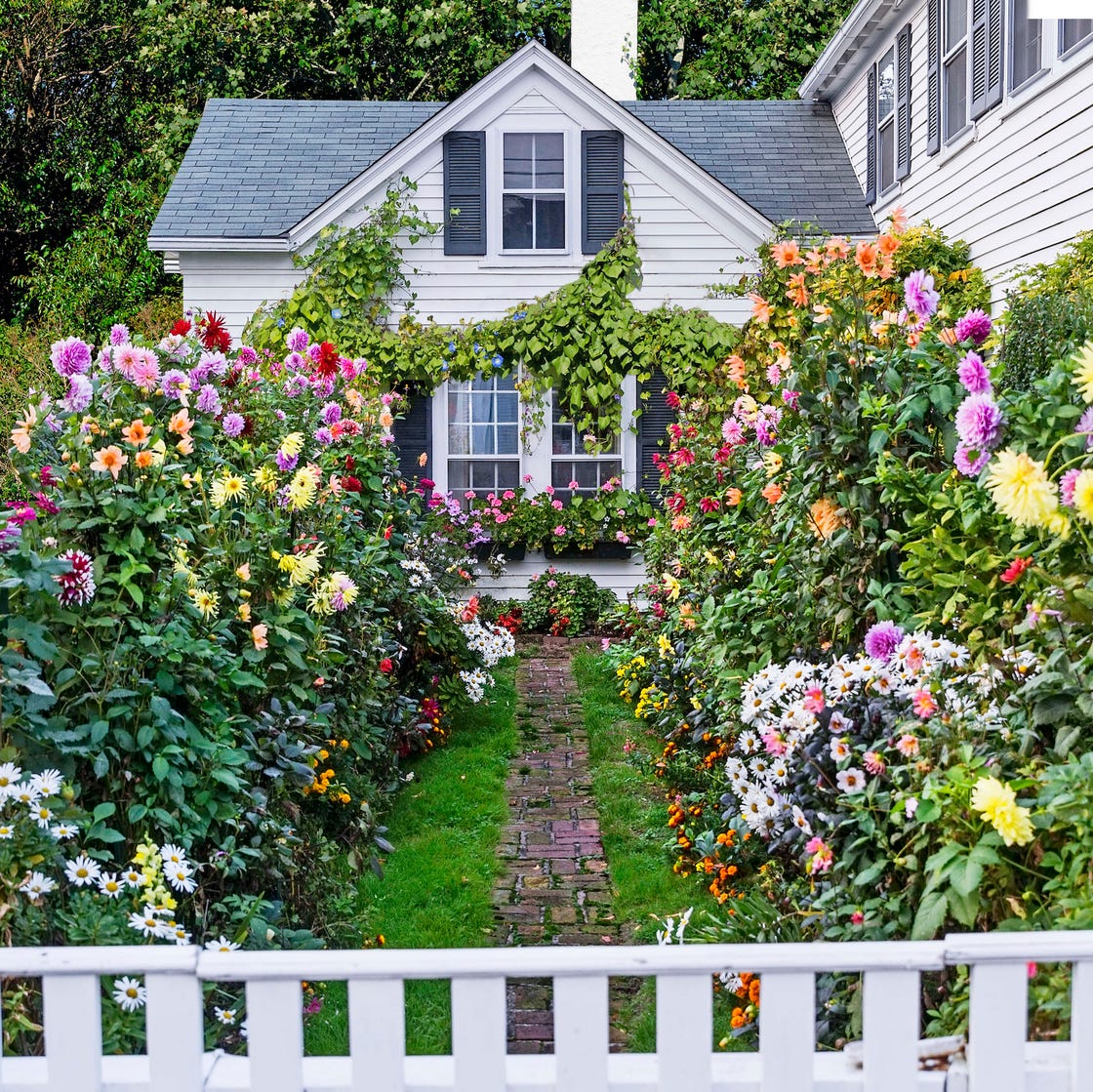
Winding paths add a whimsical touch to any cottage garden. Brick and gravel are perfect materials for this style. Bricks bring warmth and a timeless look. Gravel offers a light, natural feel and gentle crunch underfoot.
Curves slow the pace, encouraging visitors to pause and enjoy. Paths can twist around flower beds or lead to secret garden spots. This layout enhances the sense of discovery and surprise.
Mixing brick and gravel can create contrast and texture. Both materials drain well, keeping paths usable in all weather. Choose soft earth tones to complement the garden’s colors.
Edging Paths With Plants
Plant edging softens the borders of garden paths. Low-growing flowers and herbs frame walkways beautifully. Lavender, thyme, and alyssum work well for edging. Their scents and colors add sensory charm.
Edging plants prevent soil from spilling onto paths. They also guide visitors naturally along the route. This technique blends the hardscape with the garden’s lush greenery.
Choose plants that stay neat and do not overgrow. Regular trimming keeps edges tidy and inviting. Edged paths feel more organic and cozy than bare borders.
Mixing Edibles And Flowers
Mixing edibles and flowers in a cottage garden creates a vibrant and useful space. This blend adds color, texture, and life to your garden. It also allows you to enjoy fresh produce alongside beautiful blooms. The combination helps attract pollinators and keeps pests away naturally. This approach suits the informal, layered style of cottage gardens perfectly.
Incorporating Fruits And Vegetables
Fruits and vegetables fit well in a cottage garden. Plant small fruit bushes like blueberries or raspberries near flower beds. Tomatoes and beans grow nicely among tall flowers like hollyhocks. Choose vegetables that add height and color to your garden. Carrots, lettuce, and radishes work well as low-growing plants. Mixing these with flowers softens the garden’s look and boosts its productivity.
Herbs For Flavor And Fragrance
Herbs bring scent and taste to your cottage garden. Rosemary, thyme, and sage thrive alongside flowers like lavender and daisies. Plant herbs near pathways or seating areas for easy harvest and fragrance. Basil and mint add fresh aromas and help repel insects. These herbs fit naturally into the garden’s layered design. They offer both beauty and kitchen use in one space.
Choosing Plants
Choosing plants shapes the heart of a cottage garden. Plant selection sets the tone and style of your space. A cottage garden looks best when plants grow freely and blend naturally. The right mix creates layers of color, texture, and scent. Consider flowers, herbs, vegetables, and climbers. Balance beauty with function to craft a lively garden full of charm and life.
Classic Cottage Flowers
Classic flowers bring timeless beauty to any cottage garden. Foxgloves stand tall with their bell-shaped blooms. Hollyhocks add height and vintage charm along fences. Lavender offers fragrance and soft purple hues. Sweet peas climb and perfume the air. Daisies and cosmos add light, cheerful touches. These flowers create a soft, romantic feeling. Plant them in groups for natural impact.
Self-seeding Options
Self-seeding plants keep your garden full year after year. Forget-me-nots spread easily and fill spaces with blue blooms. Alyssum carpets the ground with tiny white flowers. Poppies drop seeds that grow into wild, bright patches. Let these plants scatter freely for a relaxed, informal look. They reduce work by reappearing naturally each season. This adds to the garden’s wild, cottage style.
Herbs And Vegetables
Herbs and vegetables add both beauty and purpose. Rosemary and sage provide scent and texture. Parsley and chives offer green accents and fresh flavors. Tomatoes and peas climb and produce food. Mixing edibles with flowers makes the garden more useful. It also reflects the old cottage garden tradition. Plant herbs near paths or seating for easy access.
Vertical Climbers
Vertical climbers add height and structure to a cottage garden. Clematis blooms with vibrant colors on trellises. Sweet peas twine around supports with fragrant flowers. Climbing roses bring classic charm and sweet scents. Morning glories open bright, trumpet-shaped flowers daily. These climbers fill empty spaces upward and soften fences. Use them to create cozy corners and natural walls.
Focal Points
Focal points bring charm and character to a cottage garden. They create visual interest and invite visitors to pause. Thoughtful placement of garden features guides the eye through the space. This balance between plants and structures makes the garden feel cozy and inviting.
Birdbaths And Benches
Birdbaths attract birds, adding life and movement to the garden. Their gentle water sounds enhance the peaceful atmosphere. Choose vintage or stone designs for a timeless cottage look. Benches provide a quiet spot to relax and enjoy the garden’s beauty. Wooden or wrought iron benches blend well with cottage style. Position benches near colorful flower beds or under shady trees for comfort.
Trellises And Arbors
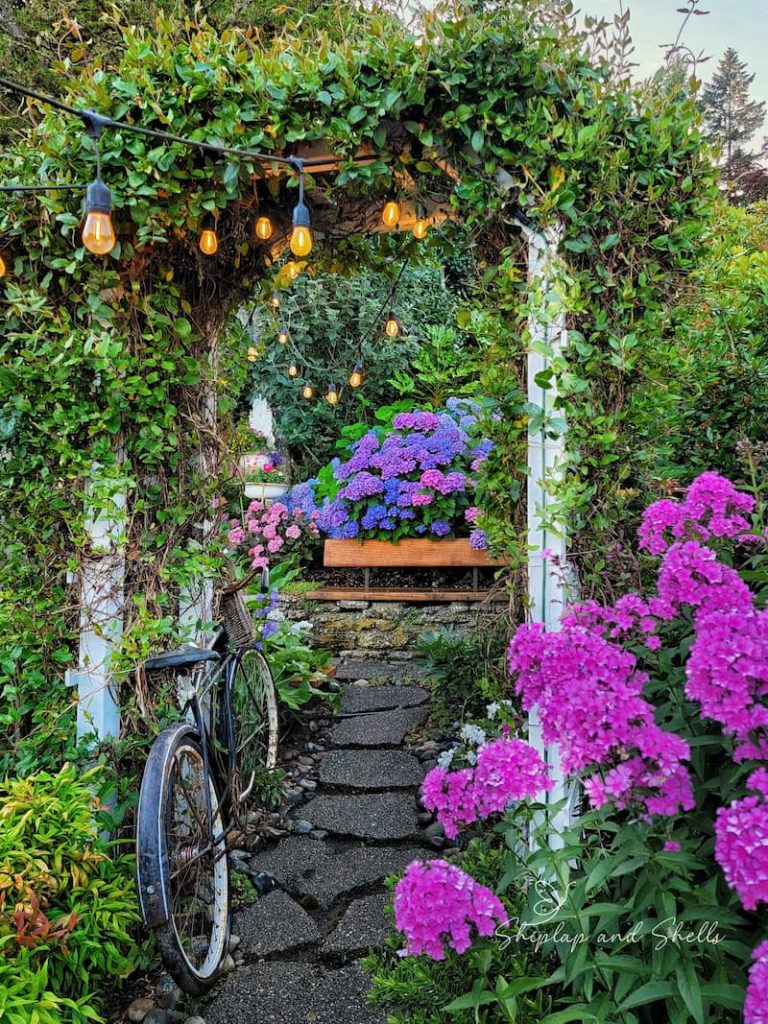
Trellises and arbors add height and structure to the garden. They support climbing plants like roses, clematis, and sweet peas. These vertical elements create a sense of enclosure and privacy. Arbors make lovely entrances or define garden rooms. Pick rustic materials like wood to keep the natural, old-world charm. Their shapes and plants draw the eye upward and add depth to the garden.
Garden Boundaries
Garden boundaries shape the look and feel of a cottage garden. They define spaces and add charm. Boundaries create a cozy, enclosed area that feels inviting and peaceful.
Choosing the right boundary helps keep the garden neat. It also supports the plants and enhances the overall style. Two popular options for cottage gardens are low picket fences and stone walls with hedges.
Low Picket Fences
Low picket fences bring a classic cottage garden touch. Their simple, upright slats create a friendly, open look. These fences mark the garden edges without blocking views.
Paint them white or soft pastel colors for a fresh feel. They blend well with climbing roses, clematis, or morning glories. The plants weave through the fence, adding softness and color.
Low picket fences also keep small pets or children safe. They define paths and separate flower beds from the lawn. This boundary style invites visitors into the garden gently.
Stone Walls And Hedges
Stone walls offer a rustic, natural boundary perfect for cottage gardens. Their rough texture contrasts with soft plants beautifully. Walls can be low for seating or higher for privacy.
Use local stones to match the landscape and reduce costs. Stone walls last long and require little upkeep. They create a sturdy frame around the garden.
Hedges complement stone walls well. Boxwood, lavender, or hawthorn hedges add greenery and fragrance. They soften the hard edges of the stones and attract birds.
Combining stone walls with hedges creates layered boundaries. This mix adds depth and interest to the garden design. It feels both wild and cared for at the same time.
Rustic Decor
Rustic decor brings warmth and charm to any cottage garden. It uses simple, natural materials and old-fashioned styles. This style feels cozy and inviting, blending well with lush plants and flowers. Rustic elements create a peaceful, timeless garden space. They add character and a touch of history to outdoor areas.
Vintage Furniture And Pots
Old wooden benches and metal chairs fit perfectly in a rustic garden. They show signs of age and use, adding a natural look. Vintage pots made of clay or worn metal hold colorful flowers and herbs. These pieces create a nostalgic feel and invite visitors to sit and enjoy the garden’s beauty. Mixing different shapes and sizes of pots adds visual interest.
Handmade Garden Ornaments
Handcrafted decorations bring personality to rustic gardens. Items like carved wooden signs, stone birdbaths, and metal wind spinners add charm. These unique pieces often have simple designs that blend well with plants. They make the garden feel cared for and special. Using natural materials keeps the style authentic and grounded.
Soil And Watering
Soil and watering play a vital role in creating a thriving cottage garden. Healthy soil provides nutrients and supports strong plant growth. Proper watering keeps plants hydrated without causing stress. These two factors together ensure your garden blooms beautifully throughout the seasons.
Using Rich Organic Soil
Choose soil rich in organic matter for your cottage garden. Organic soil improves drainage and retains moisture well. It also feeds plants with essential nutrients. Mix compost or well-rotted manure into your garden beds. This creates a fertile environment where flowers and herbs can flourish. Avoid heavy clay or sandy soils without adding organic material first.
Mulching Techniques
Mulching helps keep soil moist and cool. Use natural mulches like straw, shredded leaves, or bark chips. Spread mulch evenly around plants but keep it away from stems. Mulch suppresses weeds that compete for water and nutrients. It also reduces soil erosion and adds organic matter as it breaks down. Regularly check mulch depth and replenish it as needed.
Water Access And Needs
Plan your garden layout with easy water access. Use soaker hoses or drip irrigation for efficient watering. These methods deliver water directly to roots, reducing waste. Water plants early in the morning or late in the evening to limit evaporation. Adjust watering based on weather and plant type. Overwatering can harm roots, while underwatering stresses plants.
Credit: shiplapandshells.com
Conclusion
Creating a cottage garden brings nature’s charm close to home. Use a mix of flowers, herbs, and vegetables for a lively look. Curving paths and rustic features add character and ease. Let plants grow freely for a natural, welcoming feel.
Small details like birdbaths or benches create cozy spots to enjoy. Start simple and watch your garden bloom over time. This style suits any space and invites relaxation. Embrace the joy of gardening with these timeless ideas.