
Struggling to make your small space feel cozy and stylish? You’re not alone.
Decorating a compact room can feel like a puzzle, but with the right tips, you can turn your limited square footage into a beautiful, functional haven. Imagine walking into your space and feeling instantly relaxed, without the clutter or cramped feeling.
Whether it’s a tiny apartment, a cozy nook, or a compact living room, these decorating tips will help you maximize every inch while reflecting your personal style. Ready to transform your small space into a place that feels larger, lighter, and truly yours? Keep reading—you’ll discover simple tricks that make a big impact.
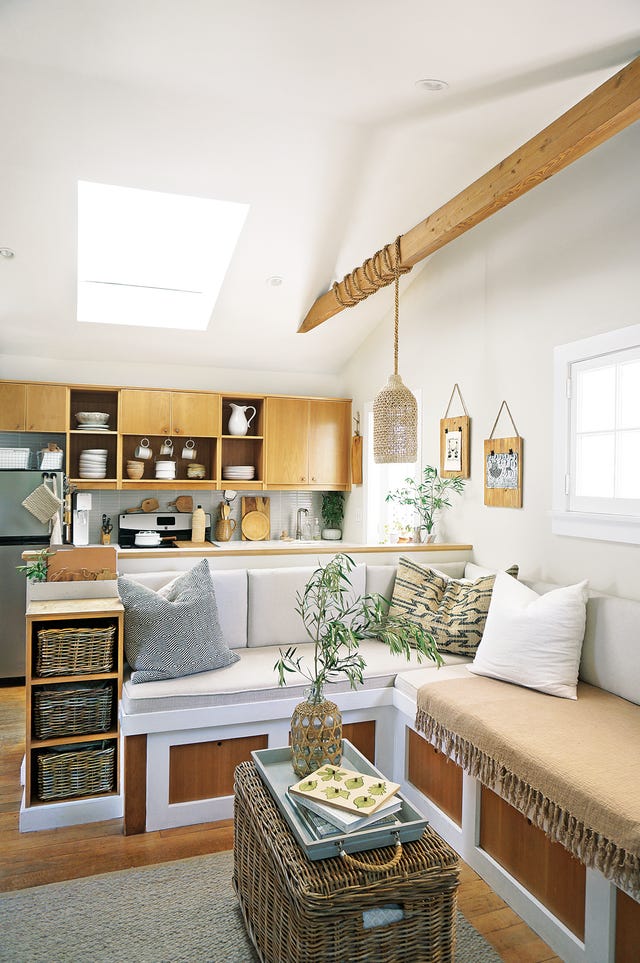
Credit: www.elledecor.com
Light Colors
Light colors play a key role in decorating small spaces. They create a sense of openness and airiness. Choosing the right light shades can visually expand your room. They keep the atmosphere fresh and welcoming. Light colors reduce the feeling of clutter and tightness.
Using light tones on walls and decor helps to brighten the room. They reflect more natural and artificial light. This reflection makes the space feel larger and more inviting. Light colors also provide a calm and soothing backdrop for your furnishings. This approach helps small rooms feel less cramped.
Wall Shades
Walls painted in light shades can open up a room instantly. White, cream, soft gray, and pale pastels work very well. These colors bounce light around the room. They stop the walls from closing in on the space. Light walls create a clean and fresh look. They also blend easily with different decor styles.
Choosing matte or eggshell finishes on walls helps reduce glare. This keeps the room comfortable and bright. Avoid dark or bold colors on walls, as they tend to absorb light. Stick to light shades to maintain a feeling of spaciousness.
Reflecting Light
Light colors reflect both natural and artificial light effectively. Reflective surfaces like glossy paint or light-colored furniture enhance this effect. Mirrors and glass items amplify the brightness by bouncing light around. This reflection tricks the eye into seeing more space.
Placing light colors near windows or light sources maximizes their impact. Reflecting light reduces shadows and dark corners. It creates a soft, even glow that makes small spaces feel airy. Use light-colored rugs, cushions, and curtains to continue the theme. This creates a harmonious and spacious environment.
Pattern Mixing
Pattern mixing brings life and personality to small spaces. It breaks monotony and adds visual interest without clutter. This technique uses various prints and textures to create a balanced, dynamic look. Thoughtful pattern mixing can make a small room feel cozy yet stylish.
Choosing Patterns
Start with selecting patterns that differ in scale and style. Choose one large print, one medium, and one small pattern. Examples include bold stripes, delicate florals, and subtle geometric shapes. Use patterns in soft or contrasting colors for variety. Limit the color palette to three or four shades. This keeps the space unified and not overwhelming.
Combining Prints
Mix patterns with shared colors to create harmony. Place a floral pillow on a striped sofa to blend styles. Use rugs and curtains with different prints but similar hues. Add texture through fabrics like velvet or linen to deepen interest. Balance busy patterns with solid colors in furniture or walls. This prevents the space from looking too crowded or chaotic.
Blending Design Eras
Blending design eras brings charm and personality to small spaces. It allows a unique look without crowding the room. Combining different styles creates visual interest and depth. The key is balance and thoughtful selection of pieces. This approach highlights your style while keeping the space open and inviting.
Mixing Furniture Styles
Choose furniture from different time periods to create contrast. Pair a vintage chair with a modern sofa for a fresh look. Keep shapes simple to avoid overwhelming the room. Use similar colors or materials to tie pieces together. This mix adds character without making the space feel cluttered.
Using Art And Accessories
Select artwork and accessories from various design eras to enhance the theme. A classic frame with contemporary art creates a striking effect. Use small items like vases or lamps that reflect different styles. Limit the number to prevent visual chaos. These touches bring personality and make the room feel curated.
:max_bytes(150000):strip_icc()/SPR-small-guest-room-ideas-4801209-6276d7d6025f4c43b10aa7ff80ed3f24.jpg)
Credit: www.thespruce.com
Color And Texture
Color and texture play a key role in making small spaces feel inviting and spacious. Using the right colors brightens the room and creates the illusion of more space. Texture adds depth and interest, preventing the area from feeling flat or dull. Together, they transform a small space into a cozy, stylish haven.
Incorporating Multiple Colors
Mixing several colors can energize a small room. Choose a light base color for walls to keep the space airy. Add pops of brighter or darker shades in accessories like pillows or artwork. This method breaks monotony and adds personality without overwhelming the space.
Limit the color palette to three or four hues to maintain harmony. Use colors that complement each other for balance. For example, soft blues with warm neutrals create a calm yet dynamic feel. Experiment with bold accents like mustard or teal for visual interest.
Adding Texture Layers
Layering textures creates a tactile experience and visual richness. Combine smooth, rough, soft, and shiny surfaces to add dimension. Think velvet cushions, woven rugs, wooden furniture, and metallic decor pieces.
Textured fabrics like boucle or linen make seating areas feel cozy. Natural materials such as wood or grasscloth on walls add warmth. Metallic finishes reflect light and give a subtle sparkle. These layers keep small rooms feeling dynamic and inviting.
Odd Number Groupings
Using odd number groupings is a smart way to decorate small spaces. Odd numbers like three, five, or seven create a natural balance. They make arrangements feel lively and interesting. This technique helps avoid symmetry that can look stiff or boring. Grouping items in odd numbers draws the eye smoothly across the space. It adds a creative touch without cluttering. Here are practical ways to use odd number groupings in different scales.
Small Vignettes
For small areas like shelves or side tables, group three objects together. Choose pieces that vary in height and shape. This mix adds movement and avoids flatness. Examples include a small plant, a candle, and a photo frame. Keep colors and textures simple to prevent visual overload. Small vignettes with odd numbers feel intentional and stylish.
Medium Groupings
Use five items for medium surfaces such as mantels or console tables. Mix heights and widths to create depth. Combine functional and decorative objects like books, vases, and sculptures. Vary the materials to add texture. This grouping size fills space without crowding it. Odd groupings here maintain interest and flow.
Large Compositions
Seven or more items work well for large walls or big shelves. Arrange art, plants, and decor in clusters. Balance heavier pieces with lighter ones. Use odd numbers in clusters within the larger group to keep order. Large compositions with odd groupings feel dynamic and balanced. They help small spaces appear curated and spacious.
Furniture Choices
Choosing the right furniture is key for decorating small spaces effectively. The right pieces can save space and add style without making the room feel crowded. Focus on furniture that serves more than one purpose and fits the size of your room perfectly. Smart furniture choices help create a balanced and functional living area.
Multi-functional Pieces
Multi-functional furniture works hard in small spaces. A sofa bed offers seating and a place to sleep. Ottomans with storage keep clutter out of sight. Foldable tables and chairs can be tucked away when not in use. These pieces maximize space and reduce the need for extra furniture.
Look for items that combine comfort with utility. For example, a coffee table with shelves or drawers adds storage and style. Choosing furniture that adapts to your needs keeps your space open and organized.
Scale And Proportion
Size matters in small spaces. Large furniture can overwhelm a small room. Choose pieces that fit the scale of your space. Compact sofas, slim chairs, and low-profile tables work well.
Keep proportion in mind. Tall furniture can make a room feel cramped. Instead, select pieces with clean lines and simple shapes. This creates an airy feeling and allows for easy movement.
Measure your space before buying furniture. This prevents overcrowding and makes the room feel balanced. Proper scale and proportion improve both comfort and style in small spaces.
Storage Solutions
Storage solutions are essential in small spaces. They help keep areas tidy and organized. Good storage creates room for daily activities without clutter. Clever storage ideas make small rooms feel larger and more open.
Hidden Storage
Hidden storage saves space by keeping items out of sight. Use furniture with built-in compartments. Beds with drawers underneath are perfect for extra linens. Ottoman seats can open up to store blankets or books. Wall niches or recessed shelves provide storage without taking space. Hidden storage helps keep rooms neat and visually calm.
Vertical Space Use
Vertical storage uses walls to free up floor space. Install tall shelves to hold books and decor. Hang hooks or pegboards for bags, coats, or kitchen tools. Use stacked storage bins or baskets to organize smaller items. High cabinets make use of unused space near the ceiling. Vertical storage adds function without crowding the room.
Lighting Ideas
Lighting plays a key role in decorating small spaces. It can change the mood and make rooms feel bigger. Proper lighting helps highlight the best parts of your space. It also adds warmth and comfort to tight areas. Use smart lighting ideas to brighten your home without clutter.
Layered Lighting
Layered lighting means using different light sources at once. Combine ambient, task, and accent lights for balance. Ambient light gives general brightness to the room. Task lighting helps with specific activities like reading or cooking. Accent lights highlight artwork or architectural details. This mix makes the space feel open and inviting. Use wall sconces, table lamps, and ceiling lights together. Avoid harsh overhead lights that create shadows. Soft, warm bulbs work best for small rooms.
Natural Light Maximization
Natural light opens up small spaces instantly. Use sheer curtains or no curtains to let light flow in. Keep windows clean for maximum brightness. Place mirrors opposite windows to reflect sunlight deeper inside. Choose light-colored walls and furniture to boost brightness. Avoid heavy or dark window treatments that block light. Position furniture to allow light to move freely. Natural light improves mood and saves energy too.
Wall Art Tips
Wall art can transform small spaces by adding character and style without taking up floor space. Choosing the right pieces creates a cozy, personalized atmosphere. Smart art choices make your walls a focal point and enhance the room’s depth.
Creating Galleries
Group several small artworks to form a gallery wall. Arrange frames closely to maximize wall space. Use similar colors or themes for a cohesive look. Vary frame sizes but keep the same style for balance. Galleries draw the eye upward, making rooms feel taller. Change art seasonally to refresh the space without clutter.
Using Statement Pieces
Choose one large piece to anchor your room visually. A bold painting or print adds personality without crowding. Place it on a main wall for instant impact. Statement art can set the color palette for the entire room. Avoid too many large pieces to keep the space open. Let the statement piece breathe with empty space around it.
Personal Style
Personal style plays a key role in decorating small spaces. It transforms a simple room into a reflection of who you are. Every item you choose can tell a story. Your space becomes more than just a place to live. It becomes a unique environment that feels comfortable and inviting.
Small spaces need careful attention to style. Every choice matters because of limited room. Balancing your tastes with space needs creates harmony. The result feels both personal and practical.
Curating Unique Spaces
Creating a unique space means mixing patterns, colors, and textures thoughtfully. Choose three distinct patterns like stripes, florals, or geometric shapes. Use these in rugs, pillows, or curtains. Blend four styles from different periods, such as Traditional and Mid-Century Modern. Add five different colors and textures to add depth. Think velvet, wood, metal, or grasscloth. This mix adds interest and makes your small space feel rich and layered.
Balancing Function And Style
Small spaces must work hard for you. Furniture should be stylish but also functional. Pick pieces that serve multiple purposes, like a sofa bed or storage ottoman. Keep decor simple but meaningful. Avoid clutter by selecting items that match your style and needs. This balance keeps your home organized and visually appealing. It allows your personality to shine without overcrowding.
:strip_icc()/small-space-decorating-mistakes_final_edited1-e9ff725500094ea1a99d76a7f8738a25.png)
Credit: www.mydomaine.com
Conclusion
Small spaces can feel cozy and stylish with the right choices. Use light colors to open up the room visually. Mix patterns and textures carefully to add interest without clutter. Choose furniture that fits well and serves multiple purposes. Keep decorations simple but meaningful.
These tips help make small areas feel larger and more inviting. Decorating small spaces becomes easier with creativity and planning. Enjoy creating a space that feels comfortable and uniquely yours.