
Your bedroom is more than just a place to rest—it’s where your energy recharges and your well-being thrives. But did you know that simple changes in how you arrange your bedroom can boost your sleep quality, relationships, and overall harmony?
That’s where Feng Shui bedroom rules come in. By following these easy, practical guidelines, you can create a space that feels peaceful and balanced, helping you wake up refreshed every day. Ready to discover the secrets of placing your bed, balancing your room, and inviting positive energy?
Keep reading, because transforming your bedroom might be simpler than you think—and the benefits can be life-changing.

Credit: www.cabinfield.com
Bed Placement Rules
Proper bed placement is key to good Feng Shui in the bedroom. It helps create a peaceful and balanced space. The bed should invite rest and positive energy. Follow simple rules to arrange your bed for comfort and harmony. These rules focus on direction, position, and support.
Ideal Bed Direction
The bed’s direction affects your sleep and energy. South-facing beds encourage deep rest and health. East-facing beds boost focus and positivity. Avoid placing your head toward the North. This can disturb your sleep and energy flow. Choose a direction that fits your lifestyle and goals.
Avoiding Door Alignment
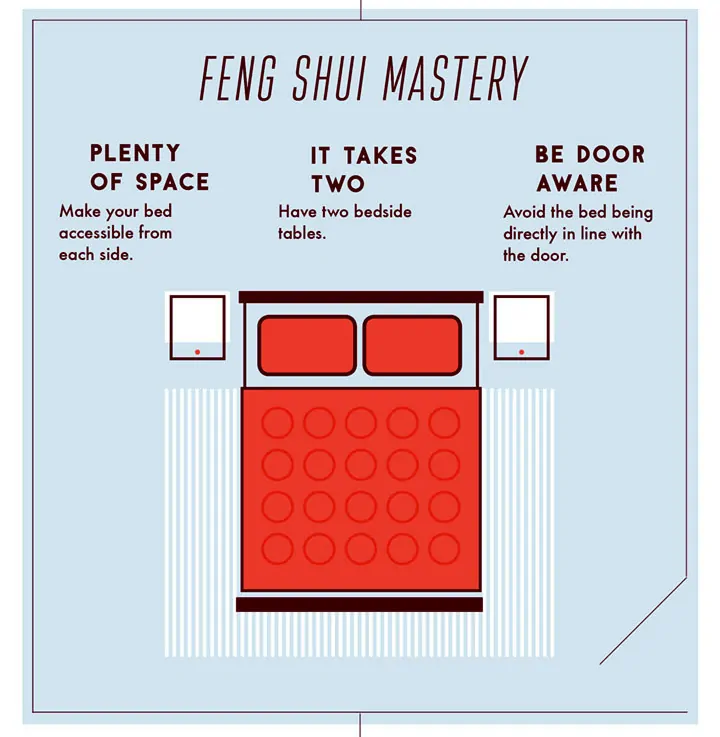
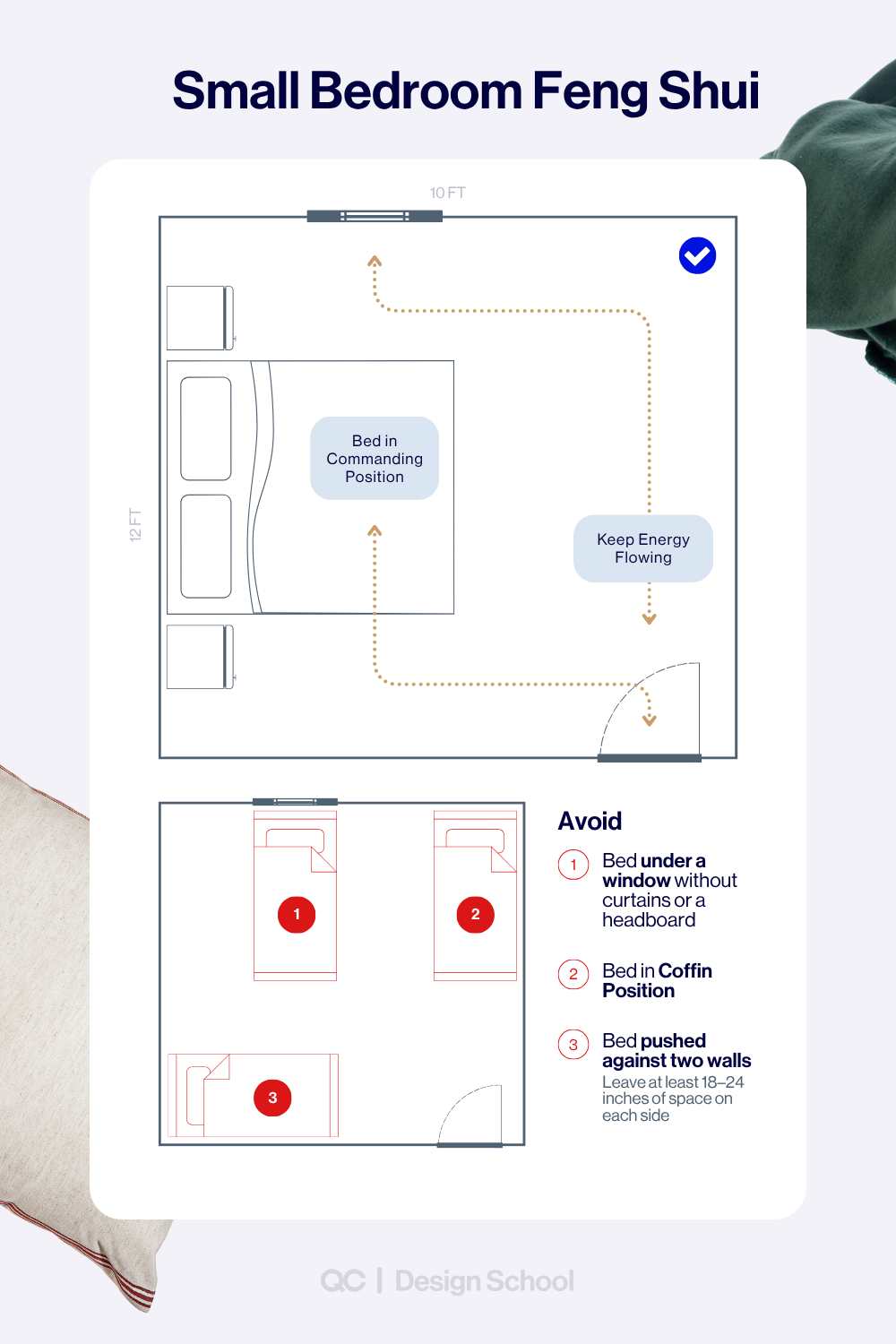
Never place the bed directly in line with the door. This position exposes you to rushing energy, causing unrest. It also leaves you vulnerable and uneasy. Place the bed diagonally or away from the door. This creates a safe and calm space for relaxation.
Solid Wall Support
Place the bed against a solid wall. This gives strong support and stability. Avoid windows or weak partitions behind the bed. They cause unsettled energy and poor rest. A solid wall creates a feeling of security and comfort. It helps balance the room’s energy around the bed.
Optimal Bed Directions
Choosing the right bed direction is vital in Feng Shui for a peaceful and healthy bedroom. The bed’s placement influences energy flow and rest quality. Different directions offer unique benefits. Some directions boost health, while others improve focus or calmness. Understanding these options helps create a balanced space for sleep and well-being.
Benefits Of South Facing
Facing the bed south promotes deep and restful sleep. This direction supports strong health and stability. It helps calm the mind and body after a busy day. Many Feng Shui experts see south as ideal for most people. It balances energy, making the bedroom a peaceful retreat.
East Facing Advantages
East-facing beds encourage positivity and fresh energy. This direction supports mental clarity and spiritual growth. It helps improve focus and motivation. People who want to boost their creativity benefit from this orientation. The east direction welcomes the morning sun, adding natural energy.
Neutral West Orientation
West-facing beds offer a neutral and calming effect. This direction brings relaxation and comfort. It suits those who want a quiet and restful space. West can support a balanced emotional state. It works well in bedrooms that need gentle, soothing energy.
Why North Is Discouraged
North-facing beds often block energy flow and can disturb sleep. This direction may cause restlessness or fatigue. It is less favorable in Feng Shui and Vastu traditions. Sleeping with your head to the north is linked to poor health. Avoid this direction to keep energy balanced and positive.
Feng Shui Bedroom Layout
The layout of a bedroom greatly affects the flow of energy and peace in the space. Feng Shui Bedroom Layout focuses on creating harmony through smart placement and design. The right layout invites calm and balance, helping you rest better and feel refreshed.
Every detail counts—from the shape of the room to how furniture is arranged. Let’s explore key Feng Shui principles to design a bedroom that supports good energy and wellbeing.
Room Shape And Flow
The shape of the bedroom influences how energy moves inside. Square or rectangular rooms allow energy to flow smoothly. Odd shapes can trap energy or cause it to rush too fast.
Keep pathways clear and avoid clutter. This helps energy circulate calmly. Doors and windows should open easily without blocking movement. The bed should not be directly in line with the door to prevent energy from rushing toward you while you sleep.
Balance And Symmetry
Balance creates a peaceful feeling. Use pairs of items like bedside tables and lamps on each side of the bed. Symmetry helps the mind relax and feel secure.
A balanced room supports equal energy flow, which is important for relationships and rest. Avoid placing furniture unevenly or crowding one side. Symmetry also means choosing similar colors and shapes to keep the room calm.
Harmonizing Elements
Feng Shui uses five elements: wood, fire, earth, metal, and water. A bedroom should include a mix of these to create harmony. Too much of one element can unbalance energy.
Wood brings growth and vitality, fire adds passion and warmth, earth offers stability, metal creates focus, and water promotes calm and flow. Use colors, materials, and decor to represent these elements thoughtfully.
For example, wooden furniture, soft lighting, plants, and smooth metal accents can work well together. Keep water elements like fountains subtle, as too much water can create restlessness.
Credit: www.dreams.co.uk
Dos And Don’ts
Feng Shui bedroom rules include clear dos and don’ts. These guidelines help create balance and harmony in your sleeping space. Follow the right steps to invite positive energy and restful sleep. Avoid common mistakes that block good energy flow.
Key Bedroom Do’s
- Place your bed against a solid wall for support.
- Keep the area under the bed clear and clean.
- Use soft, calming colors to promote relaxation.
- Maintain symmetry with matching bedside tables and lamps.
- Open windows regularly for fresh air and energy flow.
- Choose natural materials like wood and cotton for furniture and bedding.
- Keep electronics away from the bed to reduce distractions.
- Use gentle lighting to create a peaceful atmosphere.
- Arrange pillows neatly to invite comfort and rest.
- Include plants to improve air quality and add life.
Common Bedroom Don’ts
- Don’t place the bed directly in line with the door.
- Avoid sharp corners or furniture pointing towards the bed.
- Do not clutter your bedroom with too many items.
- Keep mirrors away from the bed to prevent energy disturbance.
- Don’t use dark, heavy colors that create a gloomy mood.
- Never place the bed under a window or exposed beam.
- Avoid sleeping with your head facing north according to Feng Shui.
- Don’t keep broken or unused items in the bedroom.
- Do not block natural light with heavy curtains all day.
- Stay away from noisy electronics that disturb sleep.
Scientific Insights
Scientific studies have begun exploring Feng Shui bedroom rules to see if they hold measurable effects. These insights help understand how bed placement and direction influence sleep and well-being. Research focuses on alignment and sleep quality, providing clues about the ancient practice’s validity.
North-south Alignment Effects
Aligning your bed along the north-south axis may impact your body’s magnetic field. Some studies suggest this alignment supports better circulation and relaxation. Sleeping with your head pointing north might disrupt sleep due to Earth’s magnetic forces. Aligning the bed southward often results in fewer sleep disturbances. This concept matches traditional beliefs, yet science offers partial support and calls for more research.
Sleep Quality Research
Sleep quality depends on many factors, including room layout and bed position. Experiments show that proper bed placement can reduce tossing and turning. A solid wall behind the headboard adds a sense of security, promoting deeper sleep. Avoiding direct alignment with the bedroom door minimizes disruptions. These findings align with Feng Shui advice and improve rest naturally.
Creating Comfort
Creating comfort in your bedroom is essential for restful sleep and positive energy flow. Feng Shui emphasizes a calm, safe, and balanced space. A comfortable bedroom supports relaxation and emotional well-being. Simple changes can make your room feel more inviting and peaceful.
Ensuring Safety And Security
Place your bed where you can see the door but are not directly in line with it. This position makes you feel protected and less vulnerable. Avoid sharp corners or clutter near the bed. Clear pathways help energy move smoothly and prevent accidents. Use soft, calming colors to create a safe atmosphere. Your bedroom should feel like a safe haven.
Ventilation And Light Control
Good air flow keeps your bedroom fresh and healthy. Open windows regularly to let in clean air. Use curtains or blinds to control sunlight. Too much light can disturb sleep, while too little light may make the room gloomy. Choose window coverings that allow you to adjust light easily. Balanced lighting creates a soothing environment for rest.
Credit: www.qcdesignschool.com
Conclusion
Applying Feng Shui bedroom rules brings calm and balance to your space. Place your bed thoughtfully to improve rest and harmony. Keep the room tidy and free from clutter to support good energy. Use soft colors and balanced lighting for a peaceful atmosphere.
These simple steps help create a restful bedroom that feels welcoming. Try small changes first and notice the positive effects on your sleep. A well-arranged bedroom supports health and happiness every day.