
Imagine walking into your home and feeling instantly comfortable, where every corner serves a clear purpose and nothing feels out of place. That’s the power of functional home design.
It’s not just about making your space look good—it’s about making your daily life easier, smoother, and more enjoyable. Whether you’re struggling with clutter, cramped rooms, or awkward layouts, learning how to design a functional home can transform your living space into a haven that truly works for you.
Ready to discover simple yet effective ways to organize, decorate, and optimize your home? Keep reading, because your dream of a perfectly balanced, easy-to-live-in home is closer than you think.
Space Planning
Space planning is the foundation of functional home design. It organizes rooms to maximize comfort and utility. Thoughtful space planning makes every inch count. It creates flow and harmony in your home. This approach helps balance style with practical needs.
Open Layouts
Open layouts remove walls to create large, flexible spaces. They let natural light spread across rooms. This design promotes social interaction and easy movement. Open layouts adapt well to changing family needs. They make small homes feel bigger and airier.
Multi-use Areas
Multi-use areas serve more than one purpose. A guest room can double as a home office. A dining table can also work as a workspace. This design saves space and adds flexibility. It suits busy households with diverse activities.
Decluttering Strategies
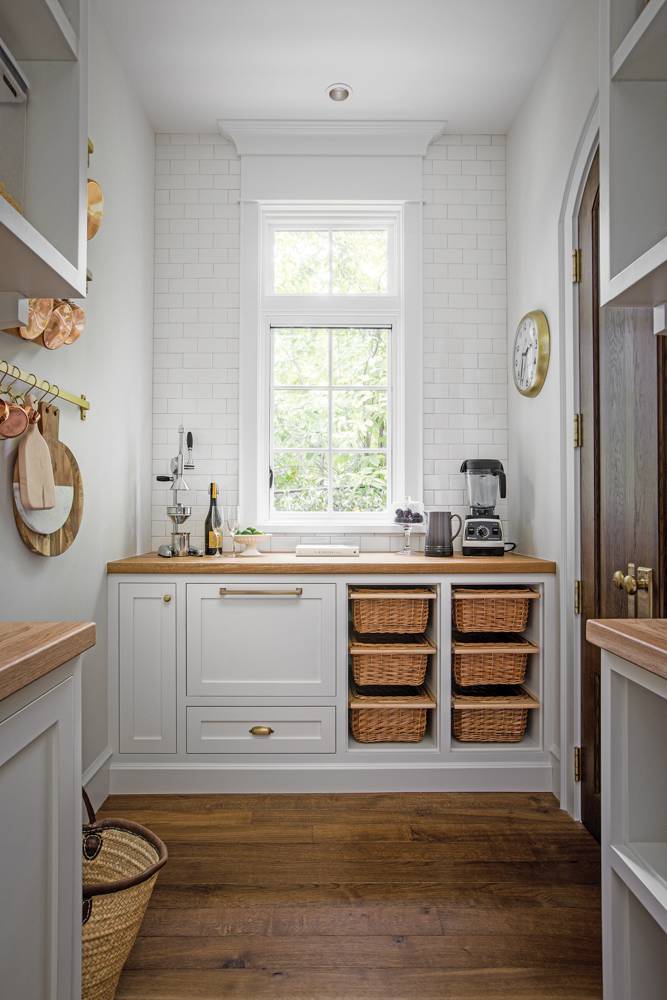
Decluttering keeps spaces clean and organized. Store items in bins, shelves, or cabinets. Remove unnecessary things to free up room. Regularly sorting possessions prevents clutter buildup. Clear spaces improve focus and reduce stress.
Credit: www.yammagazine.com
Storage Solutions
Storage solutions play a key role in functional home design. They keep spaces tidy and make daily life easier. Smart storage helps organize belongings while saving space. It supports a clean, comfortable, and efficient home environment.
Well-planned storage can fit every room. It blends with your style and improves usability. Creative ideas turn empty corners and walls into useful spots. The right storage options reduce clutter and stress.
Built-in Shelving
Built-in shelving uses wall space efficiently. It provides a permanent spot for books, decor, and essentials. Custom shelves match room size and style perfectly. They offer open or closed storage based on needs. These shelves keep surfaces clear and add charm.
Hidden Compartments
Hidden compartments hide items out of sight. They keep valuables safe and rooms neat. Under-floor or behind-wall compartments use unused space smartly. They create a clean look without extra furniture. Perfect for small homes or busy families.
Furniture With Storage
Furniture with storage combines function and style. Sofas, beds, and ottomans often include built-in drawers or lift tops. These pieces store blankets, toys, or magazines. They save space and reduce clutter in living areas. This dual-purpose furniture fits any room well.
Material Choices
Choosing the right materials plays a key role in functional home design. Material choices affect the ease of cleaning, durability, and overall maintenance of your space. Selecting smart materials can save time and effort while keeping your home beautiful and practical.
Easy-clean Surfaces
Surfaces that clean easily help maintain a tidy home with less work. Materials like quartz, glass, and certain laminates resist stains and wipe clean quickly. These surfaces prevent dirt buildup and reduce the need for harsh cleaning products. Easy-clean materials keep kitchens and bathrooms fresh and inviting.
Durable Finishes
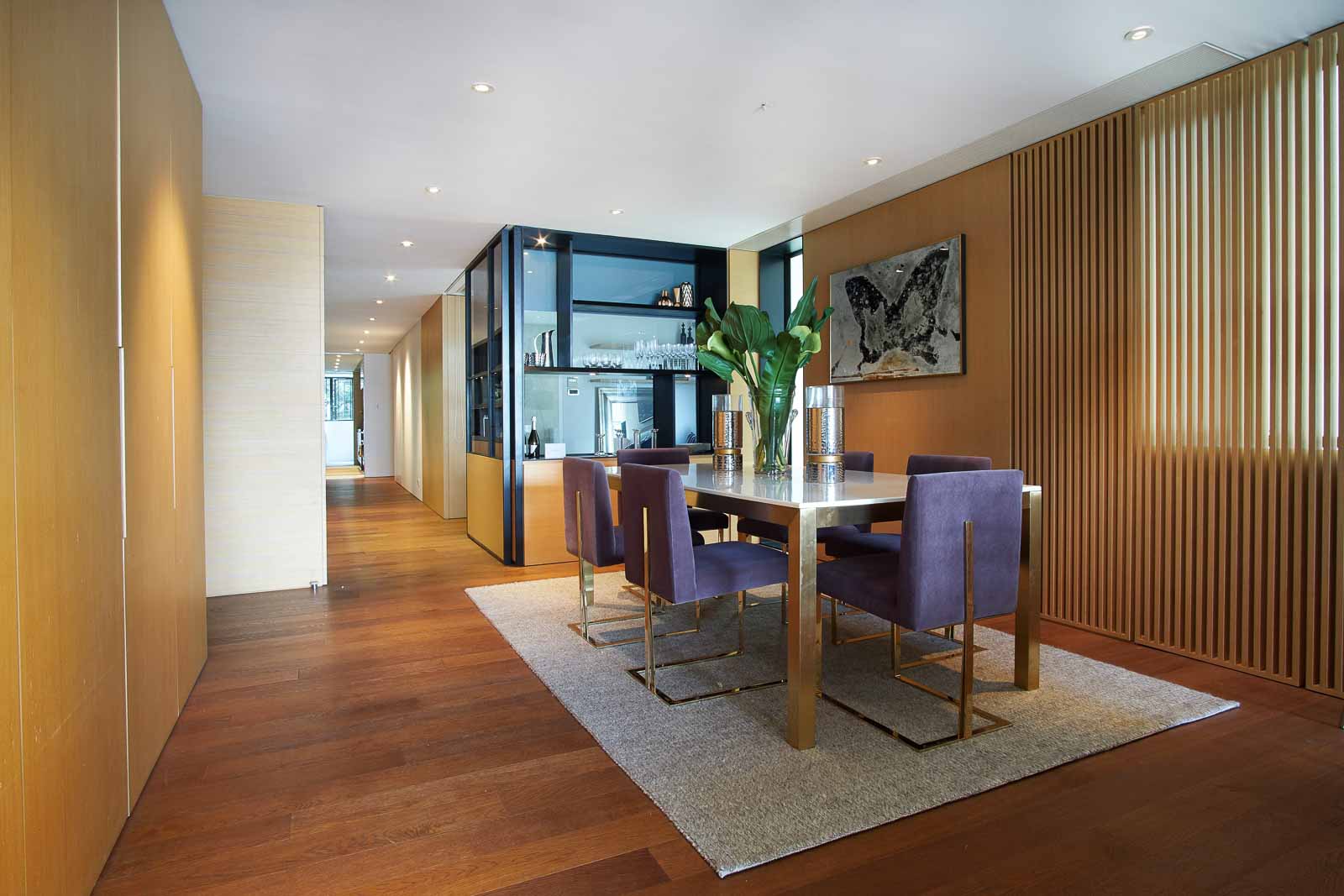
Durable finishes stand up to daily wear and tear without losing their look. Options like hardwood floors with strong sealants, ceramic tiles, and metal fixtures last longer. They resist scratches, dents, and water damage. Choosing durable finishes means your home stays attractive through busy family life.
Low-maintenance Options
Low-maintenance materials reduce the time spent on repairs and upkeep. Vinyl siding, composite decking, and engineered wood require little attention. These options resist fading, warping, and mold growth. Low-maintenance materials allow you to enjoy your home without constant worry about upkeep.
Credit: thehomestylist.org
Accessibility Features
Accessibility features are essential in functional home design. They make homes safe and easy to navigate for everyone. These features allow people of all ages and abilities to move freely and comfortably. A well-designed accessible home improves daily life and supports independence.
Wide Doorways
Wide doorways provide easy passage for wheelchairs and walkers. They also help move large furniture without damage. Standard doorways often restrict movement, but wider doors solve this problem. Ensuring doorways are at least 32 inches wide is a good start. This simple change increases comfort and usability.
Step-free Entries
Step-free entries remove barriers at entrances. They prevent trips and falls while allowing smooth access. Ramps or level thresholds replace stairs to aid mobility. These entries support people using wheelchairs, strollers, or carrying heavy items. Step-free designs create a welcoming and safe entry for all visitors.
Smart Home Integration
Smart home technology enhances accessibility by automating tasks. Voice commands control lights, doors, and thermostats easily. Sensors and apps help monitor safety and comfort remotely. This technology offers convenience for people with limited mobility. Smart homes adapt to residents’ needs, making daily routines simpler and safer.
Lighting Design
Lighting design plays a vital role in creating a functional home. It affects mood, usability, and energy use. Good lighting helps in performing daily tasks comfortably. It also highlights the home’s best features and creates a welcoming atmosphere.
Natural Light Maximization
Natural light brightens rooms and saves energy. Use large windows and glass doors to invite sunlight. Keep window treatments minimal to avoid blocking light. Mirrors placed opposite windows reflect light deeper into rooms. Arrange furniture to allow light flow through spaces.
Layered Artificial Lighting
Layered lighting uses multiple light sources for balance. Combine ceiling lights with wall sconces and lamps. This approach prevents harsh shadows and bright spots. Dimmers add control, adjusting light levels as needed. Warm light bulbs create cozy, inviting spaces.
Task And Ambient Zones
Divide rooms into zones for different activities. Task lighting focuses on work areas like kitchen counters or desks. Use bright, direct light to reduce eye strain. Ambient lighting softly illuminates the entire space. This mix improves comfort and functionality throughout the home.
Comfort Enhancements
Comfort enhancements play a key role in functional home design. They create spaces that feel welcoming and relaxing. These improvements help you enjoy your home more and reduce stress. Small changes in comfort can make a big difference in daily living. This section explores three important comfort features: ergonomic furniture, climate control, and acoustic treatments.
Ergonomic Furniture
Ergonomic furniture supports your body well. It reduces strain on muscles and joints. Chairs and desks designed ergonomically help maintain good posture. This lowers the risk of pain from long hours of sitting. Ergonomic sofas and beds improve rest and relaxation. Choosing the right furniture means better comfort and health.
Climate Control
Climate control keeps your home at a perfect temperature. Heating and cooling systems adapt to changing weather. Proper ventilation improves air quality and comfort. Smart thermostats allow easy temperature adjustments. This saves energy and keeps rooms cozy. A balanced climate helps everyone feel comfortable inside.
Acoustic Treatments
Acoustic treatments reduce noise and echo in your home. Soft materials like curtains and rugs absorb sound. Wall panels and ceiling tiles cut down loud noises. These treatments make spaces peaceful and quiet. They help focus during work or relax after a busy day. Good acoustics improve the overall comfort of your home.
Personalized Touches
Personalized touches shape a home’s character and boost its functionality. They reflect the owner’s style and meet daily needs. These details turn a simple space into a warm, inviting place. Personalizing means blending beauty with purpose in every corner.
Decorative Vignettes
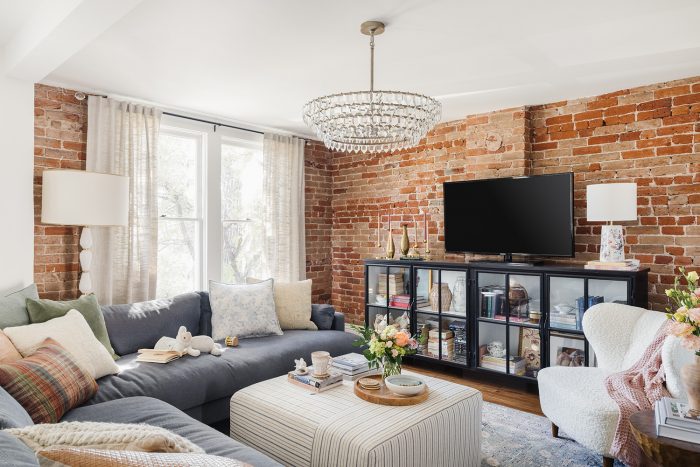
Decorative vignettes create small, styled displays that catch the eye. Use odd numbers like three or five for a natural, balanced look. Place items of different heights and textures on tables or shelves. A tall vase, a stack of books, and a small sculpture work well together. These groupings add charm and keep spaces interesting.
Color And Texture Mix
Mix colors and textures to add depth and warmth. Start with a neutral base for walls or large furniture. Add pops of color through cushions, rugs, or art pieces. Combine smooth, rough, soft, and shiny materials for a rich feel. This blend creates a cozy, inviting atmosphere that feels unique.
Unique Functional Features
Unique functional features make daily life easier and more enjoyable. Think built-in storage that fits your belongings perfectly. Consider multi-use furniture that saves space and adds style. Custom lighting fixtures improve both mood and usability. These features help keep the home organized and comfortable.
Credit: havenly.com
Conclusion
Designing a functional home means making life easier and more comfortable. Keep spaces open and organized for smooth daily routines. Choose materials that are simple to clean and maintain. Plan where everything belongs to avoid clutter and stress. Make sure your home is easy to move through for everyone.
A well-planned home supports your lifestyle and saves time. Small changes can bring big improvements to your living space. Think about your needs and create a home that works for you. Simple, smart design makes every day better.