
Are you ready to transform your garden in ways you never imagined? Gardening Trends 2026 are set to change how you connect with nature, making your outdoor space more vibrant, sustainable, and uniquely yours.
Whether you have a sprawling backyard or a cozy balcony, these fresh ideas will inspire you to grow smarter, save water, and create a garden that truly reflects your style. Keep reading to discover the must-know trends that will make your garden the envy of your neighborhood this year.
Your green thumb is about to get a powerful boost!
Sustainable Gardening
Sustainable gardening is a growing focus for gardeners worldwide. It helps protect the environment and saves resources. Gardens that follow sustainable practices use less water and support local wildlife.
This approach reduces waste and promotes healthy soil. It also encourages planting choices that are good for the ecosystem. Sustainable gardening creates beautiful, eco-friendly spaces for everyone to enjoy.
Pollinator-friendly Plants
Planting flowers that attract bees, butterflies, and other pollinators is vital. These plants help pollinate crops and wild plants. Examples include lavender, coneflowers, and milkweed.
Gardens with pollinator-friendly plants support biodiversity and increase fruit and vegetable yields. Choose a variety of colors and bloom times to keep pollinators visiting all season.
Xeriscaping Techniques
Xeriscaping uses plants that need little water. This method saves water and reduces maintenance. Succulents, ornamental grasses, and drought-tolerant shrubs work well for xeriscaping.
Mulching and grouping plants with similar water needs further conserve moisture. Xeriscaping suits dry regions and helps gardeners deal with water restrictions.
Native Species Benefits
Native plants are adapted to the local climate and soil. They require less water, fertilizer, and pesticides. These plants support local wildlife like birds and insects.
Using native species helps maintain natural ecosystems. They often resist pests and diseases better than non-native plants. Native gardens thrive with less effort and cost.
Personalized Garden Spaces
Personalized garden spaces grow in popularity for 2026. Gardeners choose plants and designs that reflect their style. These spaces become unique, inviting, and full of character. Personal touches bring joy and relaxation to outdoor areas.
Gardeners pay attention to plant variety, history, and shape. Each choice adds meaning and beauty. The garden becomes a reflection of the gardener’s personality and memories.
Collectible And Variegated Plants
Rare and variegated plants attract many gardeners. Their unusual colors and patterns make gardens stand out. Collectors enjoy seeking these special plants for their uniqueness. These plants add vibrant contrast and texture to garden beds.
Variegation creates leaves with multiple colors. This trait draws attention and adds brightness. Collectible plants often have interesting shapes or blooms. They offer a conversation piece and a sense of pride.
Nostalgic Plant Choices
Many gardeners select plants that remind them of childhood. Classic flowers like roses, peonies, and daisies bring warm memories. These plants create a sense of comfort and tradition. They connect gardeners to the past and family history.
Nostalgic plants often have simple, sweet scents. Their blooms evoke feelings of calm and happiness. This trend supports emotional well-being through gardening.
Sculptural Plant Forms
Plants with strong shapes and structures gain interest. Sculptural forms provide striking focal points in gardens. Examples include tall grasses, twisted branches, and bold succulents. These shapes add dimension and art to outdoor spaces.
Gardeners use sculptural plants to create dynamic designs. They balance soft flowers with hard, architectural elements. This contrast creates visual interest all year round.
Nature-inspired Styles
Nature-inspired styles dominate gardening trends in 2026. These styles bring the outdoors closer. They celebrate natural shapes and colors. Gardens no longer need to look perfect. Instead, they embrace organic growth and wild beauty. This approach creates spaces that feel alive and soothing. Nature-inspired gardens also support local wildlife and plants. They blend garden and environment harmoniously.
Chaos Gardening
Chaos gardening lets plants grow freely without strict order. It mimics natural wild spaces. Flowers, grasses, and shrubs mix in an unplanned way. This style creates lively, dynamic gardens. It attracts bees, birds, and butterflies. Chaos gardening reduces the need for heavy maintenance. It encourages biodiversity and natural cycles. Gardeners enjoy watching nature take its course.
Cottage And Bohemian Themes
Cottage and bohemian gardens offer a relaxed, charming look. They mix colorful flowers and vintage decor. Plants like roses, lavender, and hollyhocks are common. Paths are winding, and fences may be rustic. This style feels cozy and inviting. It reflects a love for nature and art. Gardeners use handmade items and soft textures. The result is a warm, personal garden space.
Wildflower Integration
Wildflower integration adds natural color and texture to gardens. Native wildflowers grow alongside other plants. They attract pollinators and improve soil health. This trend supports local ecosystems and biodiversity. Wildflowers need less water and care. They bloom in changing seasons, adding variety. Gardeners use wildflower meadows or patches in beds. This practice connects gardens to their natural surroundings.
Smart Gardening Tools
Smart gardening tools are changing how people grow plants. They help gardeners care for plants with less guesswork and more precision. These tools use technology to give real-time information about soil, weather, and plant health. This makes gardening easier and more efficient for everyone.
Gardening in 2026 means using gadgets that connect to your phone or computer. These tools guide you on when to water, fertilize, or prune your plants. They save time and reduce waste. Smart tools also help beginners learn gardening quickly and confidently.
Data-driven Plant Care
Smart sensors collect data from your garden. They monitor soil moisture, temperature, and sunlight levels. The data helps you understand what your plants need daily. Apps analyze this information and send alerts for care tasks. This way, you avoid overwatering or underfeeding your plants.
Data-driven care leads to healthier plants and better yields. It also reduces the risk of diseases by spotting problems early. Gardeners get personalized tips based on their garden’s conditions. This precise approach saves resources and improves plant growth.
Tech For Water Efficiency
Water is vital but often wasted in gardening. Smart irrigation systems use weather forecasts and soil data to water plants only when needed. These systems adjust watering schedules automatically. They prevent water runoff and evaporation, saving gallons of water every week.
Drip irrigation and smart sprinklers deliver water directly to plant roots. This method reduces water waste and keeps plants hydrated longer. Water-efficient technology helps gardens thrive, even in dry or drought-prone areas. It supports sustainability by conserving a precious resource.
Balancing Ai And Hands-on Work
Gardening remains a hands-on hobby despite new technology. Smart tools provide guidance but do not replace human touch. Gardeners still prune, plant, and enjoy the soil. AI helps with routine tasks and data analysis, freeing time for creativity.
Combining AI with manual work improves results. Gardeners make final decisions based on experience and tool feedback. This balance keeps gardening personal and rewarding. Technology supports growth without taking away the joy of working with plants.
Edibles In Small Spaces
Growing your own food in small spaces is a popular trend for 2026. Urban gardens and tiny yards inspire creative planting. Edibles fit perfectly in balconies, patios, and windowsills. This approach brings fresh produce to your doorstep without needing a big garden. Smart choices make the most of limited space and sunlight.
Compact Fruit Trees
Compact fruit trees suit small gardens and containers well. They stay small but produce plenty of fruit. Dwarf varieties of apple, cherry, and peach trees grow easily in pots. These trees need pruning and good soil to thrive. They offer fresh fruit right outside your door.
Unique Berries
Unique berries add color and flavor to small spaces. Varieties like goji, elderberry, and alpine strawberries do well in pots. These berries need less room than traditional bushes. They attract pollinators and make your garden lively. Fresh berries are perfect for snacks and desserts.
Herbs In Containers
Herbs grow well in containers on balconies or windowsills. Basil, mint, rosemary, and thyme are easy to grow and useful in cooking. Container herbs need regular watering and sunlight. Growing herbs at home saves money and ensures fresh flavors year-round.
:max_bytes(150000):strip_icc()/highlands_garden_entry_2342601_043-1-4cd35b30d29f4a9dbe6bbd91688388fd.jpg)
Credit: www.southernliving.com
Rewilding Practices
Rewilding practices are reshaping gardening in 2026. They focus on restoring natural habitats and letting nature lead. These methods help gardens become lively spaces full of native plants and wildlife. Gardeners choose to create areas that thrive with little interference.
Ecosystem Self-regulation
Self-regulation means gardens balance themselves naturally. Plants, insects, and animals work together to keep pests low. This reduces the need for chemicals and watering. Gardens become healthier and more resilient over time. Allowing nature to manage itself creates a stable ecosystem.
Majority Native Plantings
Using mostly native plants supports local wildlife and soil health. Native species are adapted to the climate and require less care. They attract bees, butterflies, and birds essential for pollination. Gardens become vibrant and balanced with native plantings. This trend helps protect regional biodiversity and natural beauty.
Gravel Gardens
Gravel gardens are gaining popularity for their low maintenance and stylish look. They use small stones instead of soil or grass, creating a clean, modern space. These gardens save water and reduce weeds, making them eco-friendly choices. Gravel reflects sunlight, keeping plants cooler in hot weather. This type of garden fits well in dry areas and urban settings. Gravel gardens offer a fresh way to enjoy gardening with less effort and more beauty.
Water-saving Mulch
Gravel works as excellent mulch by holding moisture in the soil. It slows evaporation, so plants need less watering. Unlike organic mulch, gravel does not break down or need replacing often. It also prevents soil erosion during rain. Using gravel mulch helps gardeners save water and time. This makes it perfect for drought-prone regions and busy gardeners alike.
Drought-tolerant Plants
Choosing drought-tolerant plants pairs well with gravel gardens. These plants survive with little water and thrive in dry soil. Succulents, lavender, and ornamental grasses are popular options. Their deep roots help them absorb water efficiently. These plants reduce the need for irrigation. They add texture and color to gravel gardens, creating year-round interest.
Credit: www.monrovia.com
Container Gardening
Container gardening continues to grow as a favorite trend in 2026. It offers a simple way to bring greenery into small spaces. People can customize their garden style with pots and planters. This method allows for easy plant care and movement. It fits well in urban homes, balconies, and patios.
Outdoor Room Creation
Container gardens help create cozy outdoor rooms. Grouping pots forms natural borders and seating areas. It invites people to relax and enjoy nature. Using containers, you can define dining or reading spaces outside. This trend turns patios into comfortable extensions of the home.
Bold Container Choices
Choosing bold containers makes a strong statement. Bright colors and unusual shapes catch the eye. Large pots in vibrant hues add energy to the garden. Mixing modern and traditional styles brings fresh appeal. Containers become art pieces that enhance plant beauty.
Texture And Color Variation
Combining different textures and colors adds depth to container gardens. Rough terracotta pairs well with smooth ceramic pots. Mixing leafy greens with flowering plants creates visual interest. Using contrasting colors highlights each plant’s unique traits. This variety keeps the garden lively and engaging.
Creative Gardening Solutions
Creative gardening solutions are reshaping how people grow plants and flowers. These ideas help gardeners make the most of small spaces and limited resources. New methods bring joy and ease to everyday gardening tasks. They allow even beginners to create beautiful, thriving gardens.
Innovative Problem Solving
Gardening in 2026 uses smart tools and designs to solve common problems. Vertical gardens save space by growing plants upward. Self-watering pots reduce the need for daily care. Recycled materials become planters, cutting waste and costs. These solutions fit urban homes and tiny balconies well.
Technology plays a role too. Sensors track soil moisture and light, sending alerts to phones. This helps plants get the right care on time. Gardens become more sustainable by using rainwater collection and solar-powered lights. These clever ideas keep gardens green and healthy with less effort.
Joyful Adaptations
Gardening trends focus on fun and creativity. People use colorful containers and playful layouts. Mixing vegetables with flowers attracts pollinators and creates lively spaces. Herbs grow near kitchens for fresh cooking ingredients. This makes gardening both useful and enjoyable.
Gardens also adapt to different climates and seasons. Cold frame mini-greenhouses extend growing times. Shade cloths protect sensitive plants during hot days. These changes keep gardens productive year-round. Gardeners find joy in watching plants thrive despite challenges.
Credit: www.veranda.com
Plant Spotlight
The Plant Spotlight section highlights key plants shaping garden trends in 2026. It focuses on popular varieties and seasonal picks that bring fresh life to any garden. Understanding these plants helps gardeners create vibrant, stylish outdoor spaces.
Hydrangea Trends
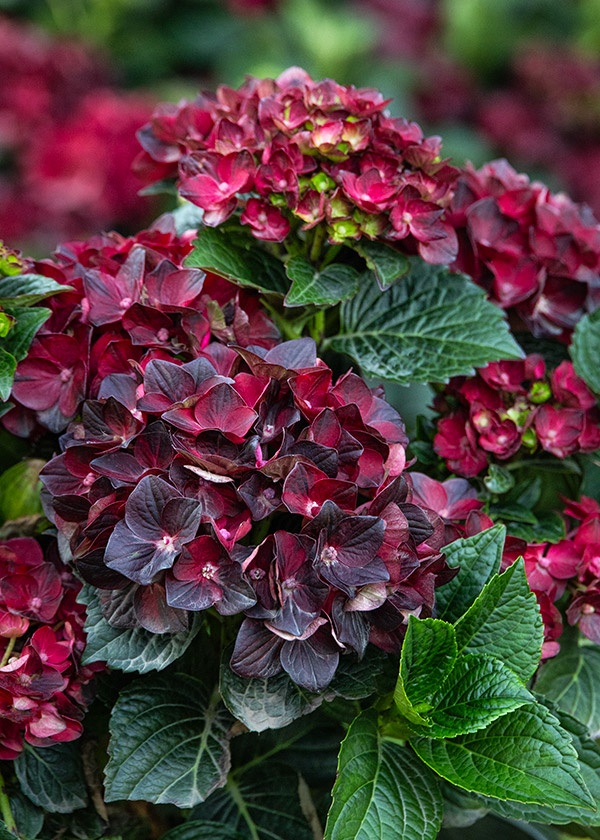
Hydrangeas remain a favorite for their large, showy blooms. New varieties feature unique colors like deep blues and soft pastels. Gardeners enjoy their versatility in borders and containers. These plants thrive in partial shade and moist soil. They add volume and charm to garden beds.
In 2026, hydrangeas with lacecap and mophead flowers gain popularity. Their long bloom periods extend garden beauty well into fall. Many gardeners choose varieties that change color with soil pH. This dynamic aspect keeps gardens interesting season after season.
Seasonal Favorites
Seasonal plants create constant change and color throughout the year. Spring bulbs like tulips and daffodils brighten early gardens. Summer favorites include sun-loving marigolds and zinnias. Fall brings chrysanthemums and ornamental kale for late color.
Winter gardens benefit from evergreens and hellebores, offering texture and subtle blooms. Seasonal planting helps maintain a lively garden no matter the month. It also supports local pollinators and wildlife through the year.
Conclusion
Gardening trends in 2026 focus on nature and sustainability. Gardens will support local wildlife and use fewer chemicals. People will choose plants that save water and need less care. Technology will help gardeners grow healthier plants more easily. Small spaces will become greener with vertical and container gardens.
These trends make gardening simpler and more eco-friendly. Try new ideas and enjoy your garden’s beauty. Keep your garden healthy and kind to the Earth. Gardening in 2026 offers fun ways to connect with nature.