
Designing a long living room can feel like a challenge, but it doesn’t have to be. If you’ve ever walked into a space that feels awkwardly stretched or hard to cozy up, you know what I mean.
The good news? With the right approach, you can turn your long living room into a stylish, inviting area that feels balanced and welcoming. You’ll learn simple, practical tips that help you choose furniture, arrange decor, and create flow—so your space looks effortlessly beautiful and works perfectly for your lifestyle.
Ready to transform your long living room? Let’s dive in.
Layout Strategies
Designing the layout of a long living room requires thoughtful planning. A well-structured layout helps the space feel balanced and welcoming. Use clear strategies to make the room functional and attractive. The following tips focus on practical ways to organize and arrange your long living room.
Zoning The Space
Divide the room into zones for different activities. Create areas for seating, entertainment, and reading. Use rugs or furniture placement to mark each zone. Zoning helps break up the length and adds purpose to the space. It makes the room feel cozier and more organized.
Traffic Flow Tips
Plan clear paths for easy movement through the room. Avoid blocking walkways with large furniture. Keep at least 2 to 3 feet of space for walking. Position furniture so people can move naturally without bumping into items. Good traffic flow makes the room comfortable and easy to use.
Balancing Width And Length
Balance the room by spreading furniture evenly along the length. Avoid placing all large pieces at one end. Use low-profile furniture to keep the space open. Arrange items to fill the width without overcrowding. This approach prevents the room from feeling narrow or too stretched out.
Furniture Proportions
Furniture proportions shape the feel of a long living room. Proper sizing keeps the space balanced and inviting. Oversized or too-small pieces can make the room feel awkward. Matching furniture size to room dimensions improves flow and comfort. Understanding key rules helps choose the right furniture for long spaces.
Applying The Two-thirds Rule
The two-thirds rule helps balance furniture with the room size. Main pieces should cover about two-thirds of the wall or floor area. For example, your sofa should fill two-thirds of the wall it sits against. This leaves enough open space to keep the room airy. It also prevents furniture from overwhelming the long layout.
Use this rule for other large items, like bookcases or media units. Avoid placing very large pieces that block light or narrow pathways. The two-thirds rule guides choosing furniture that fits naturally and looks right.
Sofa And Rug Sizing
Select a sofa that suits the room’s length and width. A long, narrow sofa works well in long rooms. Avoid very deep sofas that reduce walking space. The rug should be large enough to fit under the sofa and front legs of chairs. This anchors the seating area and adds warmth.
Rug size often depends on furniture layout. Rugs that cover two-thirds of the seating zone create harmony. Small rugs can make the space feel disconnected. A well-sized rug unifies the furniture and defines the living area.
Coffee And Side Table Dimensions
Coffee tables should fit the seating area without crowding it. A good rule is for the table to be about two-thirds the length of the sofa. Keep enough space around the table for easy movement, typically 18 inches. Side tables should be proportionate to chairs or sofas.
Choose tables with simple shapes and modest sizes. Round or oval tables soften long lines and improve flow. Avoid large, bulky tables that block pathways. Proper table sizing supports function and style in a long living room.
Color And Texture
Color and texture shape the feel of a long living room. They control mood, light, and space perception. Using the right tones and materials can make the room inviting and balanced. This section explains how to use color and texture smartly to enhance your living area.
Choosing A Neutral Base
Start with neutral colors for walls and large furniture pieces. Shades like beige, gray, or soft white create a calm backdrop. These colors make the room feel larger and brighter. Neutrals also give freedom to add other colors and patterns later. They help keep the space from feeling busy or cramped.
Introducing Accent Colors
Accent colors add life and personality to the room. Use them in pillows, rugs, or artwork. Choose colors that contrast with the neutral base for interest. Blues, greens, or warm tones work well. Keep accents in small doses to avoid overwhelming the space. These pops of color draw the eye and break up long walls.
Mixing Textures For Depth
Texture brings warmth and depth to a long living room. Combine smooth, rough, soft, and shiny surfaces. For example, pair a leather sofa with a wool rug and a velvet pillow. Wood, metal, and glass also add variety. Mixing textures prevents the room from feeling flat. It invites touch and makes the space cozy and dynamic.
Lighting Solutions
Lighting plays a crucial role in designing a long living room. It helps define the space and creates a cozy atmosphere. Proper lighting also enhances the room’s shape and functionality. Without the right lighting, a long living room can feel dull or unbalanced. Use a mix of lighting types to add depth and warmth.
Layered Lighting Concepts
Layered lighting means using different light sources at various heights. Combine ambient, task, and accent lighting to brighten the room evenly. Ambient lighting provides overall illumination. Task lighting focuses on specific areas like reading spots. Accent lighting highlights artwork or architectural features. This approach prevents shadows and adds visual interest.
Using Floor And Table Lamps
Floor and table lamps add flexibility and style. Place floor lamps near seating areas for reading light. Table lamps work well on side tables or shelves. Choose lamps with adjustable brightness to control mood. Lamps also break the length of the room visually. They create small, inviting zones within the space.
Maximizing Natural Light
Natural light makes a long room feel open and fresh. Use sheer curtains to let sunlight filter in softly. Keep windows clean and unobstructed to allow maximum light. Arrange furniture to avoid blocking windows. Mirrors placed opposite windows reflect light deeper into the room. Natural light reduces the need for artificial lighting during the day.
Decor Groupings
Decor groupings transform a long living room from plain to captivating. They add personality and style in a subtle way. Grouping decor items creates focal points that draw the eye along the room’s length.
Proper decor groupings keep the space balanced and inviting. They break up long lines and prevent the room from feeling empty or cluttered. Thoughtful arrangements make the room feel cozy and well-planned.
Rule Of Odd Numbers
Odd numbers like three, five, or seven create more natural, engaging displays. They avoid the stiffness of even-numbered groups and feel less staged. Odd groupings guide your eye smoothly around the display.
Start with a large item, then add two smaller pieces for a group of three. Larger surfaces can hold five or seven items with varied sizes. Mix shapes and textures for an interesting and balanced look.
Examples: a big book, a small plant, and a candle on a coffee table. Or a tall vase, medium photo frame, and small sculpture on a shelf.
Balancing Height And Shape
Mixing different heights keeps the eye moving and avoids monotony. Taller items anchor the grouping, while shorter pieces fill in the space. Varying shapes add visual interest and depth.
Place tall lamps or vases next to shorter decor like books or bowls. Round and square shapes together create contrast and harmony. Avoid placing items with the same height or shape side by side.
Textural Variety In Arrangements
Combining smooth, rough, shiny, and matte textures adds richness to decor groups. Textural contrast invites touch and makes the arrangement more lively. Use woven baskets, ceramic pots, metal trays, and soft fabrics together.
Layer textures by placing a soft throw near a glossy vase or a rough wooden box beside a sleek photo frame. This variety makes the long living room feel warm and tactile.
:strip_icc()/bartlamjettecreative-d9eb17ae19b44133aef1b5ad826d1e33.png)
Credit: www.mydomaine.com
Wall Treatments
Wall treatments play a key role in designing a long living room. They help define the space and add personality. Choosing the right treatment can balance the room’s length and make it feel cozy.
Wall treatments include paint, wallpaper, paneling, and art. Each option changes the room’s mood and style. Using these thoughtfully enhances the overall look and feel.
Art Placement Tips
Place art at eye level for the best view. Group pieces in odd numbers like three or five. Odd numbers create a natural, balanced look. Use varied sizes to add depth and interest.
Avoid placing art too high or too low. Center artwork on the wall or above furniture. This anchors the space and draws attention.
Wall Paneling Ideas
Wall paneling adds texture and breaks long walls. Choose vertical panels to make the ceiling feel taller. Horizontal panels can widen the room visually.
Simple wood or painted panels work well in modern or classic styles. Wainscoting adds elegance and protects walls from damage.
Creating Visual Interest
Mix materials like wood, fabric, and paint for a layered look. Use bold colors or patterns on one wall as a feature. This draws the eye and adds dimension.
Mirrors reflect light and make the room feel bigger. Adding shelves with decor also breaks monotony. Combine lighting and textures for a lively, inviting space.
Storage And Shelving
Storage and shelving play a key role in designing a long living room. They help organize items and define the room’s style. Good storage solutions make the space neat and functional.
Choosing the right type of shelving can shape the room’s flow. Shelves also offer a chance to display decor and personal items. Clever storage ideas prevent clutter in narrow spaces.
Built-in Vs Freestanding
Built-in shelves fit perfectly along long walls. They use space efficiently and look custom-made. These shelves can follow the room’s shape, creating a seamless look.
Freestanding shelves are flexible and easy to move. They work well if you like to change layouts often. Choose slim, tall units to keep the room open and airy.
Both options have style and function benefits. Consider the room size and how much storage you need.
Open Shelves Styling
Open shelves create a light and open feeling. Use them to display books, plants, and small art pieces. Group items in odd numbers like three or five for a balanced look.
Mix different textures and shapes to add interest. A woven basket, a smooth vase, and a stack of books work well together. Keep shelves tidy to avoid a cluttered appearance.
Hidden Storage Options
Hidden storage keeps the living room clean and simple. Choose furniture with built-in storage like ottomans or coffee tables. Drawers and cabinets hide items out of sight.
Wall units with closed doors can store games, blankets, and electronics. Use storage boxes or baskets inside for better organization. Hidden storage keeps long rooms feeling spacious and calm.
:strip_icc()/katiehodgesdesignphotoAmyBartlam-8c2256f1abd341d8bf4baf3493669929.jpg)
Credit: www.mydomaine.com
Flooring Choices
Choosing the right flooring sets the foundation for a long living room’s design. It affects the room’s style, comfort, and flow. Picking the right flooring can make the space feel balanced and welcoming. Focus on options that enhance the length without overwhelming it. Consider texture, color, and durability to match your lifestyle and decor.
Rug Size And Placement
Select a rug that fits the room’s length and width. A large rug helps define seating areas and breaks up long spaces. Place it under the main furniture to anchor the layout. Leave some floor visible around the edges to avoid a crowded look. Rugs with horizontal patterns can visually widen the room. Avoid small rugs that get lost in the space.
Material Options
Hardwood floors add warmth and timeless appeal. Choose lighter tones to open up the space. Laminate and vinyl offer budget-friendly, durable choices. They come in many styles that mimic wood or stone. Carpet adds softness but may make the room feel smaller. Tile works well in warmer climates and is easy to clean. Match materials with your lifestyle and comfort needs.
Creating Warmth And Comfort
Layer rugs over hard floors to add softness and warmth. Choose plush or wool rugs for cozy texture underfoot. Add floor cushions or poufs for extra comfort and seating. Use warm tones in flooring and rugs to create a welcoming atmosphere. Proper lighting enhances the feeling of warmth. Aim for a balance between hard and soft surfaces for comfort.
Adding Greenery
Adding greenery to a long living room brings life and freshness to the space. Plants soften sharp lines and add color without clutter. Greenery creates a calming atmosphere and connects the indoors with nature.
Choosing the right plants and placing them well makes a big difference. Proper care keeps plants healthy and beautiful. Here is how to add greenery effectively.
Choosing Indoor Plants
Select plants that thrive indoors and suit your light conditions. Snake plants, pothos, and spider plants are easy to grow. Taller plants like fiddle leaf figs add height and drama. Small succulents work well on shelves or tables. Pick plants with different shapes and leaf textures for variety.
Placement For Impact
Place tall plants near corners to fill empty spaces. Use plant stands or shelves to create layers of greenery. Group plants in odd numbers like three or five for a natural look. Put small plants on coffee tables or window sills. Avoid blocking walkways or natural light.
Maintenance Tips
Water plants according to their needs to avoid overwatering. Dust leaves regularly to help plants breathe. Rotate plants to ensure even sunlight exposure. Check for pests and remove dead leaves. Use good soil and pots with drainage holes for healthy roots.
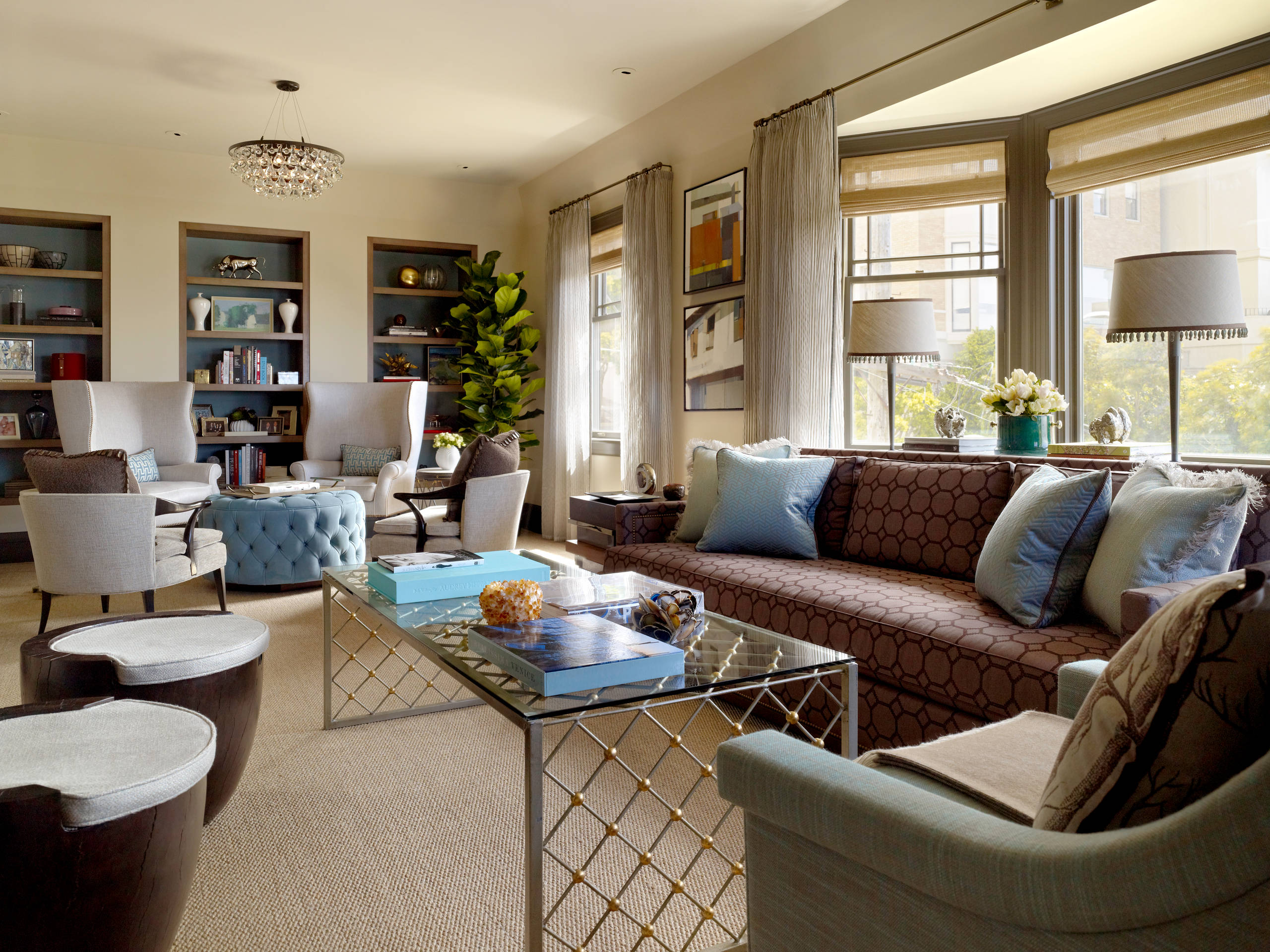
Credit: www.houzz.com
Conclusion
Designing a long living room takes careful planning and simple steps. Use odd-number groupings for decor to create natural balance. Choose furniture sized to fit about two-thirds of your space for comfort and flow. Mix different shapes and textures to add interest without clutter.
Keep pathways clear to make the room feel open and inviting. Small details make a big difference in a long room’s look. With these tips, your living room will feel cozy and stylish every day. Enjoy creating a space that suits your needs and tastes.