
Is your lawn looking uneven, patchy, or tired? You’re not alone—and the good news is, there’s a simple, effective way to breathe new life into your grass: top dressing.
By adding a thin layer of soil, compost, or sand over your lawn, you can improve its health, smooth out bumps, and encourage stronger growth. But how exactly do you top dress a lawn the right way? In this guide, you’ll discover easy, practical steps to transform your yard into the lush, green space you’ve been dreaming of.
Keep reading, and you’ll learn how to get started today—no fancy tools or expert skills needed. Your best lawn is just a few simple steps away!
Choosing The Right Top Dressing Material
Choosing the right top dressing material is key for a healthy lawn. The right mix helps improve soil, supports grass growth, and fixes uneven spots. It depends on your soil type and lawn needs. Using the correct material also prevents problems like poor drainage or compacted soil. This guide explains how to pick the best top dressing for your lawn.
Soil Types And Suitable Mixes
Different soils need different top dressing mixes. Clay soil holds water and drains slowly. Sand works well to improve drainage for clay soil. Sandy soil drains quickly but holds few nutrients. Adding organic matter helps sandy soil retain moisture and nutrients. Loamy soil is balanced and good for most grasses. A mix of soil, sand, and organic matter keeps loamy soil healthy. Test your soil to know its type before choosing materials.
Organic Vs Inorganic Options
Organic top dressings add nutrients and improve soil life. Compost and peat moss are common organic materials. They help grass grow strong and fight disease. Inorganic options like sand or screened soil do not add nutrients. They mainly improve soil structure and drainage. Combining organic and inorganic materials often gives the best results. Choose based on your lawn’s needs and soil condition.
Credit: www.homedepot.com
Best Time To Top Dress
Top dressing a lawn helps improve soil, smooth surfaces, and promote healthy grass growth. Choosing the best time to top dress matters most. Proper timing allows grass to recover quickly and take full advantage of the added soil or compost. The best time depends on the type of grass in your lawn. Warm-season and cool-season grasses have different growth cycles. Understanding these cycles helps you top dress at the right moment for best results.
Timing For Warm-season Grasses
Warm-season grasses like Bermuda, Zoysia, and St. Augustine grow actively in warm months. Top dress these grasses in late spring or early summer. This timing matches their peak growth period. The grass can quickly grow through the new soil layer. Applying top dressing too early or late can stress the grass. Avoid top dressing during extreme heat or dormancy. Aerate and dethatch the lawn before top dressing for better soil contact.
Timing For Cool-season Grasses
Cool-season grasses such as Fescue, Ryegrass, and Bluegrass thrive in cooler weather. Early fall is the best time to top dress these lawns. The grass is actively growing and can recover fast. Top dressing before winter helps level the lawn and improves soil health. Avoid top dressing in late fall or winter when grass is dormant. Prepare the lawn by aerating to allow nutrients to reach the roots.
Preparing Your Lawn
Preparing your lawn is the first step to successful top dressing. It ensures the soil and grass can absorb the new material well. Proper preparation helps improve lawn health and appearance. Taking time to prepare makes the top dressing more effective and long-lasting.
Start by removing any obstacles that may block the top dressing. Clear leaves, sticks, and debris from the lawn surface. This creates a clean base for the new soil or compost layer.
Mowing And Dethatching
Mow your lawn short before top dressing. This helps the new material reach the soil easily. Cut the grass to about 1 to 2 inches tall. Mowing also removes any dead or weak grass blades.
Dethatching removes the thick layer of dead grass and roots. Thatch blocks water and nutrients from reaching the soil. Use a rake or dethatching machine to lift and clear this layer. A clean, dethatched lawn absorbs top dressing better.
Aerating For Better Absorption
Aerating creates small holes in the soil. These holes allow air, water, and nutrients to reach the roots. Use a lawn aerator or garden fork to poke holes evenly across your lawn. Focus on compacted or heavy soil areas.
Aeration helps the top dressing material mix well with the existing soil. It improves drainage and reduces lawn stress. Aerate your lawn before spreading the top dressing for best results.
Credit: www.gardenersworld.com
Applying Top Dressing Evenly
Applying top dressing evenly is crucial for a healthy, lush lawn. Uneven layers can smother grass or leave some areas bare. Spreading top dressing in a smooth, thin coat helps grass grow uniformly and improves soil quality. Careful application ensures better results and a neat appearance.
Tools And Techniques
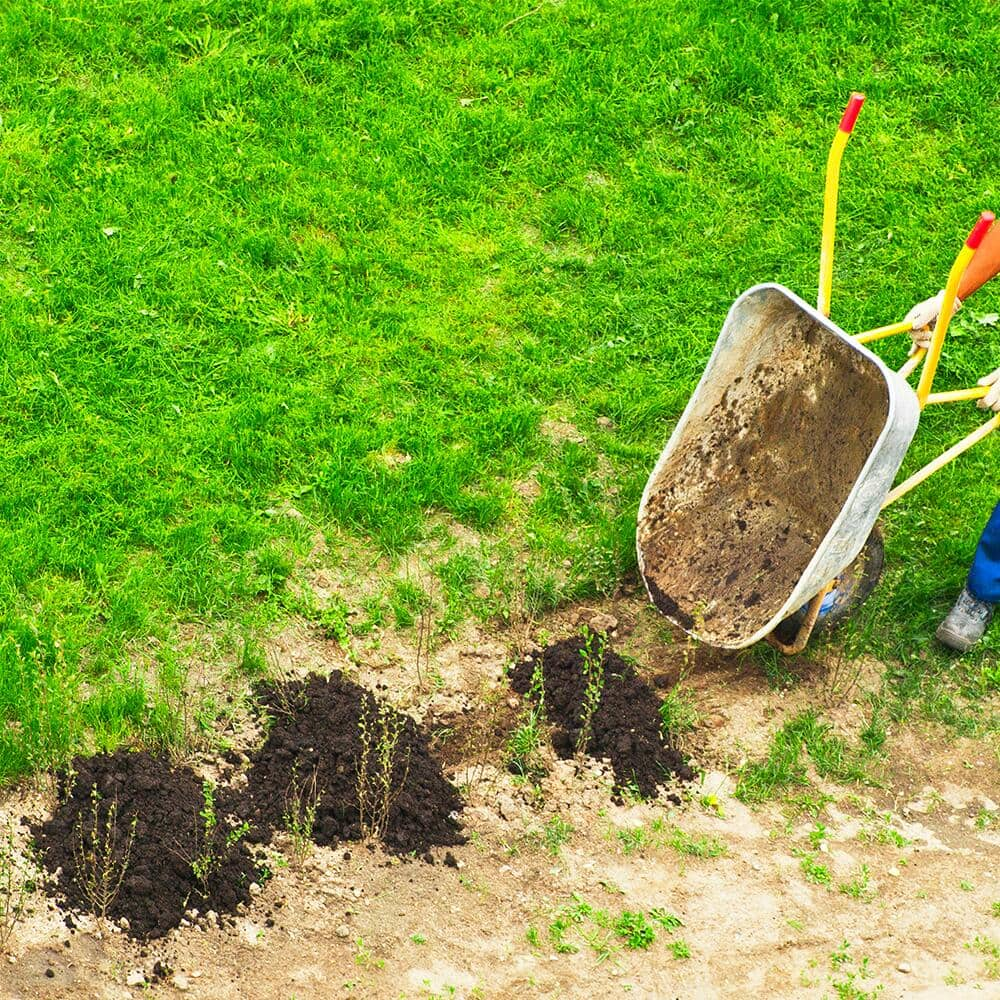
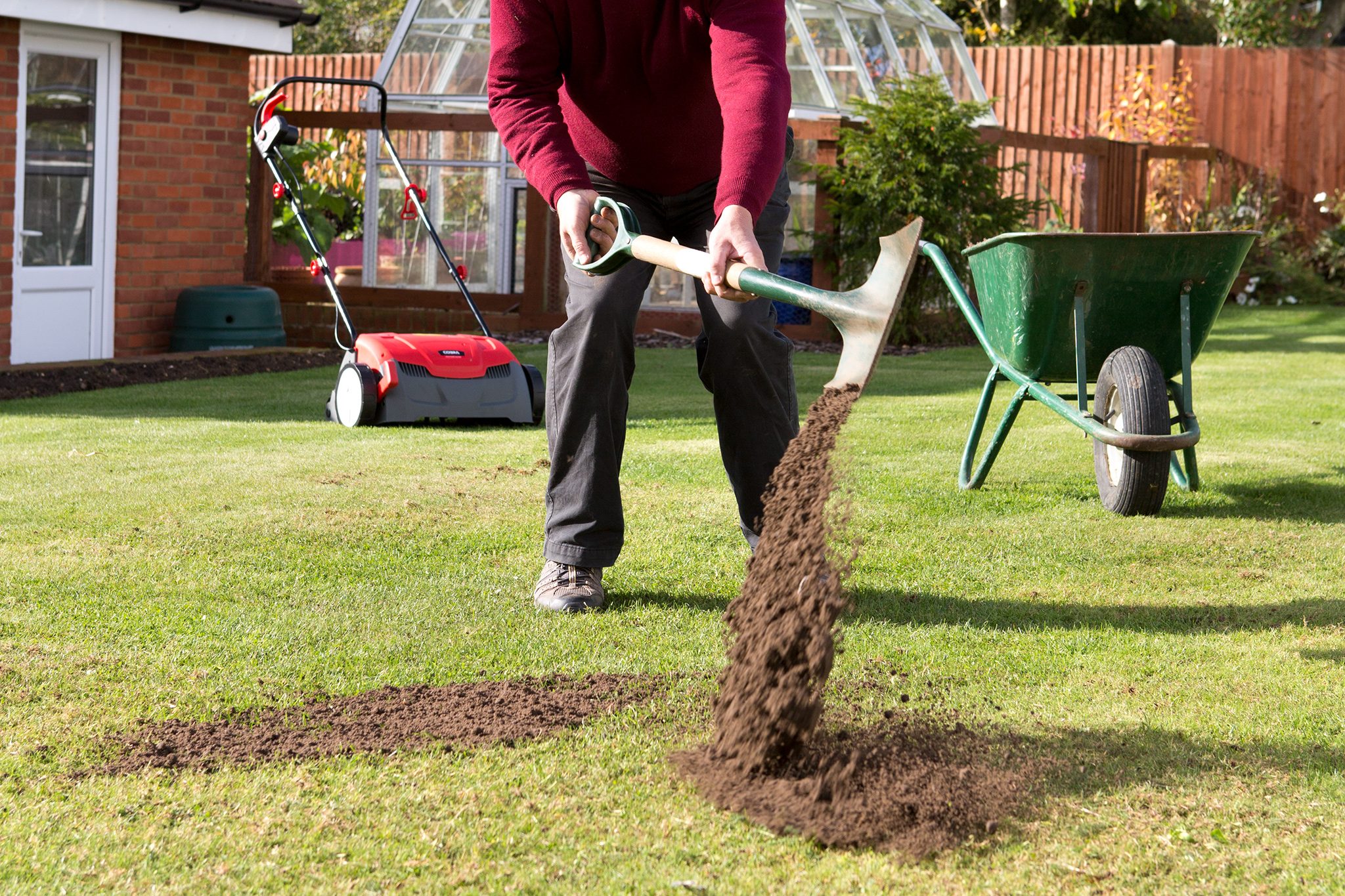
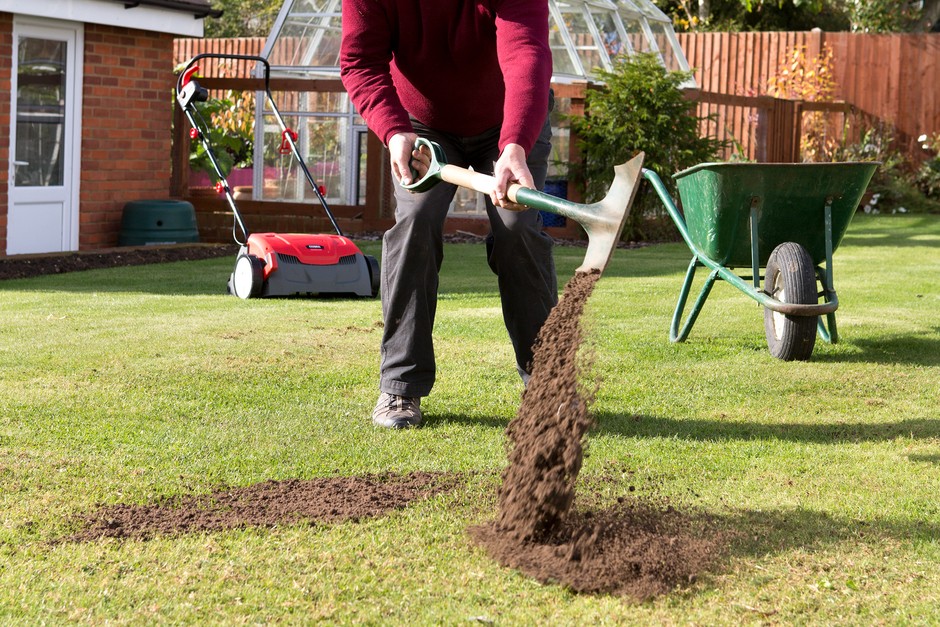
Use a shovel or wheelbarrow to move top dressing material. A garden rake helps spread it across the lawn. For larger areas, a lawn spreader works well. Start by placing small piles of the material at intervals. Then, use the rake to pull and spread it evenly.
Work in sections to keep control. Avoid dumping too much in one spot. Smooth movements with the rake prevent clumps. A broom or brush can help finish the surface for a fine, even layer.
Maintaining A Thin Layer
Keep the top dressing layer thin, about ¼ to ½ inch thick. Thick layers block sunlight and stop grass from growing. Thin layers settle into the soil and fill small holes. This promotes healthy root growth and better water drainage.
Check the thickness often during spreading. Add more material only if needed. Light, even layers protect grass and improve lawn texture. Patience and care pay off with a greener, healthier lawn.
Watering After Top Dressing
Watering after top dressing is essential for your lawn’s health. It helps the new soil settle and supports grass growth. Proper watering avoids drying out or waterlogging. This step improves soil contact and nutrient absorption. Follow the right watering schedule for best results.
Initial Watering Tips
Right after top dressing, water the lawn gently. Use a sprinkler to cover the area evenly. Water enough to moisten the new soil layer without washing it away. Keep the soil damp for the first few days. Avoid heavy watering that can cause runoff or puddles.
Ongoing Moisture Management
After the initial watering, maintain steady moisture levels. Water the lawn lightly every day for one to two weeks. Check the soil to keep it moist but not soggy. Gradually reduce watering frequency as the grass grows. Proper moisture helps roots grow into the new soil layer.
Frequency And Maintenance
Maintaining a healthy lawn requires regular care, and top dressing plays a key role. Knowing how often to top dress helps keep your grass green and even. Proper maintenance after top dressing ensures the lawn stays smooth and nutrient-rich. Timing and frequency depend on your lawn’s needs and soil condition.
Annual Vs As-needed Top Dressing
Some lawns benefit from top dressing once a year. This is common for lawns with heavy use or poor soil. Annual top dressing adds fresh soil and nutrients to the surface. It helps fix minor uneven spots and improves soil structure gradually.
Other lawns need top dressing only as needed. Look for signs like thin grass, uneven ground, or soil compaction. Applying top dressing too often can smother grass or cause drainage problems. Check your lawn each season to decide if it needs fresh soil.
Avoiding Lawn Grade Issues
Correct lawn grading is essential during top dressing. Adding too much soil at once can raise the lawn’s grade. This may cause water to pool or run off incorrectly. Spread top dressing thinly and evenly to maintain the lawn’s natural slope.
Use a rake to level the soil gently. Avoid piling soil around tree trunks or plant bases. Proper grading helps water drain well and prevents damage to roots. Keep checking the lawn after top dressing to fix any uneven spots early.
Benefits Of Top Dressing
Top dressing a lawn offers many benefits that improve its overall condition. It supports soil quality and helps grass grow stronger. These advantages make lawns healthier and more attractive.
Improved Soil Health
Top dressing adds a thin layer of material to the lawn surface. This layer helps mix organic matter into the soil. It improves soil texture and increases its ability to hold water.
Better soil means roots get more oxygen and nutrients. This helps grass survive drought and resist pests. It also reduces soil compaction, making it easier for roots to grow deep.
Enhanced Grass Growth And Appearance
Top dressing fills small holes and smooths uneven areas. This creates a flat, uniform surface that looks neat. Grass grows evenly without bare spots or bumps.
The added nutrients support healthier, greener grass. It encourages strong root systems and thick blades. Lawns become lush, dense, and more resistant to weeds and diseases.
Common Mistakes To Avoid
Top dressing your lawn helps improve soil and grass health. Avoid mistakes to get the best results. Mistakes can harm grass or waste your effort. Learn common errors to protect your lawn and save time.
Applying Too Thick A Layer
One major mistake is applying too thick a top dressing layer. Thick layers can smother grass blades. Grass struggles to grow through heavy soil or compost. Keep the layer thin, about ¼ to ½ inch. Thin layers help grass absorb nutrients and air. Thick layers block sunlight and water, harming grass roots. Spread material evenly for best results.
Top Dressing In Wrong Conditions
Top dressing during poor weather harms your lawn. Avoid doing it in wet or freezing conditions. Wet soil can become compacted and muddy. Freezing temperatures stop grass growth and damage roots. Choose dry days with mild temperatures instead. Top dress during your grass’s active growing season. This timing helps grass recover fast. Proper timing improves soil and grass health quickly.
Tips For Different Lawn Types
Top dressing a lawn varies with soil and grass types. Each lawn needs a unique approach to improve health and appearance. Understanding your lawn type helps you choose the right materials and methods. This ensures nutrients reach roots and soil structure improves effectively.
Adjusting For Clay Soils
Clay soils hold water and drain slowly. Use sand in your top dressing mix to improve drainage. Avoid heavy soil layers that can suffocate grass roots. Spread a thin layer, about ¼ inch, to prevent compaction. Work the sand gently into the lawn surface for best results.
Adding organic matter helps clay soil breathe better. Compost mixed with sand breaks up dense soil. It also feeds microbes and promotes root growth. Avoid top dressing during wet weather to prevent soil clumping.
Care For Sandy Or Loamy Lawns
Sandy soils drain quickly but lose nutrients fast. Use a mix of organic matter and topsoil for top dressing. This mix holds moisture and adds nutrients. Spread thin layers to avoid smothering grass blades.
Loamy soils are balanced and easy to work with. Use a mix of soil, sand, and compost for top dressing. This blend supports healthy root growth and soil structure. Top dress during the growing season to encourage quick recovery.
Credit: www.gardenersworld.com
Conclusion
Top dressing your lawn helps improve soil and grass health. Apply the right mix of soil, sand, and compost. Do this during your grass’s active growing season for best results. Prepare the lawn well before spreading the material. This simple step fills low spots and promotes strong roots.
With regular care, your lawn will look greener and smoother. Keep practicing these tips to enjoy a healthy, beautiful lawn year-round. Small efforts make a big difference in lawn care.