
Are you ready to bring life and freshness into your home with indoor plants? Taking care of them might seem tricky at first, but with the right tips, you can easily keep your green friends healthy and thriving.
Whether you’re a beginner or just looking to improve your plant care routine, this guide is made just for you. From choosing the perfect spot with the right light to watering without overdoing it, you’ll learn simple steps that make a big difference.
Stick with us, and soon your indoor plants will not only survive but flourish, adding beauty and calm to your space every day. Let’s dive in and discover how to care for your indoor plants the easy way!
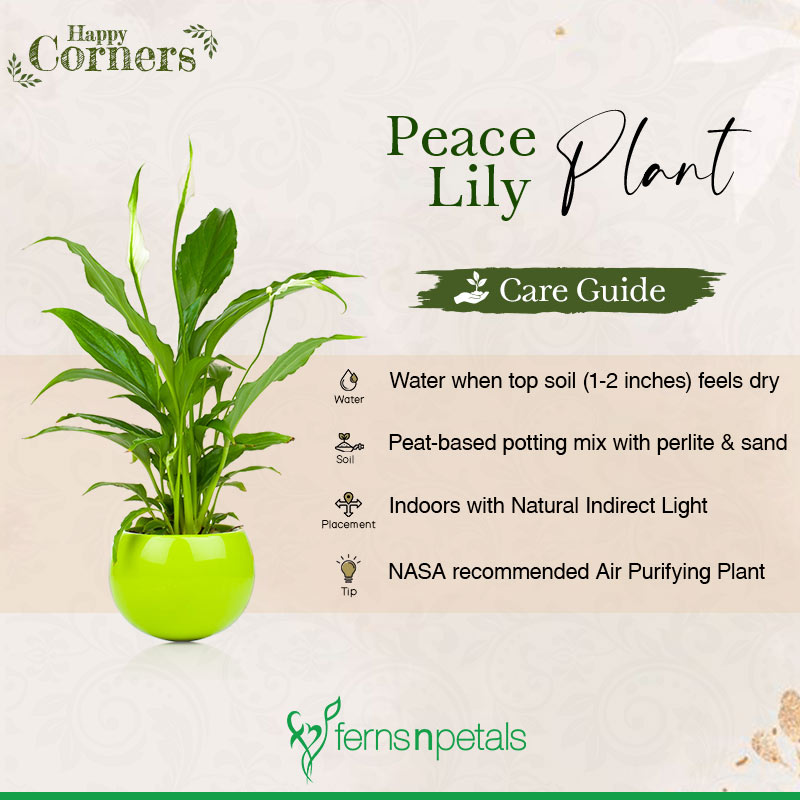
Credit: www.fnp.com
Light Needs
Light plays a vital role in indoor plant health. Each plant species has unique light needs. Understanding these needs helps plants grow strong and vibrant. The right light amount affects photosynthesis and overall growth. Too much light can burn leaves, while too little slows growth. Below are key light categories for indoor plants.
Bright Indirect Light
Most houseplants prefer bright, indirect light. Place them near windows with filtered sunlight. Avoid direct sun, which can scorch leaves. East or north-facing windows work well. Bright indirect light supports steady growth and vibrant leaves. Regularly rotate plants to expose all sides to light.
Direct Sun Plants
Cacti, succulents, and some herbs thrive in direct sunlight. A south-facing window is ideal. These plants absorb strong light and store water efficiently. Watch for signs of sunburn, like brown or crispy leaves. Gradually introduce new plants to direct sun to prevent shock.
Low Light Solutions
Some plants tolerate low light but grow slower. Snake plants, pothos, and ZZ plants do well in dim spots. Use grow lights to supplement natural light. Position lights about 12 inches above plants and keep them on for 12-14 hours daily. Low light plants still need some light to stay healthy.
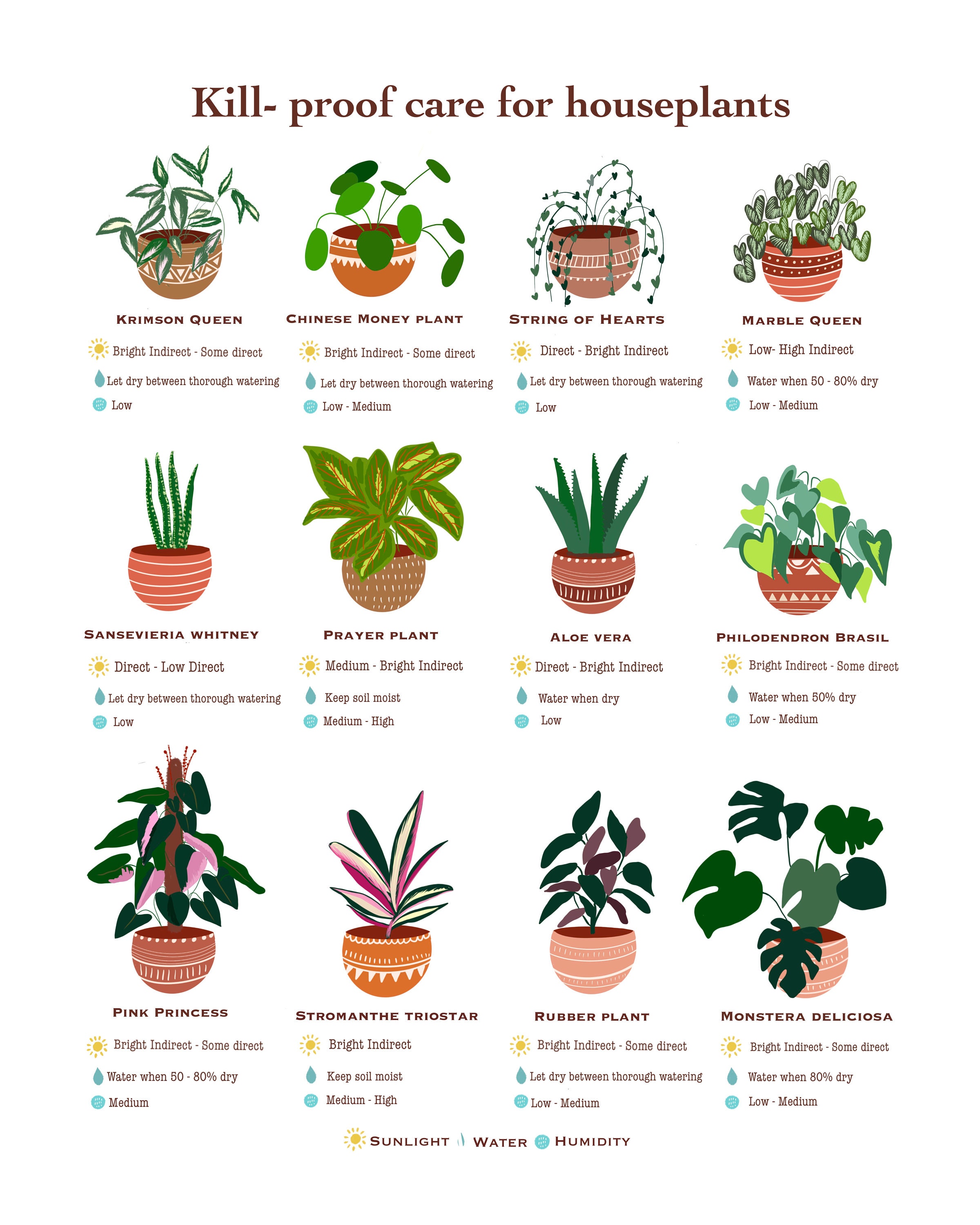
Credit: www.etsy.com
Watering Tips
Watering is a vital part of indoor plant care. Giving the right amount of water helps plants stay healthy and grow strong. Both overwatering and underwatering can harm your plants. Learning simple watering tips can make a big difference. These tips focus on knowing when and how much to water your plants.
Finger Test Method
The finger test is an easy way to check soil moisture. Stick your finger about an inch deep into the soil. If the soil feels dry, it is time to water. If it feels moist, wait a few days and check again. This method helps avoid overwatering and keeps roots healthy.
Drainage Importance
Pots with drainage holes prevent water from sitting at the bottom. Excess water can cause root rot and kill plants. Always choose pots that allow water to drain out. Use a well-draining potting mix to help water flow easily. Good drainage keeps roots fresh and plants happy.
Watering Technique
Water plants slowly and evenly to soak the soil well. Pour water until it flows out of the drainage holes. This ensures water reaches the roots deeply. Avoid watering the leaves to prevent fungal problems. Let excess water drain completely before placing pots back on trays.
Soil And Repotting
Soil and repotting are essential parts of indoor plant care. Healthy soil supports strong roots and steady growth. Repotting helps plants get more space and fresh nutrients. Knowing how to choose soil and when to repot keeps plants thriving.
Choosing Potting Mix
Select a potting mix made for indoor plants. It should be light and airy to hold moisture but drain well. Avoid garden soil; it is too heavy and can harm roots. Look for mixes with peat moss, perlite, or vermiculite. These ingredients improve air flow and water retention. Tailor the mix to your plant’s needs. Succulents need sandy mixes. Tropical plants prefer peat-based mixes.
Improving Drainage
Good drainage prevents water from staying in the soil too long. Too much water causes root rot. Use pots with drainage holes. Add a layer of small stones or broken pottery at the bottom. Mix perlite or coarse sand into the potting soil. This helps water flow through easily. Check drainage regularly and never let pots sit in water.
When To Repot
Repot plants every 1 to 2 years or when roots grow out of drainage holes. Check if the plant looks crowded or soil dries quickly. Repot in spring or early summer for best results. Choose a pot one size bigger than the current one. Gently loosen the roots before placing the plant in new soil. Water well after repotting to help roots settle.
Humidity And Air
Humidity and air quality play vital roles in the health of indoor plants. Many houseplants come from tropical regions where moisture levels are high. Dry indoor air can stress these plants, causing brown leaf tips and slow growth. Good air circulation also helps prevent pests and diseases. Understanding how to manage humidity and fresh air improves your plants’ chances of thriving indoors.
Boosting Humidity
Increase humidity by grouping plants together. This creates a small, moist environment around them. Misting leaves with water adds temporary moisture but avoid overdoing it to prevent mold. Place a tray filled with water and pebbles under pots. As the water evaporates, it raises humidity near the plant. Use a room humidifier for consistent moisture, especially in dry seasons. These simple steps help tropical plants feel at home.
Fresh Air Benefits
Opening windows regularly lets fresh air circulate. This reduces stale air around plants and lowers the risk of fungus. Proper airflow strengthens plant stems and encourages gas exchange. Avoid placing plants where cold drafts can harm them. A well-ventilated room supports healthy photosynthesis and growth. Fresh air and gentle breezes keep indoor plants lively and disease-free.
Maintenance Routine
Maintaining a regular routine is vital for healthy indoor plants. It keeps them vibrant and growing strong. A good maintenance routine involves simple tasks done regularly. These tasks help plants get enough light, air, and water. They also prevent diseases and pests. Following these steps helps indoor plants stay beautiful and last longer.
Pruning Dead Leaves
Remove dead or yellow leaves promptly. This stops disease spread and improves plant appearance. Use clean, sharp scissors or pruning shears. Cut leaves close to the stem without damaging healthy parts. Regular pruning encourages new growth and keeps plants tidy.
Cleaning Foliage
Dust and dirt block light from reaching leaves. Clean leaves gently using a damp cloth or soft brush. For small plants, rinse leaves under lukewarm water. Cleaning helps plants breathe and absorb light better. It also prevents pest infestations that hide in dust.
Rotating Plants
Turn plants regularly to ensure even light exposure. Plants lean toward light sources, causing uneven growth. Rotating helps all sides get enough light. Make a habit to rotate plants once a week. This keeps your indoor plants balanced and healthy.
Plant-specific Care
Each indoor plant has unique needs. Understanding these helps your plants grow strong and healthy. Plant-specific care means adjusting water, light, and soil to fit each species.
Some plants like more water, others less. Some need bright light, while others thrive in shade. Learning these details improves your plant’s life and appearance.
Pothos Tips
Pothos plants are easy to care for. They like bright, indirect light but can survive in low light. Water them when the top inch of soil feels dry. Avoid overwatering to prevent root rot. Pothos grow fast, so prune occasionally to keep them bushy. Use a well-draining potting mix for best results.
Snake Plant Tips
Snake plants are tough and need little water. Let the soil dry completely before watering again. They prefer indirect light but tolerate low light well. Avoid direct sunlight as it can burn the leaves. Use a sandy, well-draining soil to prevent water buildup. Snake plants grow slowly, so repot only every 2-3 years.
Fiddle Leaf Fig Tips
Fiddle Leaf Figs need bright, indirect light to thrive. Water when the top inch of soil is dry but avoid letting the soil stay soggy. They prefer high humidity, so mist leaves or use a humidifier. Rotate the plant often to keep it growing evenly. Wipe leaves gently to remove dust and help photosynthesis.
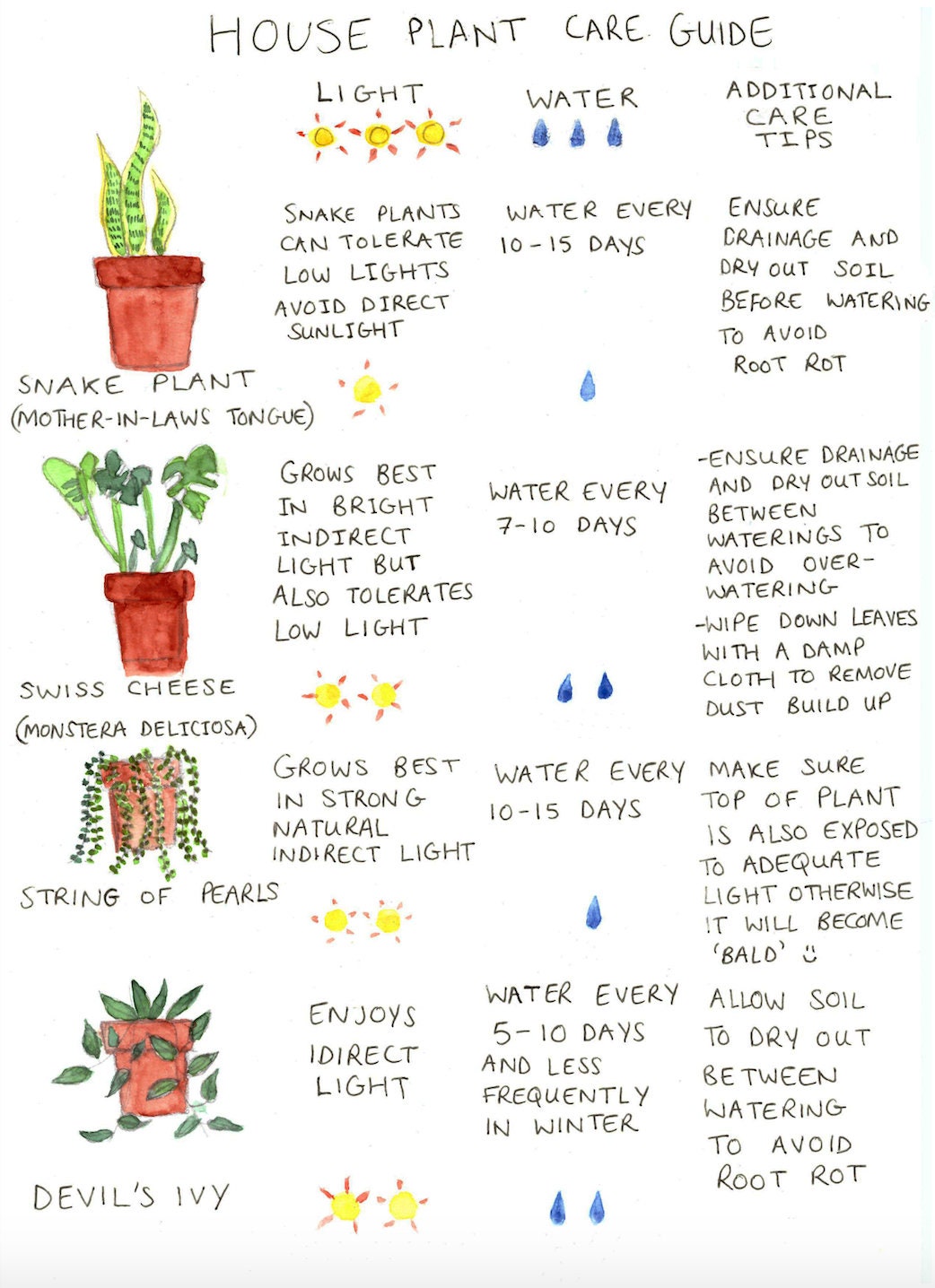
Credit: www.etsy.com
Frequently Asked Questions
How To Care For Indoor Plants For Beginners?
Place plants in bright, indirect light. Water only when the topsoil feels dry. Use well-draining soil and pots with drainage holes. Check for pests and prune dead leaves. Rotate plants regularly for even growth and clean leaves to improve light absorption.
Should I Cut The Brown Tips Off My Plant?
Trim brown tips carefully to improve your plant’s appearance. Avoid cutting into healthy tissue to prevent stress or infection.
How To Keep Plants Healthy Indoors?
Place plants in bright, indirect light and water only when topsoil feels dry. Use well-draining soil and pots with drainage holes. Prune dead leaves, clean foliage, and rotate plants regularly. Boost humidity by misting or grouping plants. Check for pests and provide fresh air occasionally.
What Not To Do With Indoor Plants?
Avoid overwatering or letting plants sit in water, which causes root rot. Don’t expose plants to direct harsh sunlight unless suited. Avoid using heavy or non-draining soil. Never ignore pest infestations or yellowing leaves. Skip placing plants in drafty or extremely dry areas.
Conclusion
Caring for indoor plants does not have to be hard. Focus on giving them the right light and water. Use well-draining soil and pots with holes to avoid root problems. Check leaves often and remove any dead or yellow ones.
Rotate your plants to help them grow evenly. Small steps like these keep plants healthy and happy. Enjoy the beauty and fresh air they bring to your home. With patience and care, your indoor garden will thrive.