
Are you struggling to make your space feel just right? You’re not alone.
Many people unknowingly make simple interior design mistakes that can make their home look smaller, cluttered, or even cheap. But what if a few easy changes could transform your rooms into inviting, stylish areas you love? You’ll discover the most common interior design mistakes and how to fix them.
By avoiding these pitfalls, you can create a home that feels balanced, welcoming, and truly yours. Ready to unlock the secrets to better design? Keep reading, and let’s get started!
Common Design Errors
Many people face common design errors that affect their home’s look and feel. These mistakes can make rooms feel uncomfortable or awkward. Fixing them improves space use and style. Understanding these errors helps create a better living space.
Furniture Placement Issues
Placing furniture too close or too far apart breaks a room’s flow. Blocking pathways makes moving difficult. Avoid pushing all pieces against walls. Group furniture to encourage conversation and use.
Ignoring Room Scale
Using furniture too big or too small harms room balance. Oversized items crowd space, while tiny pieces feel lost. Choose items that fit well with the room’s size. Measure before buying to ensure proper scale.
Poor Lighting Choices
Bad lighting makes rooms look dull or harsh. Relying on one light source creates shadows. Mix ambient, task, and accent lighting for depth. Use softer bulbs to create a warm feel.
Curtain Hanging Mistakes
Hanging curtains too low or too short shrinks window size visually. Mount curtains closer to the ceiling and let them reach the floor. This adds height and elegance to the room.
Neglecting Focal Points
Every room needs a clear focal point like a fireplace or artwork. Without one, spaces feel bland and uninviting. Arrange furniture and decor around the focal point to draw attention.
Overcluttering Spaces
Too many items make rooms feel cramped and messy. Keep surfaces clear and limit decor pieces. Select meaningful items that add style without overcrowding.
Furniture & Layout Tips
Choosing the right furniture and arranging it well shapes your room’s comfort and style. A good layout makes moving easy and keeps the space inviting. Many people make mistakes by cramming furniture or ignoring balance. Simple tips help avoid these common errors and improve your home’s look instantly.
Floating Furniture For Flow
Don’t push all furniture against walls. Floating pieces create open pathways and better movement. Place sofas and chairs a few inches away from walls. This setup feels more relaxed and natural. It also allows light to flow, making rooms look bigger. Use rugs to anchor floating furniture and define seating areas.
Mixing Furniture Scales
Use different furniture sizes to add interest. Big sofas with small side tables create balance. Avoid all large or all small pieces together. Mixing scales keeps the room dynamic and comfortable. It also helps highlight special items like a vintage chair or a modern lamp. Keep the overall size suitable for your room’s space.
Creating Functional Zones
Divide your room into clear areas for different activities. For example, a reading nook, dining space, or work corner. Use rugs, lighting, or furniture placement to separate zones. Each zone should feel cozy and purposeful. This approach makes large rooms feel organized and small rooms seem larger.
Color & Style Mistakes
Choosing the right colors and styles shapes the mood of any room. Mistakes in this area often make spaces feel chaotic or dull. Knowing common pitfalls helps create a balanced, inviting home. Focus on harmony to avoid these common interior design errors.
Unbalanced Color Palettes
Colors set the tone of your room. Using too many different hues can cause confusion. Stick to a few main colors and add accents. This approach creates a calm and cohesive look. Avoid mixing bright and muted tones without a clear plan. Balance keeps the eye comfortable and the space unified.
Clashing Design Styles
Mixing styles can add character but requires care. Combining modern furniture with vintage pieces might clash. Choose styles that complement each other or share similar elements. Too many contrasting styles create visual noise. Aim for harmony by blending colors, shapes, or materials thoughtfully.
Overusing Bold Colors
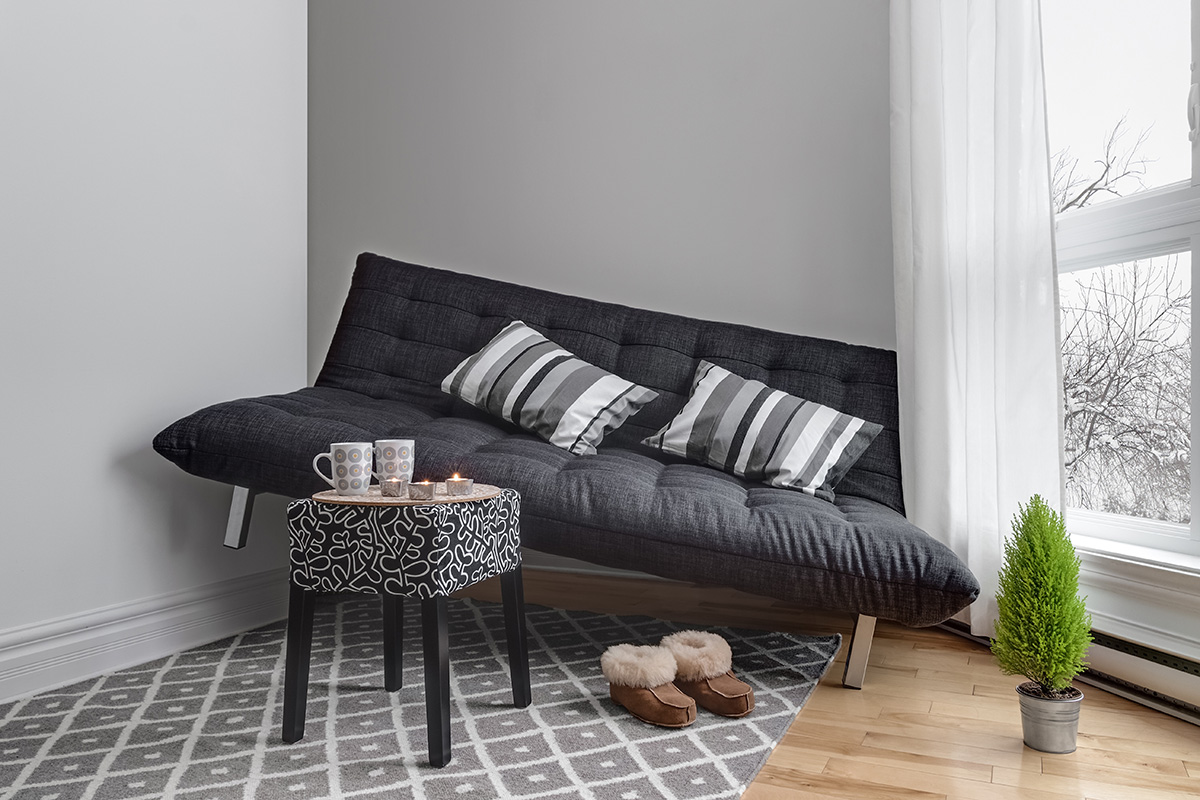
Bold colors bring energy but can overwhelm a room. Using them on every wall or piece of furniture feels too intense. Limit bold shades to one or two accents. This method draws attention without tiring the eyes. Too much bold color reduces comfort and balance in a space.
Credit: foyr.com
Balancing Color & Texture
Balancing color and texture is key to a beautiful interior. It creates harmony and interest in any room. Without balance, spaces can feel flat or chaotic. Using a mix of colors and textures adds depth and personality. This section covers how to use neutral bases, add accents, and mix materials effectively.
Dominant Neutral Bases
Start with a neutral base for walls and big furniture. Soft shades like beige, gray, or white work well. Neutrals create a calm, flexible backdrop. They let other colors and textures stand out. Keep textures subtle here, such as smooth walls or soft rugs. This base anchors the room and prevents visual overload.
Adding Contrasting Accents
Use bold colors in small doses to add contrast. Bright pillows, artwork, or vases catch the eye. Accents break the monotony of neutral tones. Choose colors that pop but still blend with the base. These touches create focal points and energy. Avoid too many accents, or the room feels busy.
Mixing Materials And Patterns
Combine different materials to bring texture variety. Pair wood with metal, glass, or fabric for interest. Mix patterns carefully to avoid clashing. Use one dominant pattern with smaller, simpler ones. Texture can come from rugs, cushions, or curtains. This mix makes spaces feel rich and layered without chaos.
Rule Of Odds In Decor
The rule of odds is a simple design trick that makes spaces feel balanced and interesting. It suggests arranging decor items in odd numbers like three, five, or seven. Odd groupings look more natural and less forced than even numbers. They create a dynamic yet harmonious visual effect that draws the eye and adds charm to any room.
This rule works well in many settings, from small shelves to large mantelpieces. Using odd numbers encourages creativity and helps avoid clutter or emptiness. Let’s explore how to apply this rule effectively in interior design.
Grouping Objects In Threes Or Fives
Group items in threes for small displays, such as candles or vases. Three objects create a neat focal point without overcrowding. For medium spaces, five items work well, like books and decorative pieces on a shelf. Five adds more interest while keeping balance.
Use seven objects for larger statements. This suits bigger shelves or wall art collections. Seven creates a bold and lively arrangement that anchors the room. Odd numbers prevent a static, symmetrical look and keep the decor engaging.
Varying Heights And Textures
Mix different heights to add depth to your groupings. Tall, medium, and short items create a layered effect. This variation stops the display from feeling flat or dull. Combine smooth, rough, and soft textures for a richer look.
Texture differences catch light differently and keep the eye moving. For example, pair a shiny vase with a rough wooden bowl and a soft fabric item. This adds tactile interest and makes the display feel more alive.
Creating Triangular Arrangements
Arrange items in a triangle shape to achieve natural balance. The triangle guides the eye smoothly across the objects. Place the tallest item at the back or center, with smaller ones around it. This shape feels stable and pleasing.
Triangular setups work well on tables, shelves, and mantels. They help avoid clutter and keep the focus clear. Triangles are a simple way to follow the rule of odds and create harmony.
Focusing On Organic Balance
Aim for an organic balance, not perfect symmetry. Odd groupings should feel relaxed and lived-in. Avoid placing items in strict lines or perfect mirroring. Instead, let pieces overlap slightly or lean naturally.
Organic balance makes the space inviting and personal. It reflects how people actually live and use their rooms. This approach prevents decor from feeling stiff or staged. The rule of odds helps create a warm, balanced look that flows easily.
Credit: www.youtube.com
Lighting Strategies
Lighting plays a vital role in interior design. Poor lighting choices can make a beautiful room look dull. Effective lighting strategies improve mood and functionality. Brightness, warmth, and direction of light impact the space’s feel. Avoid common lighting mistakes to enhance your home’s appeal.
Layering Light Sources
Layering light means using different types of lights together. Combine ambient, task, and accent lighting for balance. Ambient light brightens the whole room softly. Task lighting focuses on specific work areas. Accent lights highlight artwork or architectural features. This mix creates depth and interest in any room.
Highlighting Focal Areas
Focal areas draw attention and add style. Use lighting to emphasize these spots clearly. Position lights above or beside key objects like paintings or shelves. Spotlights and wall sconces work well here. Highlighting focal points guides the eye and adds character. Avoid flat lighting that hides important details.
Using Dimmer Controls
Dimmer switches allow you to adjust light intensity easily. This control changes the room’s mood instantly. Bright light suits active tasks, while dim light creates calm. Dimmers save energy and extend bulb life too. Install dimmers in living rooms and bedrooms for flexibility. They make lighting adaptable and comfortable for all times.
Curtain & Window Treatments
Curtain and window treatments shape the look and feel of any room. They do more than cover windows. They add texture, color, and style. Choosing the right curtains affects the room’s mood and function. Mistakes in this area can make a space feel awkward or unfinished. Understanding key details helps avoid common errors and enhances your interior design.
Correct Curtain Height
Hang curtains at the right height to create an elegant look. Curtains should start just above the window frame. Extending the rod closer to the ceiling makes the room seem taller. Let curtains fall all the way to the floor. Avoid curtains that stop at the window sill. Too short curtains break the visual flow. Floor-length curtains add softness and balance to the space.
Choosing Appropriate Fabrics
Select curtain fabrics that match the room’s purpose and style. Lightweight fabrics work well for airy, casual rooms. Heavy fabrics suit formal spaces and add warmth. Avoid thick fabrics in small rooms; they can feel heavy. Consider durability and ease of cleaning too. Sheer fabrics offer lightness but less privacy. Mix fabrics for layered looks and added texture.
Balancing Light And Privacy
Good window treatments balance natural light and privacy. Use sheer curtains to soften sunlight without blocking it. Pair sheers with heavier drapes for full privacy at night. Avoid dark curtains in small rooms to keep spaces bright. Reflective blinds can reduce glare while keeping privacy. The right balance enhances comfort and energy efficiency in your home.
Personalization Without Clutter
Personalization enriches any interior space. It reflects your personality and tells your story. Yet, personalization can easily become clutter. Clutter overwhelms the senses and spoils the design. The key lies in adding personal touches smartly. Balance your unique style with clean, organized spaces.
Incorporating Unique Artifacts
Artifacts make your space distinct and memorable. Choose pieces with personal meaning or history. A vintage clock, handmade pottery, or travel souvenirs work well. Place these artifacts where they can be noticed but not crowded. Limit the number to avoid visual chaos. Each item should add character without overwhelming the room.
Curating Meaningful Displays
Group objects in odd numbers like three, five, or seven. Odd numbers create a natural, balanced look. Mix heights and textures within these groups for depth. Use a triangle shape to arrange items for easy balance. Think of stacks of books or plates as single units. This approach creates dynamic yet organized displays.
Avoiding Overcrowding
Overcrowding makes rooms feel small and messy. Leave breathing room around your items. Space allows each object to stand out. Limit the number of decorations on shelves and tables. Use larger statement pieces instead of many small items. This method keeps your space open and inviting.
Sustainable Design Choices
Sustainable design choices help reduce waste and protect the environment. They also create healthier, more comfortable homes. Choosing the right pieces and materials is key. Combining style with care for the planet makes a big difference in your space.
Mixing New And Vintage Pieces
Using both new and vintage items adds character to your home. Vintage pieces often have unique charm and good quality. New items can bring fresh style and function. This mix reduces the need for new production, lowering environmental impact. It also saves money and creates a more personal space.
Choosing Eco-friendly Materials
Select materials that come from renewable or recycled sources. Wood from sustainable forests, bamboo, and cork are great choices. Avoid plastics and synthetic fabrics that harm the planet. Natural fibers like cotton, wool, and linen are better for health and environment. Eco-friendly paints and finishes reduce harmful chemicals indoors.
Creating Timeless Interiors
Timeless designs avoid fast trends that soon look outdated. Choose simple shapes and classic colors that last long. This means fewer changes and less waste over time. Investing in quality pieces that endure helps maintain style and function. A timeless interior feels fresh and inviting for years.

Credit: www.decorpot.com
Conclusion
Avoiding common interior design mistakes can transform your space. Small changes create big visual impact. Use odd-number groupings for a natural look. Balance colors, textures, and personal items well. Keep your style consistent but add contrast. These tips help your home feel inviting and unique.
Enjoy designing a space that truly reflects you.