
Imagine walking into your home and instantly feeling calm, focused, and free from distractions. That’s the power of minimalism in interior design.
If you’ve ever felt overwhelmed by clutter or struggled to create a space that truly feels like a sanctuary, minimalism offers a clear, simple solution. By focusing on clean lines, essential pieces, and thoughtful choices, you can transform your rooms into serene environments that invite relaxation and mindfulness.
Ready to discover how less can truly be more in your home? Keep reading to unlock the secrets of minimalist interior design and learn how to create a space that works beautifully for you.
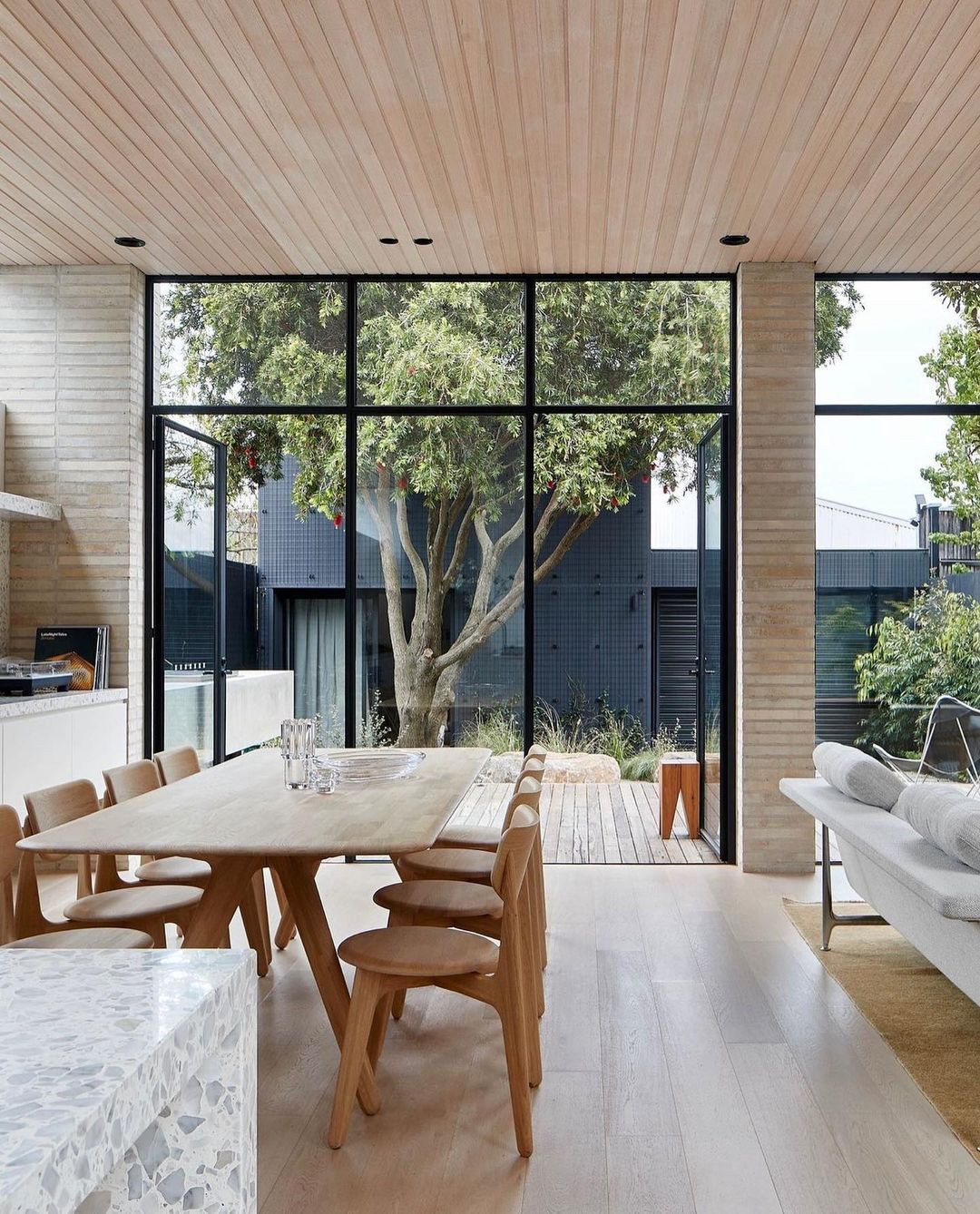
Credit: decormatters.com
Core Principles
The core principles of minimalism in interior design create calm and order. These principles focus on simplicity, clarity, and purpose. They help transform any room into a peaceful, functional space that feels open and inviting.
Minimalism values quality over quantity. Every element must have meaning and serve a practical use. The design avoids clutter and visual noise. Instead, it emphasizes clean lines, neutral colors, and natural materials. This approach creates a timeless and elegant atmosphere.
Essential Items Only
Keep only what you truly need and love. Each item should have a clear function or meaning. Avoid extra decor or furniture that clutters the space. This helps create a clean, open environment that feels spacious and calm.
Clean Lines And Shapes
Focus on simple, straight lines and smooth shapes. Avoid ornate or overly decorative details. Clean lines create a sense of order and clarity. Geometric shapes add balance and structure to the room.
Neutral Color Schemes
Use soft, muted colors like white, beige, gray, and black. These shades create a soothing, calm backdrop. Neutral colors make the space feel larger and brighter. They also allow natural light and textures to stand out.
Functional Furniture
Choose furniture that serves a clear purpose. Every piece should be both useful and visually pleasing. Avoid bulky or overly decorative items. Functional furniture keeps the space uncluttered and easy to use.
Maximizing Natural Light
Let in as much natural light as possible. Large windows and open layouts help sunlight flow freely. Natural light enhances the feeling of openness and warmth. It also reduces the need for artificial lighting during the day.
Using Natural Materials
Incorporate materials like wood, stone, cotton, and linen. These add warmth and texture to the space. Natural materials prevent the room from feeling cold or sterile. They create a connection with nature and promote calmness.
Steps To Minimalism
Adopting minimalism in interior design involves thoughtful and careful steps. It’s about removing excess, focusing on essentials, and creating calm spaces. These steps help transform cluttered rooms into peaceful, stylish areas.
Follow these key steps to bring minimalism into your home with ease and clarity.
Declutter Thoroughly
Start by removing all unnecessary items. Keep only what you truly need or love. Clear surfaces and floors to open up the space. This creates a fresh, airy feeling instantly.
Select Quality Pieces
Choose furniture and decor with strong design and lasting materials. Focus on simple shapes and clean lines. Quality pieces look better and last longer than many cheap items.
Incorporate Texture
Use different textures to add warmth and interest. Natural fabrics like cotton, linen, or wool work well. Textured rugs, cushions, and throws prevent the room from feeling cold.
Choose Statement Items
Select one or two bold pieces to act as focal points. This could be a large artwork or a unique light fixture. Statement items add personality without cluttering the space.
Create Open Spaces
Arrange furniture to allow easy movement and open sightlines. Avoid overcrowding any area with too many objects. Open spaces enhance light flow and make rooms feel bigger and calm.
Benefits Of Minimalism
Minimalism in interior design offers more than just a clean look. It brings many benefits that improve how you live and feel in your space. By focusing on simplicity and purpose, minimalism creates rooms that feel open, peaceful, and inviting. The benefits below show why this style continues to attract many homeowners and designers alike.
Promotes Calmness
Minimalism removes clutter and distractions. This helps to lower stress and create a peaceful environment. Open spaces and simple designs allow your mind to relax. Natural light and neutral colors add to the calm atmosphere. Living in a calm space can improve focus and overall well-being.
Focuses On Essentials
Minimalism encourages keeping only what is necessary. Every piece of furniture or decor has a purpose. This approach saves time and effort spent on cleaning and organizing. It also supports intentional living by valuing quality over quantity. Focusing on essentials helps you appreciate what truly matters.
Offers Timeless Style
Minimalist design avoids trends that quickly fade. Clean lines and neutral colors create a classic look. This style remains fresh and elegant over time. Investing in timeless pieces saves money in the long run. A minimalist home always feels modern and stylish without extra effort.
Minimalism Vs Maximalism
Minimalism and maximalism represent two very different approaches in interior design. Each style expresses unique values and aesthetics. Choosing between them affects how a space feels and functions.
Minimalism focuses on simplicity and clarity. Maximalism embraces abundance and rich detail. Both have loyal followers and distinct visual languages.
Design Philosophy Differences
Minimalism values “less is more.” It strips away excess to highlight essentials. Spaces are calm and uncluttered. Furniture and decor serve clear purposes.
Maximalism celebrates “more is more.” It layers colors, patterns, and objects. Spaces feel vibrant and full of personality. Every item adds to the story.
Visual Impact Comparison
Minimalist rooms look open and airy. Neutral colors and simple forms create peace. Natural light plays a big role. Every detail is purposeful and refined.
Maximalist spaces are bold and lively. Bright colors and rich textures catch the eye. Walls may be filled with art and collections. The look is dramatic and dynamic.
Lifestyle Implications
Minimalism encourages mindful living and calm minds. It reduces distractions and clutter in daily life. Spaces support focus and relaxation.
Maximalism suits those who love creativity and expression. It welcomes personal collections and memories. The home becomes a lively reflection of its owner.
Material Choices
Choosing the right materials is key in minimalist interior design. Materials bring texture, warmth, and character to simple spaces. The goal is to select natural, durable, and understated elements. These choices enhance the calm and clean feel of minimalism. Each material should complement the design without overwhelming it.
Wood And Stone
Wood and stone are classic materials in minimalism. Wood adds warmth with its natural grains and tones. Stone offers a cool, solid feel that anchors a room. Both materials create a timeless look and connect indoors to nature. They work well in floors, walls, and furniture. Using these elements keeps spaces grounded and inviting.
Natural Fabrics
Natural fabrics like cotton, linen, and wool soften minimalist interiors. These textiles add subtle texture without loud patterns. They feel comfortable and breathable, perfect for cushions, curtains, and rugs. Natural fabrics maintain a simple, organic vibe. They support the goal of creating calm, lived-in spaces.
Simple Finishes
Minimalist design favors simple, matte, or satin finishes. These finishes avoid shine and glare, promoting a quiet elegance. Painting walls in soft neutrals or using clear varnishes on wood works well. Simple finishes highlight the material’s true beauty. They help keep the look clean and uncluttered.
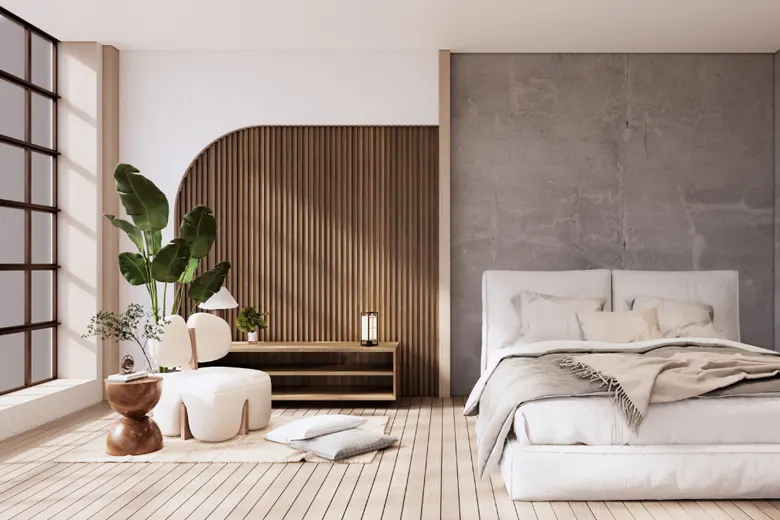
Credit: www.andacademy.com
Color Palette Ideas
Choosing the right color palette is key in minimalist interior design. Colors set the mood and highlight simplicity. They help create calm, spacious, and inviting rooms. Minimalism often uses neutral tones to enhance natural light and clean lines. Here are some popular color palette ideas to inspire your minimalist space.
Soft Whites And Beiges
Soft whites and beiges form a warm, gentle background. These colors reflect light, making rooms feel larger and brighter. They create a peaceful, airy atmosphere that invites relaxation. Use variations like cream, ivory, and light taupe for subtle depth. These shades work well with natural materials such as wood and linen.
Grays And Blacks
Grays and blacks add sophistication and modernity to minimalist spaces. Light gray tones keep rooms bright while adding cool contrast. Dark grays and blacks provide striking accents without cluttering the visual field. Use black sparingly on furniture or fixtures to create bold focal points. This palette pairs nicely with metal and glass elements.
Monochromatic Layers
Monochromatic layers build interest using one color in different shades. This approach keeps the design unified and clean. For example, combining pale blue walls with navy cushions and sky blue rugs. It adds texture and depth without overwhelming simplicity. This technique enhances the minimalist style’s calm and orderly feel.
Furniture Selection
Choosing the right furniture is key to minimalist interior design. It shapes the space without overcrowding it.
Each piece should add value and keep the room feeling open and calm. Focus on simplicity and purpose.
Streamlined Designs
Minimalist furniture often features clean lines and smooth surfaces. Shapes are simple, avoiding extra details.
This style keeps the eye moving easily around the room. It helps maintain a neat, uncluttered look.
Functional And Aesthetic
Furniture must serve practical needs and look good. Every item has a clear role in the space.
Combining function with beauty creates harmony. It prevents unnecessary objects from filling the room.
Quality Over Quantity
Choose fewer pieces made from durable materials. Quality furniture lasts longer and feels more comfortable.
Investing in good items reduces clutter. It supports a peaceful and purposeful living environment.
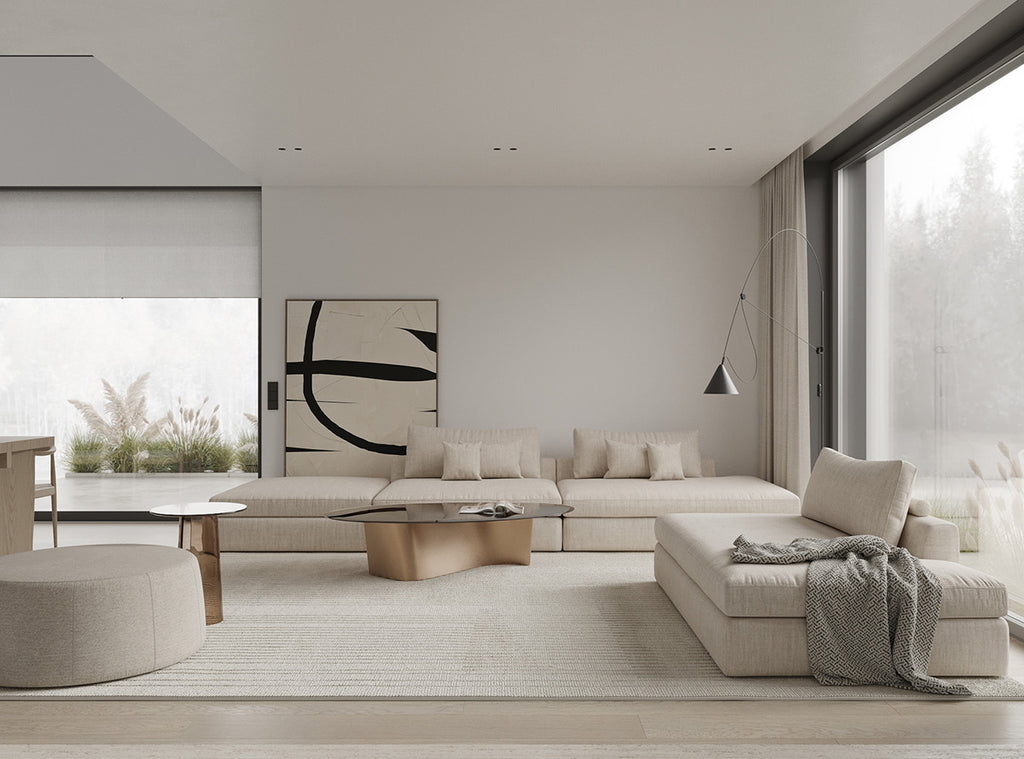
Credit: vauntdesign.com
Decor Tips
Decor plays a key role in minimalist interior design. It enhances simplicity while adding personality and warmth. Choosing the right decor items keeps the space clean and inviting. Each piece should have a purpose and create visual interest without clutter.
Minimal Art Pieces
Select art with simple lines and muted colors. Minimal art brings calm and focus to a room. Large, bold pieces create a striking effect without overwhelming the space. Frame art with clean edges to keep the look crisp. One or two well-chosen pieces maintain balance and draw attention.
Sculptural Accents
Sculptural decor adds dimension and texture. Choose items with smooth, organic shapes or geometric forms. Materials like wood, stone, or metal work well in minimalist spaces. Keep the number of sculptures low to avoid clutter. Place them where they can be admired, such as shelves or side tables.
Lighting As Focal Point
Lighting serves both function and style in minimal design. Use fixtures with sleek, simple designs to highlight the space. Pendant lights, floor lamps, or wall sconces can act as art pieces. Soft, warm light creates a cozy atmosphere. Position lights to emphasize architectural features or key decor elements.
Space Planning
Space planning is a key part of minimalist interior design. It means arranging rooms and furniture to create open, calm, and useful areas. Good space planning helps the home feel bigger and more peaceful. It also makes sure every item has a purpose and place.
Minimalism depends on balance and simplicity. Space planning removes clutter and keeps only what matters. This creates a smooth flow and lets natural light fill the room. Careful choices in layout make the space feel fresh and inviting.
Open Floor Layouts
Open floor layouts remove walls and barriers between rooms. This design allows air and light to move freely. It gives a sense of space and freedom. Open layouts also make furniture placement easier and more flexible. They support social interaction and create a relaxed atmosphere.
Uncluttered Surfaces
Uncluttered surfaces are central to minimalism. Clear tables, counters, and shelves reduce distractions. They highlight key elements like art or natural materials. Keeping surfaces clean helps maintain calm and order. It also makes cleaning faster and the space look neat.
Balanced Arrangement
A balanced arrangement means placing furniture and decor evenly. It avoids crowding one area and leaving others empty. Balance creates harmony and visual comfort. It also improves movement and function in the room. Every piece should fit well and serve its purpose.
Conclusion
Minimalism in interior design creates calm, clean, and open spaces. It helps you focus on what truly matters. Using simple shapes and neutral colors brings peace to any room. Choosing quality furniture and natural materials adds warmth and style. Removing clutter makes your home feel larger and more inviting.
A few special pieces can stand out without overwhelming the space. Embracing minimalism means living with intention and enjoying timeless beauty. This style fits any home and suits many tastes. Try it to see how less can really be more.