
Imagine stepping into your home and instantly feeling calm, focused, and free. That’s the power of minimalist living spaces.
By cutting out clutter and keeping only what truly matters, you create a sanctuary that works for you—not against you. If you’ve ever felt overwhelmed by too much stuff or cramped rooms, this approach can change everything. You’ll discover simple ways to transform your space into a peaceful retreat.
Ready to unlock the secret to more clarity, comfort, and style in your home? Keep reading and let’s make your living space work harder, so you can live better.
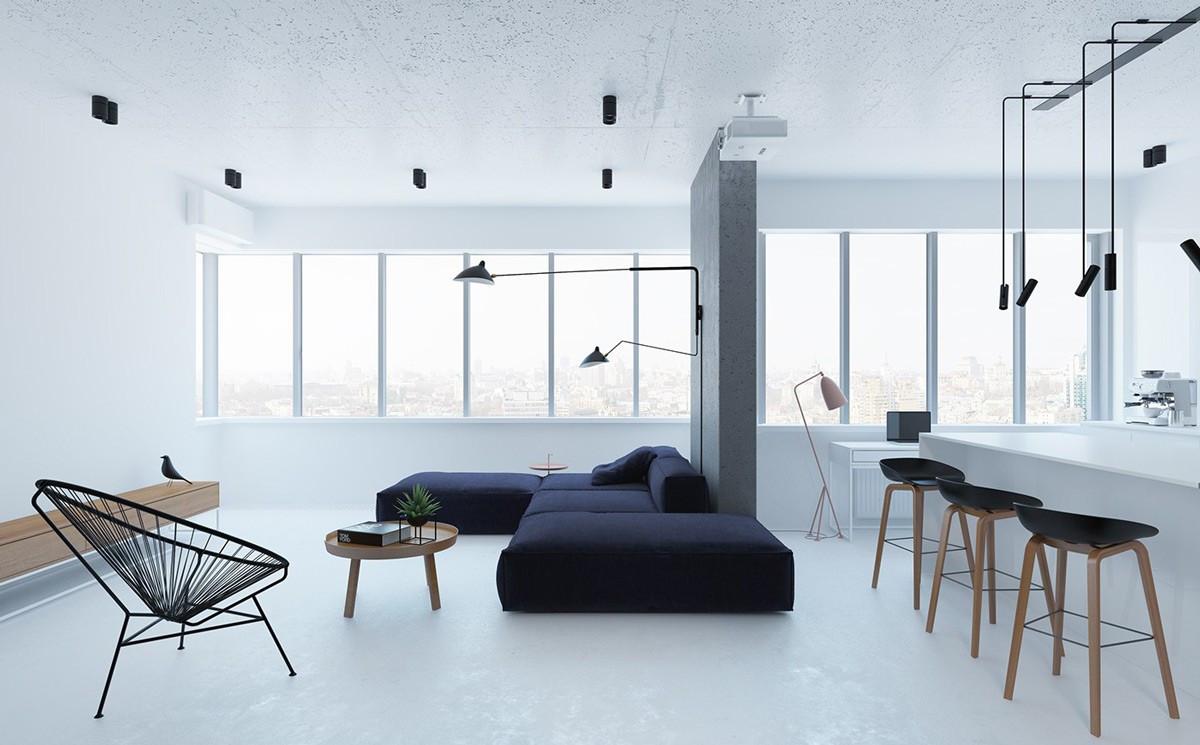
Credit: kdfoundation.org
Decluttering Strategies
Decluttering is key to creating calm, minimalist living spaces. It clears physical and mental clutter. Decluttering strategies help you decide what stays and what goes. This makes your home feel open and peaceful. Use simple methods to sort and store your items. These strategies save time and keep your space tidy.
Sorting Essentials Vs Non-essentials
Start by dividing items into essentials and non-essentials. Essentials are things you use daily or often. Non-essentials include items used rarely or never. Ask yourself if each item serves a clear purpose. Keep only what you need or love. Donate or recycle what you do not need. This creates space and reduces distractions.
Impulse Spending Filter
Impulse buying adds clutter fast. Use a waiting rule before purchasing non-essential items. Wait 24 to 48 hours to see if you still want it. This pause stops emotional buys. After waiting, decide if the item truly adds value. Avoid buying things you only want for a moment. This filter saves money and space.
Creating Storage Solutions
Good storage keeps your space neat and functional. Use boxes, baskets, and shelves to organize items. Label storage containers for easy access. Store items by category or frequency of use. Use vertical space with wall shelves or hooks. Clear storage helps you see what you have. Well-planned storage supports a clutter-free home.
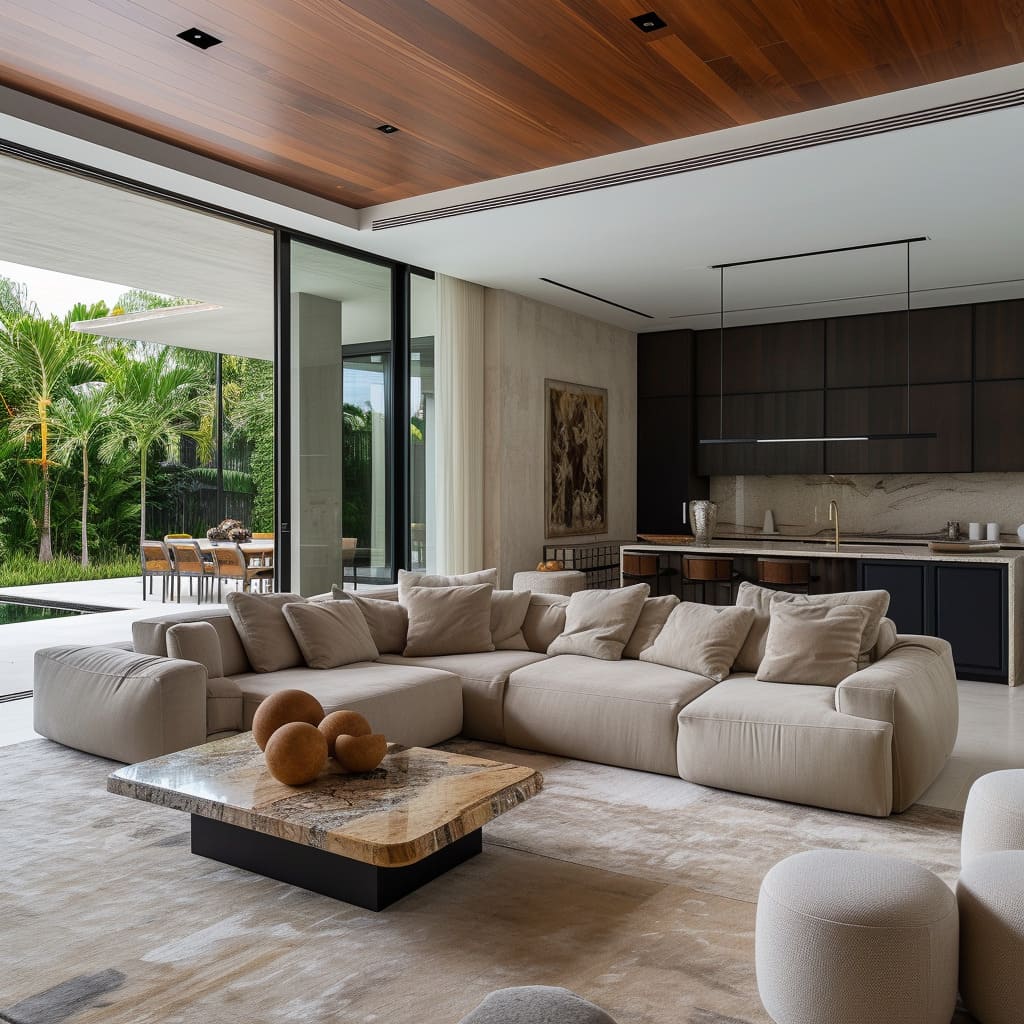
Credit: fancyhouse-design.com
Design Principles
Design principles form the foundation of minimalist living spaces. They guide choices to create calm, uncluttered environments. The focus stays on simplicity, balance, and function. These principles help transform any room into a peaceful retreat.
Applying these ideas correctly makes small spaces feel larger and more inviting. Every element should serve a purpose and blend seamlessly with the rest. Below are key design principles to enhance minimalist living.
Applying The Two-thirds Rule
The two-thirds rule helps balance space and furniture. Major items should fill about two-thirds of the room. The remaining one-third acts as breathing space. This keeps rooms open and prevents overcrowding.
For example, a sofa should cover two-thirds of the rug’s length. A coffee table should be two-thirds the sofa’s size. Even wall art should take up about two-thirds of the wall above furniture. This rule creates harmony and flow in the space.
Choosing Wall Colors
Wall colors play a major role in minimalist design. Soft, neutral tones work best. Whites, light grays, and beige create calm, clean backdrops. These colors open up the room and reflect light well.
Bold colors can feel heavy and cluttered. Stick to simple shades that blend with furniture and decor. This keeps the space feeling fresh and airy. A well-chosen wall color enhances the minimalist vibe.
Using Natural Light Effectively
Natural light brightens and enlarges minimalist spaces. Use large windows or skylights to let light pour in. Avoid heavy drapes; choose sheer curtains or none at all.
Arrange furniture to maximize daylight exposure. Light walls help reflect sunlight around the room. Natural light reduces the need for artificial lighting. This supports a clean, simple atmosphere.
Furniture Selection
Choosing the right furniture is key to a minimalist living space. Every piece must serve a purpose and fit well within the room. Simple shapes and clean lines help keep the space calm and inviting. Focus on quality over quantity to avoid clutter and maintain balance.
Furniture should create harmony and allow free movement. Measure your space carefully before selecting items. Consider proportions that relate to each other and the room size. This approach helps maintain an open and airy feel.
Sofa And Rug Proportions
The sofa should be about two-thirds the length of the rug. This anchors the seating area without crowding it. The rug defines the space and adds warmth. Avoid rugs that are too small or too large. Proper sizing creates visual balance and comfort.
Coffee Table Sizing
Choose a coffee table roughly two-thirds the length of the sofa. This size allows enough space to walk around. It keeps the room functional and avoids a cramped look. The table’s height should align with the sofa seat. This makes it easy to use and visually pleasing.
Minimalist Storage Options
Storage should be sleek and blend with the room’s design. Use built-in shelves or low-profile cabinets. Closed storage hides clutter and keeps surfaces clear. Open storage works if items are few and tidy. Pick pieces with clean lines and neutral colors. This keeps the space simple and organized.
:max_bytes(150000):strip_icc()/BradRamseyInteriors_credit_CarolineSharpnack-dee35c1fab554898af7c549697c2f592.jpg)
Credit: www.marthastewart.com
Decor And Accessories
Decor and accessories shape the heart of minimalist living spaces. These elements bring personality while keeping clutter low. Choosing the right pieces creates a calm and inviting home. Every item should serve a purpose or add subtle beauty.
Selecting Wall Art
Wall art sets the tone without overwhelming the space. Choose simple designs with clean lines or soft colors. Avoid busy patterns or crowded galleries. One or two well-placed pieces create balance and calm. Consider size carefully—art should cover about two-thirds of the wall space above furniture. This ratio keeps the space feeling open and intentional.
Creating A Focal Point
A focal point anchors the room and draws the eye. It can be a striking piece of art, a bold light fixture, or a unique furniture item. Keep other decor minimal to highlight this feature. The focal point adds interest without clutter. It creates a visual rest stop in the room’s layout, making the space feel thoughtful and organized.
Incorporating Textures And Patterns
Textures add depth without adding clutter. Use natural materials like wood, linen, or wool. Mix soft fabrics with smooth surfaces for contrast. Patterns should be subtle and simple, like gentle stripes or small geometric shapes. These details bring warmth and comfort. They make the space feel lived in while still clean and fresh.
Space Optimization
Optimizing space is key in minimalist living spaces. It helps create a calm and organized environment. Every inch counts when rooms are small. Smart design choices make rooms feel larger and more open. Space optimization blends function with simplicity to improve daily living.
Maximizing Open Pathways
Clear pathways allow easy movement and reduce clutter. Avoid blocking walkways with bulky furniture. Keep floors free from unnecessary items. Open paths invite light and air, making rooms feel bigger. Plan furniture placement to create natural flow in each room.
Multi-functional Furniture
Furniture that serves more than one purpose saves space. Examples include sofa beds, storage ottomans, and fold-out tables. These pieces reduce the need for extra items. Choose simple designs that fit your style and needs. Multi-functional furniture keeps rooms tidy and efficient.
Compact Living Solutions
Compact solutions fit small spaces without sacrificing comfort. Use wall-mounted shelves to free up floor space. Opt for slim desks and chairs in work areas. Stackable or foldable furniture adapts to different activities. Compact designs help maintain a minimalist look while maximizing usability.
Maintaining Minimalism
Maintaining minimalism in your living space requires ongoing effort and thoughtful habits. It is not just about clearing clutter once, but about creating a lifestyle that supports simplicity and order. Consistency helps keep your home calm and inviting.
Routine Decluttering
Set a regular time to remove items you no longer need. This can be weekly or monthly. Focus on areas that tend to collect clutter, like tables and closets. Ask yourself if each item serves a purpose or brings joy. If not, let it go. Routine decluttering keeps your space open and stress-free.
Mindful Purchasing Habits
Buy only what you truly need or love. Pause before making new purchases. Consider if the item fits your minimalist lifestyle. Avoid buying things out of impulse or boredom. Choosing quality over quantity extends the life of your possessions. Mindful buying helps prevent clutter from building up again.
Sustaining Simplicity Over Time
Make minimalism a daily practice, not a one-time project. Create habits that support simplicity, such as putting things back in place. Keep surfaces clean and clear. Limit decorations to a few meaningful pieces. Review your belongings regularly to ensure they still fit your lifestyle. This steady care keeps your home peaceful and organized for years.
Conclusion
Minimalist living spaces bring calm and clarity to daily life. Clear spaces help clear minds and reduce stress. Choosing fewer, quality items creates a balanced, peaceful home. Simple layouts with open areas allow easy movement and comfort. Natural light and soft colors enhance the feeling of space.
Embracing minimalism encourages thoughtful choices and less clutter. A minimalist home can improve focus and overall well-being. Start small and enjoy the freedom a clean space offers. Minimalist living is not just style, but a way to live better.