
Are pests taking over your garden and threatening the health of your plants? You don’t have to rely on harsh chemicals that can harm your garden and the environment.
Imagine controlling those pesky invaders naturally, keeping your garden thriving and safe. You’ll discover simple, effective ways to protect your garden using natural pest control methods. These tips are easy to follow and perfect for anyone who wants a healthy, vibrant garden without the worry of toxic sprays.
Ready to make your garden pest-free the natural way? Let’s get started!
Common Garden Pests
Garden pests can harm plants and reduce your harvest. Knowing common pests helps protect your garden naturally. Many insects sneak in and eat leaves, stems, or roots. Some pests spread diseases to plants. Detecting them early saves your plants from serious damage.
Identifying Harmful Insects
Look for small bugs on leaves and stems. Aphids are tiny and often green or black. They cluster on new growth and suck plant juices. Caterpillars eat large holes in leaves. Beetles chew on leaves and flowers. Whiteflies fly up when plants are disturbed. Spider mites cause tiny webs and speckled leaves. Knowing these pests helps choose natural control methods.
Signs Of Pest Damage
Check leaves for holes or yellow spots. Wilting or stunted plants may show root damage. Sticky residue on leaves can mean aphids or whiteflies. Brown or black spots often signal fungal infections spread by pests. Look under leaves for eggs or larvae. Early detection helps stop infestations fast. Healthy plants recover better with natural pest control.
:max_bytes(150000):strip_icc()/natural-homemade-insecticides-save-your-garden-without-killing-earth-4858819_final-b14c204e96734b609b8cfb28ef6f945c.png)
Credit: www.treehugger.com
Natural Pest Control Methods
Natural pest control methods protect your garden without harmful chemicals. These methods keep plants healthy and safe for people and pets. Using nature’s own defenses helps maintain balance in your garden ecosystem. Below are key natural ways to control pests effectively.
Companion Planting Benefits
Companion planting means growing certain plants close together. Some plants repel harmful insects. Others attract beneficial bugs that eat pests. For example, marigolds keep away nematodes and aphids. Planting basil near tomatoes improves flavor and reduces insects. This method saves money and reduces chemical use. It also improves soil health and plant growth.
Using Beneficial Insects
Beneficial insects fight garden pests naturally. Ladybugs eat aphids and scale insects. Lacewings consume many small pest insects. Parasitic wasps target harmful caterpillars and beetles. Introducing these insects balances pest populations. They cause no harm to plants or humans. Beneficial insects support a healthy garden environment.
Homemade Organic Sprays
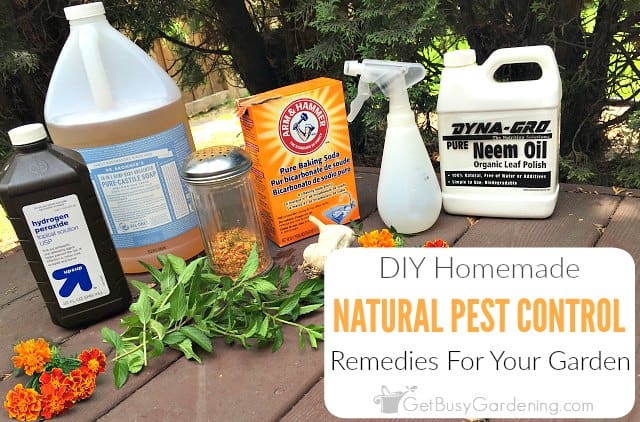
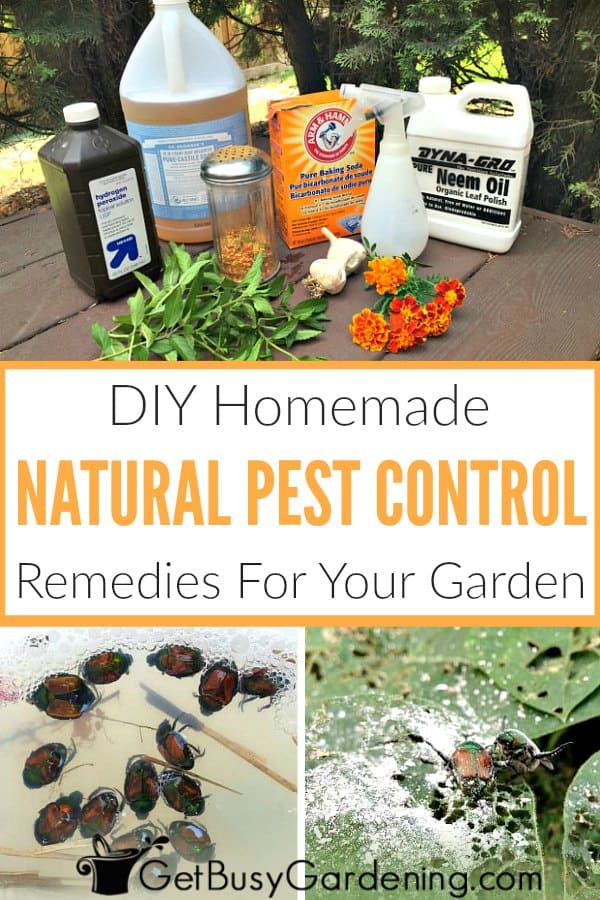
Homemade sprays offer safe pest control options. Soap sprays remove soft-bodied insects like aphids. Garlic spray repels a wide range of pests. Neem oil disrupts pest growth and feeding. These sprays break down quickly and do not harm beneficial insects. Making your own sprays saves money and reduces toxins in your garden.
Healthy Soil Practices
Healthy soil is the foundation of a thriving garden free from pests. Soil full of nutrients supports strong plants. Strong plants resist pests naturally and grow well. Healthy soil encourages beneficial insects that control harmful bugs. By improving soil, gardeners create a balanced ecosystem.
Focus on practices that enrich soil life and structure. These methods help plants get water and nutrients easily. They also prevent soil compaction and disease. Two key practices are composting and soil aeration.
Composting Techniques
Composting turns kitchen scraps and garden waste into rich soil food. This process adds organic matter to soil, improving texture and fertility. Use a mix of green (nitrogen) and brown (carbon) materials. Keep the pile moist and turn it often to speed decomposition. Finished compost helps soil hold moisture and nutrients better. It also feeds helpful microbes that protect plants from pests.
Soil Aeration Tips
Soil aeration means making small holes in soil to let air and water in. This practice prevents soil from becoming hard and compacted. Use a garden fork or aerator tool to gently poke holes. Aerate soil in early spring or fall for best results. Healthy aerated soil allows roots to grow deeper and stronger. It also helps beneficial insects move freely and control pests naturally.
Plant Care For Pest Resistance
Strong, healthy plants naturally resist pests better than weak ones. Good plant care improves their ability to fight off attacks. This section covers simple ways to boost pest resistance through proper watering and plant selection.
Proper Watering Routines
Water plants deeply but less often to encourage strong roots. Shallow, frequent watering weakens plants and invites pests. Early morning watering helps leaves dry quickly. Wet leaves at night can promote disease and attract insects. Use mulch to keep soil moist and reduce weeds. Avoid overwatering, which can drown roots and stress plants.
Choosing Pest-resistant Plants
Select plants known to resist common garden pests. Native plants often have natural defenses against local insects. Herbs like rosemary and lavender repel many bugs. Plants with thick, waxy leaves are harder for pests to eat. Mixing different plants can confuse pests and reduce damage. Healthy soil supports strong plants that fight pests better.
Physical Pest Barriers
Physical pest barriers provide a simple and effective way to protect your garden naturally. These barriers block pests from reaching your plants without chemicals. They help keep your garden healthy and safe.
Using physical barriers is eco-friendly. They reduce damage and prevent infestations. These methods work well for many common garden pests.
Installing Row Covers
Row covers are lightweight fabrics placed over plants. They stop insects like aphids and beetles from landing. The covers let sunlight, air, and water pass through. This means plants can grow well under them.
Secure the edges with soil or pins to keep pests out. Remove covers during flowering if pollination is needed. Row covers are reusable and easy to handle.
Using Mulches Effectively
Mulches act as a barrier on the soil surface. They prevent pests like slugs and ants from reaching plants. Organic mulches also improve soil health and moisture retention.
Spread mulch evenly around plants but keep it away from stems. Choose materials like straw, wood chips, or leaves. Mulching helps control weeds and reduces pest hiding spots.
Credit: getbusygardening.com
Attracting Natural Predators
Natural predators play a key role in controlling garden pests. They help keep harmful insect populations low. Attracting these beneficial bugs makes your garden healthier. You can do this by creating a welcoming habitat and planting flowers they love. These simple steps support a natural balance in your garden.
Creating Habitat For Beneficial Bugs
Beneficial bugs need shelter and food to thrive. Provide leaf piles, logs, or small shrubs for them to hide. Avoid using chemical pesticides that can harm these helpful insects. Keep soil moist and add mulch to create a good environment. This habitat encourages predators like ladybugs, spiders, and lacewings to stay.
Planting Pollinator-friendly Flowers
Flowers attract many natural predators to your garden. Choose plants that bloom at different times for a steady food source. Some good options include marigolds, sunflowers, and dill. These flowers supply nectar and pollen needed by beneficial insects. They also brighten your garden while helping control pests naturally.
Safe Organic Products
Using safe organic products protects your garden and the environment. These products fight pests without harmful chemicals. They keep beneficial insects safe and support healthy soil. Choosing natural options helps your plants grow strong and vibrant. Your garden stays pest-free with gentle care.
Neem Oil Applications
Neem oil comes from the neem tree seeds. It works as a natural insect repellent and pesticide. Spray neem oil on leaves and stems to control aphids, mites, and whiteflies. It disrupts pest growth and feeding habits. Neem oil also fights fungal infections like powdery mildew. Apply neem oil every 7 to 14 days for best results. Avoid using it in direct sunlight to protect plants.
Insecticidal Soap Uses
Insecticidal soap is made from natural fatty acids. It kills soft-bodied insects such as aphids and spider mites. Spray the soap directly on pests to break down their outer layer. This causes dehydration and death. It does not harm most beneficial insects or plants. Use insecticidal soap every few days until pests are gone. Test on a small leaf before full application to check plant safety.
Credit: getbusygardening.com
Monitoring And Maintenance
Monitoring and maintenance form the backbone of natural garden pest control. They help catch problems early and keep your garden healthy. Careful watching and simple upkeep protect plants without harsh chemicals. This approach saves time and supports natural pest predators.
Regular Garden Inspections
Check your garden often for signs of pests and damage. Look under leaves, on stems, and around the soil. Spotting pests early stops infestations from growing. Use a magnifying glass to see small insects clearly. Note any unusual spots or holes on plants. Early detection allows natural methods to work best.
Make inspections part of your routine, at least once a week. Focus on plants that pests like the most. Adjust inspection frequency based on weather and season. Wet or warm weather may increase pest activity. Consistent checks help keep pests under control naturally.
Record Keeping For Pest Patterns
Keep a simple log of pest sightings and plant health. Record the type of pest, location, and damage seen. Note the date and weather conditions too. This helps identify pest patterns over time. Understanding these patterns guides better pest control decisions.
Use a notebook or a digital app for your records. Review your notes regularly to spot trends. For example, some pests appear only in spring or after rain. Knowing this helps plan natural treatments before pests spread. Good records improve your garden’s long-term health.
Conclusion
Natural garden pest control helps keep your plants healthy and strong. Using safe, natural methods protects the environment and beneficial insects. You can prevent damage without harmful chemicals. Regular care and observation make a big difference. Start small and learn what works best for your garden.
Enjoy a thriving garden with fewer pests naturally. This approach supports long-term garden health and sustainability. Choose nature-friendly options to keep your garden beautiful and safe.