
Have you ever walked into a room and instantly felt comfortable, like everything was just in the right place? That’s the magic of the Rule of Thirds in interior design.
This simple yet powerful technique helps you arrange furniture and decor in a way that feels natural and balanced—without being boring or too perfect. By dividing your space into thirds and placing key pieces thoughtfully, you can create a room that draws the eye, invites relaxation, and shows off your style effortlessly.
Ready to discover how this rule can transform your home and make decorating easier? Keep reading, and you’ll learn how to use the Rule of Thirds to bring harmony and charm to every corner of your space.
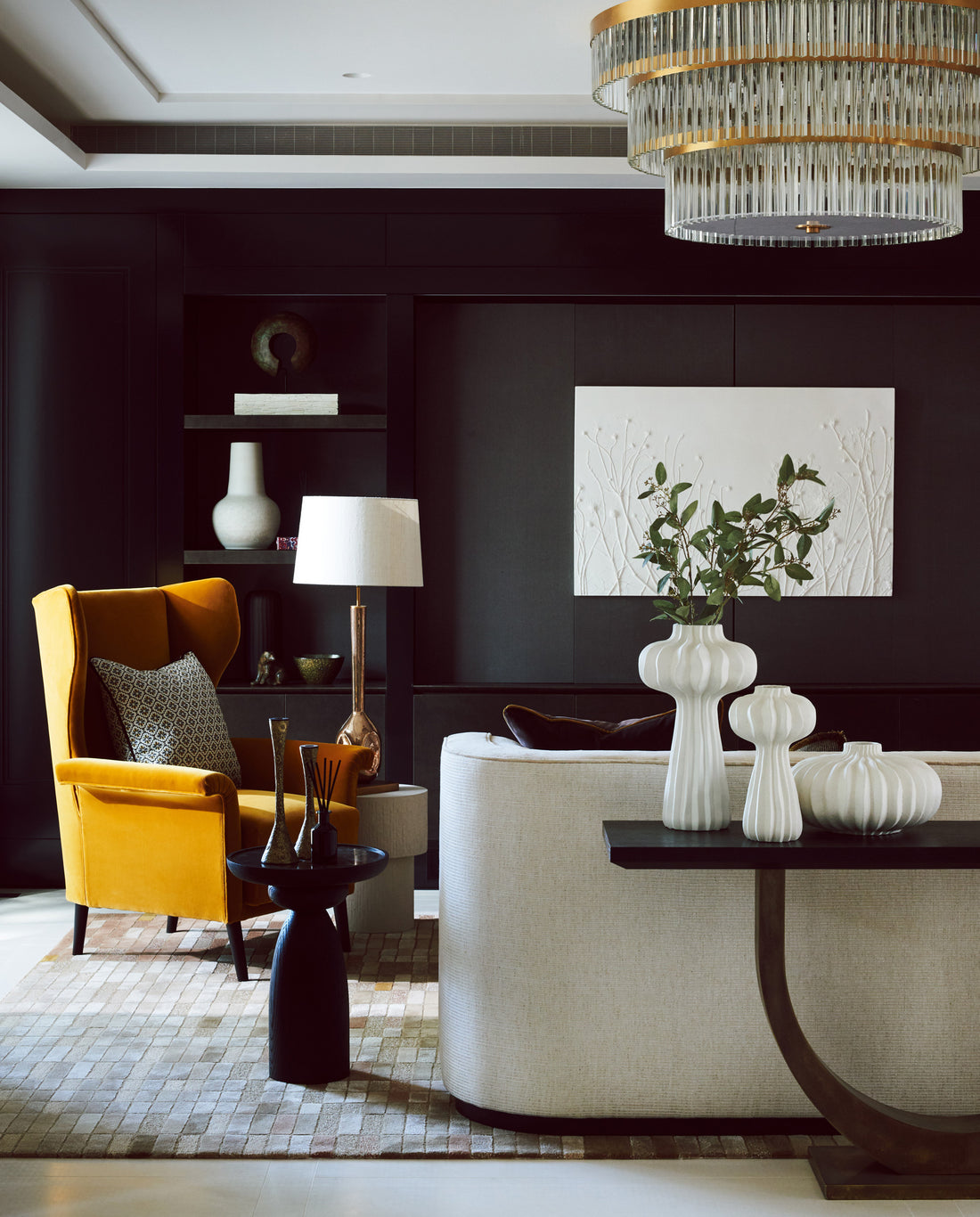
Credit: cozyliving.com.au
Rule Of Thirds Basics
The Rule of Thirds is a simple guideline that helps create balanced and attractive interiors. It divides a space into three equal parts horizontally and vertically. This method guides the placement of furniture and decor items to make rooms feel harmonious and inviting.
Using this rule makes it easier to arrange objects in a way that feels natural. It avoids clutter and ensures each element has its own space to shine. Understanding the basics helps you apply the rule effectively in any room.
Dividing Your Space
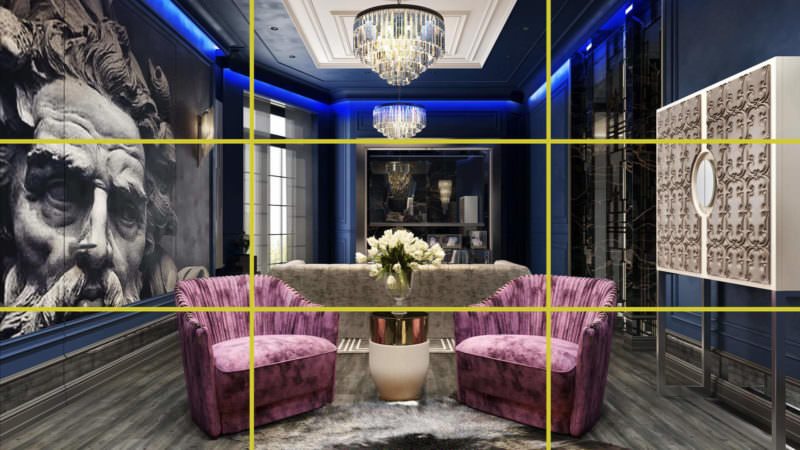
Start by imagining two vertical and two horizontal lines dividing your room. These lines split the area into nine equal sections. Use these lines as a guide to place furniture and decorations. Avoid centering everything; instead, position key pieces along these lines for better balance.
Key Intersection Points
The four points where the lines cross are called intersection points. These spots naturally draw the eye. Place important items like artwork, lamps, or plants here. This technique helps create focal points and keeps the room visually interesting.
Grouping Items In Threes
Arrange objects in groups of three for more appeal. Odd numbers, especially threes, look more dynamic than even groups. For example, group three vases or three cushions together. This adds rhythm and variety without chaos, making the design feel intentional and cozy.
Why Odd Numbers Work
Odd numbers hold a special place in interior design. They create arrangements that feel alive and natural. Designers often use groups of three, five, or seven items. This rule helps avoid dull or predictable setups. Spaces appear more dynamic and inviting with odd-numbered groupings.
Creating Visual Interest
Odd numbers catch the eye better than even ones. They produce an asymmetrical balance that feels lively. This balance encourages the viewer to explore the space. Grouping three vases or five cushions adds variety without chaos. The eye moves naturally between items, making the room more engaging.
Mimicking Nature’s Patterns
Nature rarely arranges things in even numbers. Flowers, leaves, and branches often cluster in threes or fives. Using odd numbers in design mimics these natural patterns. This approach makes rooms feel organic and relaxed. Spaces decorated this way seem effortless and calm.
Avoiding Stark Symmetry
Even numbers can create stiff and boring symmetry. Two identical chairs or four matching lamps may feel too perfect. Odd numbers break this symmetry softly. They add a subtle imbalance that feels more human. This slight imperfection brings warmth and personality to a room.
Applying The Rule In Rooms
Applying the rule of thirds in rooms helps create harmony and flow. It guides the placement of furniture, art, and decor. This technique divides a space into three equal parts. The intersections become focal points. Using these points balances visual interest and function. Below are ways to apply the rule in different room elements.
Arranging Furniture
Place key furniture pieces along the imaginary lines or near the intersections. For example, position a sofa two-thirds across the room length. Avoid centering everything; asymmetry feels more natural. Group seating in odd numbers like three chairs or a sofa with two side chairs. This creates dynamic, inviting layouts that encourage conversation.
Placing Art And Decor
Hang art at one of the four intersection points for instant focus. Use odd numbers of decor items, such as three vases or five books, for visual appeal. Arrange smaller items in clusters that align with the thirds grid. This prevents clutter and draws the eye smoothly across the space.
Balancing Scale And Proportion
Match furniture size and decor scale to the thirds divisions. Large pieces anchor one section, while smaller items fill the others. Keep proportions varied but balanced to avoid monotony. Use the rule to decide how much wall space art should cover or how tall a lamp should be. This balance creates a pleasing, well-organized room.
Credit: archicgi.com
Using Color And Texture
Using color and texture in interior design creates a vibrant and inviting space. These elements work together to form balance and interest within a room. The rule of thirds helps arrange colors and textures to catch the eye naturally.
Selecting A Color Scheme
Choose three main colors to follow the rule of thirds. Use one dominant color and two supporting shades. This mix keeps the room lively but not overwhelming. Place the dominant color on two-thirds of the space, and the other two colors in the remaining third. This method gives the room harmony and flow.
Pick colors that complement each other to enhance mood. Soft hues create calmness, while bright tones add energy. Avoid using too many colors to keep the design clean and focused.
Combining Textures For Depth
Mix three types of textures to add depth and interest. For example, pair smooth surfaces with rough and soft ones. This contrast makes the space feel more dynamic and layered.
Use texture in fabrics, furniture, and decor items. A velvet pillow, a wooden table, and a woven rug can create a balanced trio. The rule of thirds helps distribute these textures evenly, so no area feels flat or too busy.
Creating Focal Points
Creating focal points in interior design draws the eye and adds interest. The rule of thirds helps place these focal points naturally within a room. This technique divides a space into three parts both horizontally and vertically. Key areas fall at the intersections of these lines. Positioning important elements here enhances visual balance and appeal.
Positioning Statement Pieces
Statement pieces become the center of attention in any room. Use the rule of thirds to place them off-center, making the space feel dynamic. For example, position a bold sofa or an eye-catching artwork at one of the rule’s intersections. This placement avoids boring symmetry and creates a natural flow.
Arrange smaller items around the statement piece in odd numbers. Groups of three or five items feel balanced and inviting. This strategy ensures the focal point stands out without overcrowding the area.
Highlighting Architectural Features
Architectural features like windows, fireplaces, or built-in shelves deserve emphasis. Align these elements with the rule of thirds grid to make them focal points. For instance, place a fireplace along one vertical third line to draw attention.
Use lighting and decor to enhance these features further. Lamps, plants, or art pieces placed nearby guide the eye naturally. This technique highlights the room’s character and adds depth to the design.
Rule Of Thirds For Different Scales
The Rule of Thirds is a powerful tool for arranging interior design elements across various scales. It helps create balance and interest by dividing space or groupings into three parts. This principle works well for small details and large compositions alike.
Using the Rule of Thirds at different scales brings harmony to a room. It guides the placement of objects, making the decor feel natural and inviting. Each scale has its own way to apply this rule effectively.
Small Vignettes
Small vignettes benefit from grouping items in threes. For example, three candles, vases, or photo frames create a pleasing cluster. This odd number arrangement avoids clutter while keeping variety. It draws the eye and adds charm to tabletops or side tables.
Shelf And Display Arrangements
Shelves often display collections of books, plants, and decor. Using the Rule of Thirds means placing a central piece with two complementary items on either side. This setup balances the shelf and highlights important objects. It prevents overcrowding and keeps the display neat.
Gallery Walls And Large Compositions
Large compositions like gallery walls use the Rule of Thirds to place artwork or photos. Dividing the wall into three sections helps decide where to hang pieces. Grouping art in sets of three or five creates rhythm and flow. This method anchors the space and makes a strong visual statement.
Common Mistakes To Avoid
Applying the rule of thirds in interior design improves balance and harmony. Yet, some common mistakes can disrupt this balance. Avoiding these errors helps maintain a pleasing and natural look in your space.
Overcrowding With Odd Groups
The rule of thirds favors odd-numbered groups like three or five. But placing too many items together creates clutter. Overcrowding makes the design feel chaotic and confusing. Keep groupings simple and focused. Choose a few key pieces that complement each other. This approach draws the eye naturally to the intended focal points.
Ignoring Proportion And Scale
Items grouped by the rule of thirds must match the room’s size. Large pieces in a small space feel overwhelming. Tiny items in a big room get lost and ignored. Balance the scale of objects with the room and each other. Proportion keeps the arrangement comfortable and visually appealing. This attention to size enhances the overall design harmony.

Credit: www.designhunter.co.uk
Tips For Austin Homes
Applying the rule of thirds in Austin homes brings balance and charm to interiors. This design principle helps create spaces that feel natural and inviting. The rule guides placement of furniture, art, and decor in a way that is pleasing to the eye.
Here are practical tips for using the rule of thirds with a local Austin twist.
Incorporating Local Style
Austin’s style blends modern and rustic elements. Use the rule of thirds to arrange key pieces reflecting this vibe. Group three local art pieces above a sofa for a striking focal point. Place three patterned cushions on a couch to add texture without clutter.
Combine wood, metal, and textiles in sets of three to echo Austin’s warm, eclectic spirit. This method maintains harmony while showcasing your personality.
Balancing Natural Light
Austin homes often have large windows and bright sunlight. Arrange furniture and decor using thirds to balance light and shadow. Position a reading chair in one third of the room, leaving other areas open to light flow.
Use three types of window treatments, such as blinds, curtains, and shades, to control brightness and privacy. This layering respects natural light while keeping the space balanced and cozy.
Conclusion
The rule of thirds helps create balanced and inviting rooms. It guides placement of furniture and decor in easy-to-follow groups of three. This approach keeps spaces feeling natural and interesting. Using odd numbers adds variety without clutter. Try applying the rule to small or large areas for harmony.
The result? Rooms that look thoughtfully arranged and feel comfortable. Simple, effective, and timeless design made easy.