
Are you making the most of your space, or is there untapped potential waiting to be unlocked? Space optimization is the key to transforming any area—whether at home, in the office, or a commercial setting—into a smarter, more efficient environment.
Imagine cutting clutter, improving flow, and boosting productivity without the need for costly expansions. By understanding how to optimize your space, you can create a comfortable, functional area that perfectly fits your needs. Ready to discover simple strategies that can revolutionize your space and your daily life?
Keep reading to learn how space optimization can work for you.
Benefits Of Space Optimization
Optimizing your space isn’t just about making a room look better—it brings real, tangible benefits that affect your daily life and work. When you make the most of the space you have, you create an environment that supports your goals and lifestyle. Here are some key benefits you can expect from space optimization.
Cost Reduction
Using your space efficiently helps you spend less on rent, utilities, and maintenance. If your office or home uses less square footage without feeling cramped, your monthly expenses can shrink noticeably. One business I know saved thousands by redesigning their layout to fit more workstations comfortably, cutting down on the need for extra office space.
Enhanced Productivity
When your space is well-organized, you find what you need faster and move around more easily. This reduces distractions and interruptions, helping you focus better. Think about your own workspace—have you noticed how clutter or poor layout slows you down? Optimized space helps you work smarter, not harder.
Improved Comfort
Comfort comes from a balance between space and usability. Optimizing space means ensuring you have room to move without feeling crowded, which reduces stress and fatigue. Imagine sitting in a cramped chair all day versus having enough space to stretch comfortably—this difference impacts how you feel and perform.
Sustainability Advantages
Using less space often means using fewer resources like energy for heating, cooling, and lighting. This lowers your carbon footprint and helps the environment. Have you considered how a smaller, smarter space can reduce waste and support greener living? It’s a practical step toward sustainability that benefits both you and the planet.
Key Principles Of Space Optimization
Space optimization focuses on using every inch of space wisely. It helps create areas that feel open and functional. The key principles guide how to make the most of available space. These principles apply to homes, offices, and public places. Applying them can improve comfort and productivity.
Analyzing Usage Patterns
Understanding how space is used is the first step. Track which areas get the most traffic or use. Notice times when spaces are crowded or empty. This data shows where space is wasted or underused. Adjusting spaces based on usage improves efficiency and comfort.
Maximizing Layout Efficiency
Organize furniture and objects to use space well. Avoid clutter and blockages that limit movement. Use vertical space like shelves and wall hooks. Clear pathways help people move easily. Efficient layouts make spaces feel larger and more open.
Incorporating Flexibility
Design spaces that can change with needs. Use movable furniture and partitions to adapt areas. Flexible spaces serve multiple purposes throughout the day. This approach saves space and adds convenience. Flexibility keeps spaces useful for different activities.
Utilizing Multi-purpose Elements
Choose furniture and features that serve more than one role. Examples include sofa beds, foldable tables, or storage stairs. Multi-purpose items reduce clutter and free up space. They add value and improve space use. Smart choices make rooms more practical and inviting.
Techniques For Space Optimization
Optimizing space means making the most of every inch available. This process improves how a room functions and feels. Small changes can create a big impact on comfort and usability. Various methods can help enhance space efficiency in any setting.
Choosing the right techniques will depend on the space and its purpose. Below are some practical approaches to optimize your space effectively.
Smart Furniture Choices
Select furniture that fits the size and shape of your room. Multi-purpose pieces, like storage ottomans or foldable tables, save space. Furniture with built-in storage reduces clutter and opens up the room. Avoid bulky items that block walkways or crowd the area.
Effective Lighting Strategies
Good lighting makes a room appear larger and more inviting. Use natural light as much as possible by keeping windows clear. Layer lighting with ceiling lights, lamps, and task lights for balance. Bright, even lighting eliminates dark corners and enhances openness.
Color And Design Impact
Light colors make walls and ceilings look farther apart. Use soft, neutral tones to create a calming and spacious feel. Avoid heavy patterns that overwhelm small spaces. Mirrors reflect light and add depth, visually expanding the area.
Zoning And Space Definition
Divide rooms into zones to organize activities and improve flow. Use rugs, furniture placement, or screens to mark different areas. Clear boundaries help rooms feel more purposeful and less cluttered. This method works well in open-plan spaces and studios.
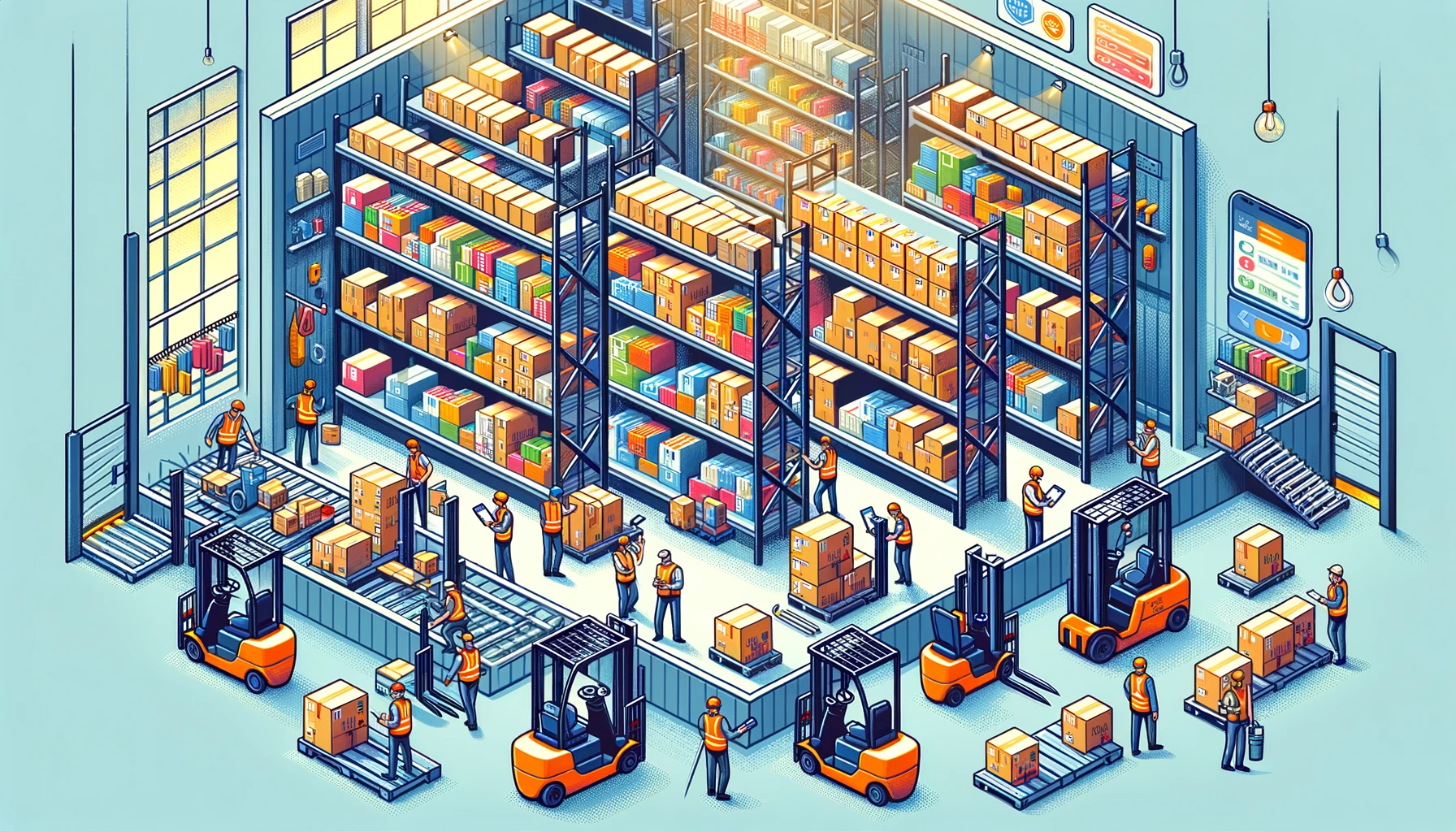
Credit: universalfulfillment.com
Space Optimization In Different Environments
Space optimization plays a vital role across various environments. Each setting requires unique strategies to make the most of available space. Efficient use of space leads to better comfort, productivity, and overall satisfaction. Understanding how to optimize space in different places helps create functional and pleasant areas.
Residential Spaces
Homes often have limited space. Organizing rooms with smart storage solutions saves space. Using multi-functional furniture helps maximize living areas. Open layouts improve flow and make rooms feel larger. Proper lighting enhances the sense of space and comfort. Small changes can greatly improve daily living in homes.
Office And Workspaces
Offices need to balance collaboration and privacy. Arranging desks to reduce clutter boosts productivity. Flexible workstations allow easy reconfiguration for different tasks. Storage units keep supplies organized and out of sight. Clear pathways improve movement and reduce distractions. A well-planned office supports employee focus and teamwork.
Retail Environments
Retail spaces must display products attractively without overcrowding. Shelving units and racks should use vertical space efficiently. Clear signage guides customers and improves flow. Creating open areas invites shoppers to explore. Well-organized stores make shopping easier and increase sales. Space optimization helps retailers use every inch wisely.
Public And Shared Areas
Public spaces serve many people with different needs. Seating arrangements should allow easy access and comfort. Using modular furniture adapts the space for various events. Clear walkways avoid congestion and improve safety. Incorporating storage for shared items keeps areas tidy. Thoughtful design in public places enhances user experience.
Tools And Technologies For Space Optimization
Effective space optimization relies on advanced tools and technologies. These innovations help organizations use their physical spaces smartly. With the right tools, businesses can reduce waste and improve comfort. Technology enables better planning and management of spaces.
The following sections explore key tools and technologies used in space optimization. Each tool offers unique benefits for maximizing space efficiency.
Occupancy Analytics
Occupancy analytics track how people use a space in real time. Sensors collect data on foot traffic and room usage. This data helps identify underused or crowded areas. Businesses can adjust layouts based on these insights. Occupancy analytics improve space utilization and reduce costs.
Design Space Optimization Software
Design space optimization software aids in planning and arranging spaces. It uses algorithms to find the best layout for a given area. This software considers factors like safety, accessibility, and comfort. It helps create efficient floor plans quickly. Companies save time and avoid costly design mistakes.
Data-driven Planning
Data-driven planning uses collected data to guide space decisions. It combines occupancy, usage patterns, and business goals. This approach ensures spaces meet real needs. Data-driven planning supports flexible and scalable environments. It leads to smarter investments in physical space.
Automation And Sensors
Automation and sensors monitor environments continuously. They control lighting, heating, and security based on occupancy. Sensors detect when rooms are empty or busy. Automation reduces energy waste and enhances user comfort. These technologies create responsive and efficient spaces.
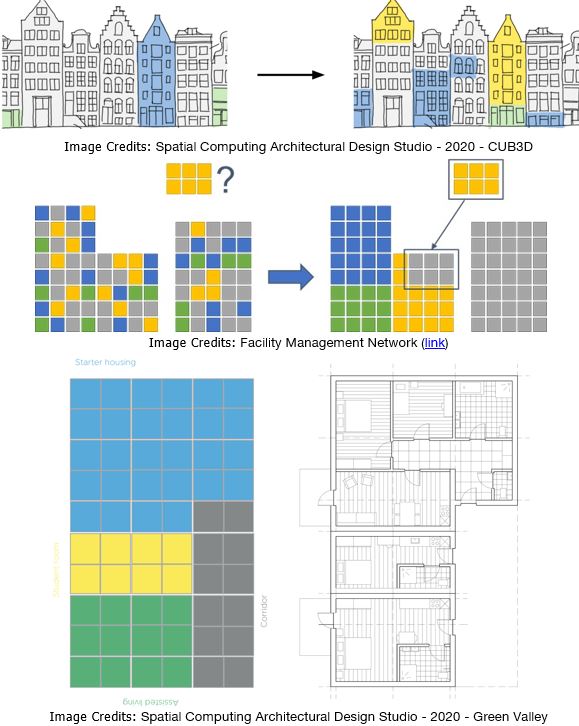
Credit: genesis-lab.dev
Common Challenges And Solutions
Space optimization often faces several challenges that can limit its effectiveness. Understanding these common issues helps in finding practical solutions. Effective space use demands careful planning and smart choices. Below, we explore frequent problems and how to solve them.
Overcoming Space Constraints
Limited space can restrict comfort and function. Using vertical storage options frees floor space efficiently. Multi-functional furniture serves more than one purpose. Removing unnecessary items creates more room instantly. Proper layout planning improves movement and usability.
Balancing Function And Aesthetics
Spaces must look good and work well. Choosing designs that combine beauty with practicality helps. Simple color schemes make areas feel larger and cleaner. Lighting plays a key role in enhancing both style and function. Avoid clutter to maintain a neat, attractive environment.
Adapting To Changing Needs
Needs evolve over time in homes and offices. Flexible furniture adjusts to different uses easily. Modular designs allow quick rearrangement for new purposes. Planning with future changes in mind saves time and money. Regular reviews ensure spaces stay useful and relevant.
Managing Costs
Budget limits often affect space optimization projects. Prioritize solutions that offer the best value. DIY options reduce expenses without sacrificing quality. Investing in durable materials lowers long-term costs. Careful planning prevents costly mistakes and changes later.
Future Trends In Space Optimization
Space optimization will change dramatically in the coming years. Advances in technology and design will shape how we use and manage space. Businesses and homes will become more efficient and adaptable.
New trends focus on smarter, greener, and more personalized environments. These trends help save costs and improve comfort. Understanding these future trends can prepare you for the next phase of space use.
Ai And Machine Learning Integration
Artificial intelligence will analyze space use in real time. Machine learning will predict how spaces are used and suggest improvements. This leads to better layout decisions and resource allocation.
Smart sensors will track occupancy and adjust lighting and temperature automatically. AI will reduce wasted space and energy by adapting to changing needs. This technology will make spaces more flexible and efficient.
Hybrid Workspace Models
Workplaces will blend remote and in-office work styles. Spaces will be designed to support both collaboration and focused work. Flexible furniture and modular layouts will become common.
Shared desks and booking systems will optimize office space use. This helps reduce empty desks and overcrowding. Hybrid models will change how companies plan their office needs.
Sustainable Design Innovations
Green building materials and energy-saving designs will grow in popularity. Spaces will use natural light and ventilation to reduce energy use. Recycling and reuse of materials will be standard practice.
Designs will focus on minimizing environmental impact while maximizing comfort. Sustainable spaces are healthier and cost less to maintain. This trend benefits both people and the planet.
Personalized Space Experiences
Spaces will adapt to individual preferences and activities. Technology will allow users to control lighting, sound, and temperature easily. Personalized environments increase comfort and productivity.
Designs will consider personal needs and habits more than before. This creates spaces that feel unique and welcoming. Personalization will be a key factor in future space optimization.

Credit: envistacorp.com
Conclusion
Space optimization helps make the most of your available area. It improves comfort and efficiency in any environment. Simple changes can create more useful and open spaces. Thoughtful planning reduces clutter and boosts productivity. Everyone can benefit from better space use at work or home.
Try small steps to see big improvements in your space. Keep evaluating and adjusting to fit your changing needs. Space optimization saves money and enhances daily life. It turns tight areas into functional, pleasant places. Start applying these ideas today for a better space.