
Have you ever wondered how a tiny tree can carry the beauty and spirit of a vast forest? That’s the magic behind the art of bonsai.
This ancient practice isn’t just about growing miniature trees—it’s about shaping nature, patience, and creativity all in one living sculpture. When you learn bonsai, you’re not just tending a plant; you’re crafting a piece of art that reflects your care and vision.
You’ll discover the secrets to creating your own bonsai masterpiece, how to keep it healthy, and why this art form has captivated people around the world for centuries. Ready to transform a simple tree into something extraordinary? Let’s dive into the art of bonsai and unlock the beauty waiting in your hands.
Credit: www.nytimes.com
Origins Of Bonsai
The origins of bonsai trace back centuries. This ancient art of growing miniature trees reflects a deep connection with nature. It is a blend of horticulture and artistic expression. Understanding its roots helps appreciate bonsai’s rich cultural heritage.
Historical Roots
Bonsai began as a way to create small landscapes in containers. Early forms appeared over a thousand years ago. The practice started with simple tree shaping. It aimed to capture the spirit of full-sized trees in a small space. The earliest bonsai were not as refined as today’s styles.
Chinese Influence
The art of bonsai originated from China, where it is called penjing. Chinese artists created miniature landscapes with trees and rocks in trays. These designs symbolized mountains and rivers. This practice spread to neighboring countries. Chinese penjing laid the foundation for bonsai’s development.
Evolution In Japan
Japan adopted and refined the bonsai tradition from China. Japanese artists focused more on single trees than full landscapes. They developed strict techniques for pruning and shaping. Bonsai became a spiritual and artistic practice. Over time, Japan made bonsai an iconic cultural art form.
Basic Bonsai Styles
Bonsai is a beautiful art form that shapes miniature trees. It uses simple styles to create natural, artistic shapes. These basic bonsai styles guide beginners and experts alike. Each style shows a unique tree posture and personality. Understanding these styles helps you design your bonsai with care and creativity.
Formal Upright
The formal upright style stands straight and tall. The trunk grows vertically with no bends or curves. Branches spread evenly in a balanced pattern. This style shows strength and order. It resembles a strong tree growing in open space. Formal upright bonsai is easy to recognize and very classic.
Informal Upright
The informal upright style has a trunk that curves gently. It leans slightly but remains mostly vertical. Branches grow irregularly, making the tree look natural. This style shows grace and flexibility. It looks like a tree shaped by wind or time. Informal upright bonsai feels alive and free.
Slanting
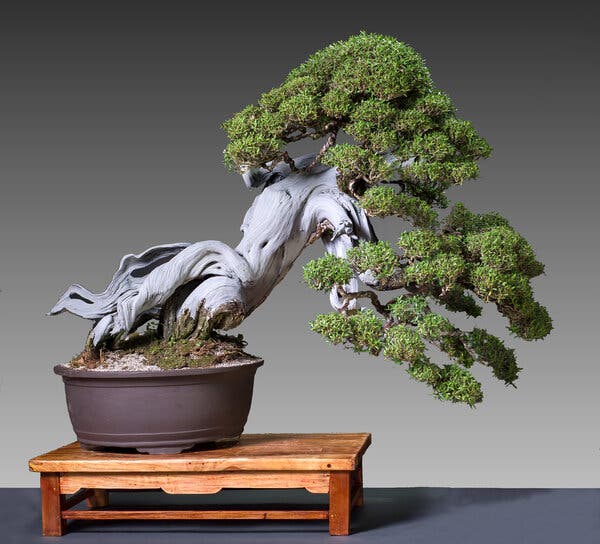
Slanting bonsai lean to one side. The trunk grows at an angle, not straight up. Branches balance the lean by growing opposite the trunk’s slant. This style shows movement and life. It looks like a tree pushed by strong winds. Slanting bonsai express strength in adversity.
Cascade
The cascade style has a trunk that bends downwards. It often hangs below the pot’s edge. Branches grow along the downward curve. This style represents trees on cliffs or riverbanks. Cascade bonsai look dramatic and graceful. They show the beauty of nature’s harsh places.
Branch Placement Rules
Branch placement is key to shaping a bonsai tree. It defines the tree’s style and flow. Proper branch positioning creates balance and natural beauty. Each branch has a role in the overall design. Following branch placement rules helps achieve a realistic and pleasing look.
These rules focus on the first three main branches and how they relate to each other. The branches should avoid crowding and grow in a three-dimensional space. This adds depth and life to the bonsai. Understanding these basics builds a strong foundation for bonsai art.
First Branch Position
The first branch grows about one-third up the trunk. It sets the main direction of the tree. This branch often points left or right. It anchors the tree’s shape and balance. Placing it too high or low breaks the tree’s harmony. This branch should be strong and well-formed.
Second Branch Balance
The second branch grows higher than the first. It usually appears on the opposite side. This creates visual balance and interest. The second branch prevents the tree from looking lopsided. It adds harmony and contrast to the design. Proper spacing keeps the tree open and natural.
Third Branch Depth
The third branch grows toward the back. It adds depth and three-dimensional feel. This branch often appears higher than the second. It helps the tree avoid a flat appearance. Placing it deeper into the trunk space creates realism. The third branch completes the basic structure.
Triangular Patterns
Branches form triangular shapes around the trunk. This pattern gives stability and flow. Triangles guide the eye through the tree’s design. The first, second, and third branches create the main triangle. Smaller branches fill in and keep the pattern. This structure mimics natural tree growth.
Design Principles
The art of bonsai is a delicate balance of nature and design. Each tree is a living sculpture shaped by careful planning and attention. Design principles guide the arrangement and growth of branches, trunk, and leaves. These principles create harmony, balance, and beauty in a miniature form. Understanding these rules helps bonsai enthusiasts craft trees that look natural and pleasing.
Proportion And Taper
Proportion means keeping parts of the tree in the right size ratio. The trunk should be thicker at the base and thinner toward the top. Branches follow the same rule. They grow shorter and thinner as they move upward. This tapering effect gives the tree a natural and strong appearance. Proper proportion makes the bonsai look like a full-sized tree in miniature form.
Avoiding Parallel Branches
Branches should not grow parallel to each other. Parallel branches create a flat, unnatural look. Instead, place branches at different angles around the trunk. This spacing adds depth and interest. The branches should form a balanced, three-dimensional shape. Avoiding parallelism helps the tree appear more alive and dynamic.
No Eye-poking Branches
Branches should never point straight at the viewer’s eyes. These “eye-poking” branches disturb the peaceful look of the bonsai. Instead, branches bend gently away or grow horizontally. This creates a soft, inviting shape. Careful branch placement keeps the tree comfortable to look at from all sides.
Airflow And Light
Good airflow and light are essential for a healthy bonsai. Branches should not crowd each other. Space branches to allow air to move freely through the tree. This reduces disease and helps leaves dry after rain or watering. Proper light exposure ensures even growth and strong branches. Design the tree so sunlight reaches every part of it.
Essential Bonsai Techniques
Essential bonsai techniques form the foundation of cultivating these miniature trees. Each method shapes the tree’s health, style, and longevity. Understanding and practicing these techniques helps keep bonsai strong and beautiful. They bring out the tree’s natural charm in a small space.
Pruning
Pruning controls the size and shape of the bonsai. It removes unwanted branches and leaves to promote growth. Cutting back new shoots helps maintain the tree’s design. Regular pruning prevents the tree from becoming overgrown. It also improves air flow and light penetration.
Wiring
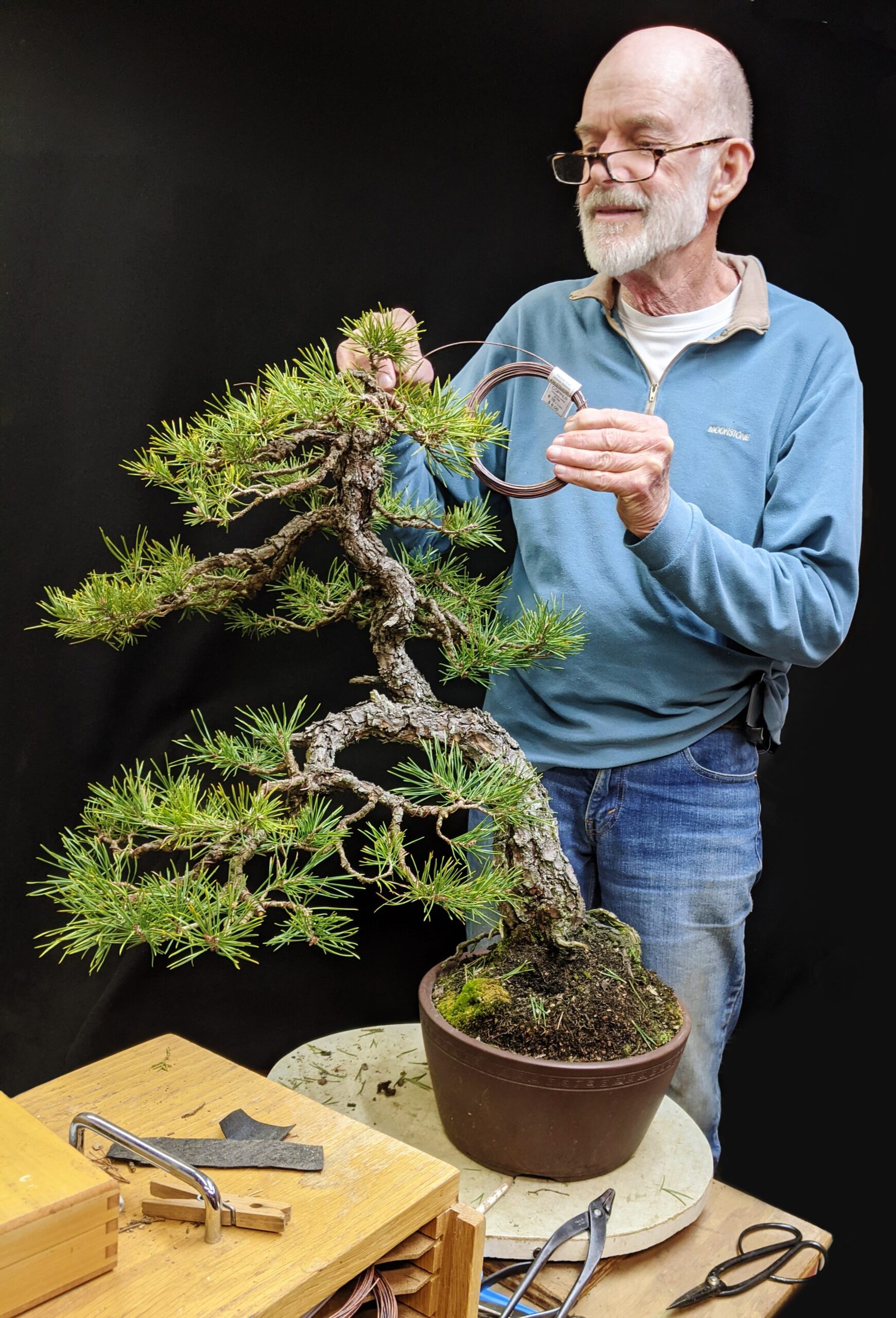
Wiring bends and positions branches to create the desired shape. Soft aluminum or copper wires wrap gently around branches. The wire guides growth in specific directions. Wiring requires care to avoid cutting into the bark. Removing wire at the right time prevents damage and scarring.
Repotting
Repotting refreshes the soil and trims roots. It keeps the bonsai healthy by preventing root crowding. Usually done every one to three years, depending on species. Use well-draining bonsai soil to support root health. Repotting also gives a chance to check for pests or disease.
Watering And Feeding
Watering keeps the bonsai hydrated but must not flood roots. Check soil moisture daily, especially in warm weather. Feeding provides essential nutrients for growth and vitality. Use balanced, slow-release fertilizers or liquid feed during growing seasons. Proper watering and feeding ensure a strong, vibrant bonsai.
Credit: www.technologyreview.com
Popular Bonsai Species
Bonsai art thrives on selecting the right tree species. Each species offers unique shapes, leaf sizes, and growth habits. Choosing popular bonsai species helps beginners and experts enjoy success and beauty. These species adapt well to bonsai techniques and create stunning miniature trees.
Japanese White Pine
The Japanese White Pine is a classic bonsai choice. It features long, soft needles and rugged bark. This species grows slowly, allowing detailed shaping. It thrives outdoors and prefers full sun. Its natural style fits traditional bonsai designs well.
Sargent Juniper
Sargent Juniper is a hardy and flexible bonsai species. It has dense green needles and rough bark. This tree adapts well to pruning and wiring. It grows best in bright light and good airflow. Its wild, twisted shapes appeal to many bonsai artists.
Ficus
Ficus trees are popular indoor bonsai species. They have glossy leaves and thick roots. Ficus adapts to indoor light and humidity easily. Its fast growth allows quick styling changes. This species suits beginners due to its resilience and charm.
Maple
Maple bonsai offer beautiful, colorful leaves in autumn. They have delicate, palmate leaves that change with seasons. Maples prefer partial shade and regular watering. Their graceful branches create elegant bonsai forms. This species brings seasonal beauty to any collection.
Factors Affecting Bonsai Value
The value of a bonsai depends on many factors. These elements reflect the tree’s beauty, uniqueness, and care. Understanding these factors helps collectors and enthusiasts appreciate the true worth of a bonsai. Each aspect adds to the tree’s overall charm and market price.
Age And History
Older bonsai trees often hold higher value. Age shows patience and skill in cultivation. A bonsai with a clear history or story gains more respect. Provenance can increase a bonsai’s price significantly.
Species Rarity
Rare bonsai species attract more attention and higher prices. Some trees are hard to grow in small sizes. Unique species make a bonsai collection stand out. The scarcity of the species raises its market demand.
Trunk And Root Quality
A thick, well-formed trunk signals maturity and strength. Beautiful roots add to the bonsai’s natural look. Exposed roots or nebari are prized features. Good trunk and root structure enhance the tree’s stability and style.
Artistic Styling
Shape and design define the bonsai’s artistic value. Balanced branches and pleasing form create visual appeal. Styling shows the grower’s creativity and skill. A well-styled bonsai looks like a living work of art.
Health And Vigor
Strong, healthy leaves and branches increase bonsai value. The tree must look lively and well-cared for. Signs of disease or damage reduce its worth. A vigorous bonsai promises long life and beauty.
Caring For Bonsai Trees
Caring for bonsai trees requires dedication and attention to detail. These miniature trees need specific care routines to stay healthy and beautiful. Understanding their needs across different seasons, managing pests, and providing the right environment is essential. Proper care helps bonsai thrive and display their natural charm.
Seasonal Care
Bonsai trees change their needs with each season. In spring, water more often as the tree grows actively. Summer requires shading to protect leaves from harsh sunlight. Reduce watering in autumn to prepare the tree for dormancy. Winter care depends on the bonsai type; some need protection from frost. Adjust care routines to match seasonal changes for best results.
Pest And Disease Control
Bonsai trees are vulnerable to pests like aphids, spider mites, and scale insects. Regularly inspect leaves and branches for signs of infestation. Use gentle insecticidal soap or neem oil for treatment. Keep the tree clean by removing dead leaves and debris. Healthy bonsai resist diseases better, so maintain strong care habits. Early detection prevents severe damage.
Environmental Needs
Bonsai trees need proper light, humidity, and air circulation. Most bonsai prefer bright, indirect sunlight. Avoid placing them in drafty or overly dry locations. Maintain humidity by misting leaves or using humidity trays. Good airflow reduces fungal risks and keeps the tree healthy. Matching the bonsai’s natural habitat conditions helps it flourish.
Bonsai As Living Art
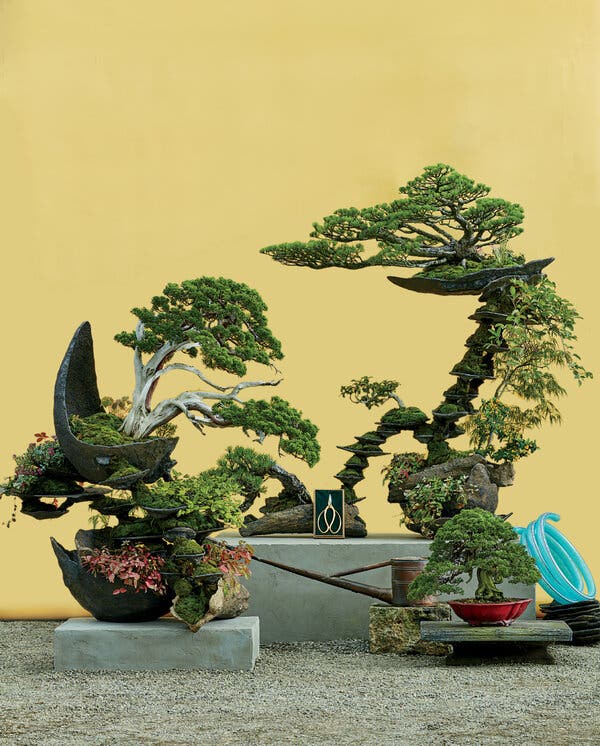
Bonsai is more than just a plant. It is a living piece of art. Each tiny tree tells a story through its shape, size, and style. Bonsai artists shape these trees with great care. They blend nature and creativity in every branch and leaf. This art form captures the beauty of nature in miniature form. It invites viewers to appreciate detail and patience. Bonsai is a quiet expression of life and time, crafted with love and skill.
Aesthetic Goals
Bonsai aims to create a natural, balanced look. The tree should appear old and wise despite its small size. Artists focus on harmony between trunk, branches, and leaves. They use shapes that mimic nature’s patterns. The goal is to evoke calm and beauty. Every curve and twist has meaning. Proportion and symmetry play key roles in design. The final tree should feel alive and graceful.
Emotional Connection
Caring for bonsai builds a strong bond. The artist spends time watering and pruning daily. This care creates respect and patience. Watching the tree grow brings joy and peace. It teaches the value of slow progress and attention. The tree reflects the artist’s feelings and efforts. This emotional link makes bonsai a personal treasure. It offers comfort and a sense of achievement.
Cultural Significance
Bonsai has deep roots in Asian culture. It is a symbol of harmony between humans and nature. The practice dates back hundreds of years. It represents balance, simplicity, and the passage of time. Bonsai is also a spiritual practice. It encourages mindfulness and reflection. Many cultures honor bonsai as a living tradition. It connects generations through shared care and appreciation.
Credit: www.nytimes.com
Conclusion
Bonsai is more than just a plant; it is living art. It teaches patience, care, and attention to detail. Each tree tells a unique story through its shape and style. With simple tools and steady hands, anyone can create beauty.
The art of bonsai connects us with nature’s quiet strength. Keep practicing and enjoy the calm it brings. Small trees can hold big meaning. This ancient craft invites you to slow down and nurture life.