
Living in a tiny house means embracing simplicity, but it also means facing the challenge of limited space—especially when it comes to storage. If you’ve ever felt frustrated searching for a place to keep your belongings without cluttering your cozy home, you’re not alone.
The key to tiny house living is clever storage that makes your space feel open and organized. You’ll discover practical, creative, and easy-to-apply tiny house ideas for storage that will transform your home. Ready to unlock the secrets to a clutter-free, comfortable tiny living experience?
Keep reading and start making every inch count!
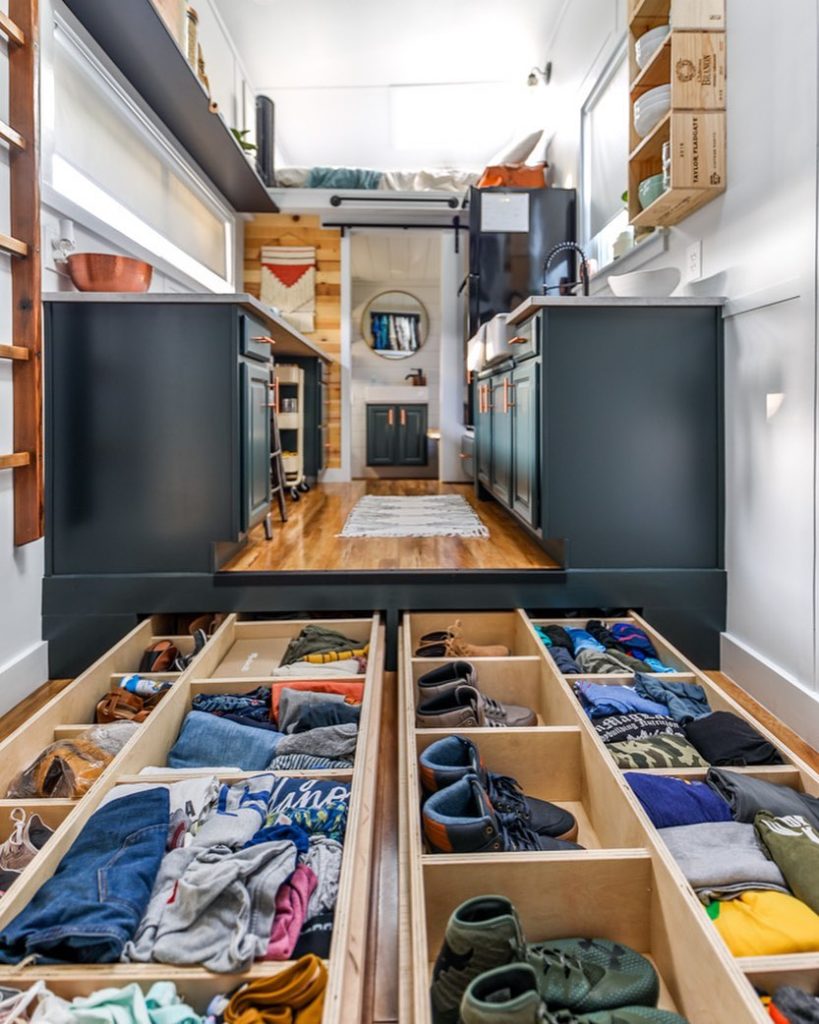
Under Stairs Storage
Under stairs storage is a smart solution for tiny houses. It uses space that often goes unused. This storage method helps keep your home neat and organized. It fits perfectly in small homes where every inch counts.
Designing storage under the stairs can be simple or creative. You can add shelves, drawers, or cabinets. This area can hold shoes, books, or cleaning supplies. It can also hide larger items like suitcases or tools.
Built-in Drawers
Drawers under the stairs make access easy. They slide out smoothly and save floor space. Use them for small items, clothes, or kitchen tools. Built-in drawers keep things hidden but close.
Open Shelving
Open shelves show items clearly. They work well for books or decorative pieces. You can add baskets to keep things tidy. This option adds style and function to your tiny home.
Closet Space
Turn the stair area into a small closet. Hang coats, store shoes, or keep cleaning gear. A door keeps this space neat and out of sight. It helps reduce clutter in other rooms.
Pull-out Cabinets
Pull-out cabinets are great for narrow spaces. They offer deep storage without blocking walkways. Use them for pantry items or craft supplies. These cabinets make the most of tricky spaces.
Credit: www.extraspace.com
Custom Hidden Compartments
Custom hidden compartments create smart storage without clutter. They use unused spaces for keeping items out of sight. These compartments add security and keep your tiny home tidy. Clever design helps you store essentials while saving space.
Under-bed Hidden Drawers
Use the space under your bed for secret drawers. These drawers slide out easily and hold clothes or books. They keep your bedroom neat and free from extra furniture. This idea maximizes space without changing your room’s look.
Staircase Storage Compartments
Build hidden compartments inside your stairs. Each step can open to store shoes or tools. This design uses usually wasted space smartly. It also keeps items handy but out of view.
Wall Panels With Secret Shelves
Install wall panels that open to reveal shelves. These shelves hide valuables or small gadgets. The panels blend with your wall design for a clean look. This method adds storage without taking floor space.
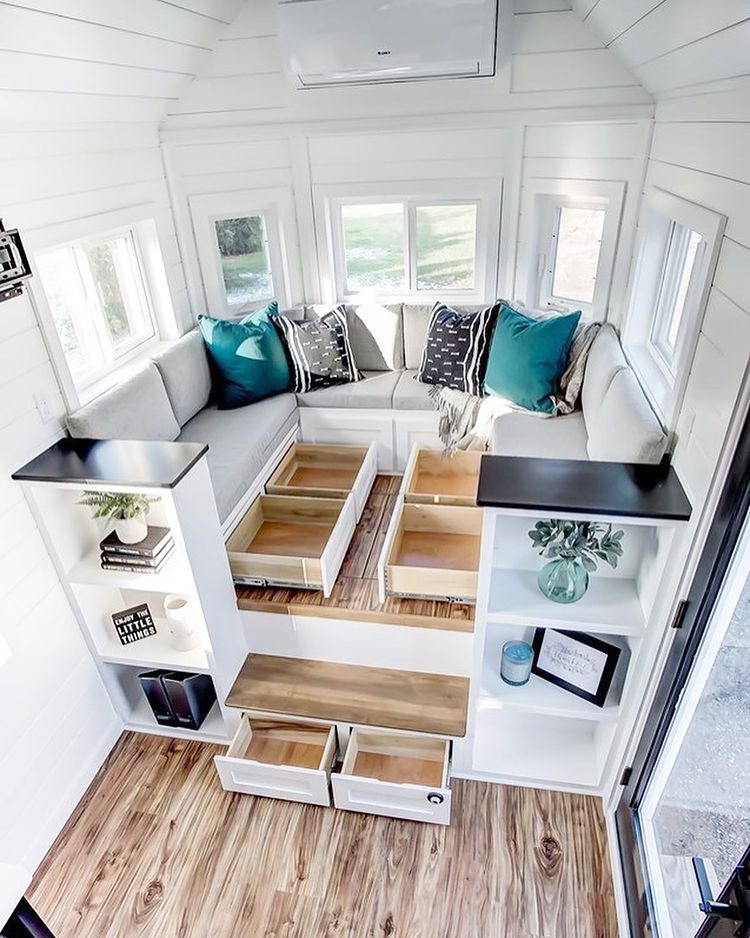
Furniture With Built-in Storage
Choose furniture that hides storage spaces inside. Sofas, ottomans, and benches can have secret compartments. They provide extra room for blankets or toys. This keeps your tiny house organized and stylish.
Wall And Ceiling Hooks
Wall and ceiling hooks offer smart storage options in tiny houses. They use vertical space that often stays empty. Hooks keep everyday items within reach and off the floor. This method frees up room and reduces clutter.
Hooks come in many styles and sizes. They suit different needs and fit any room. Installing hooks is easy and affordable. They help organize kitchens, bedrooms, bathrooms, and entryways.
Maximize Kitchen Storage With Hooks
Hang pots, pans, and utensils on wall hooks. It saves cabinet space and keeps tools handy. Hooks also hold mugs and cutting boards. This setup makes cooking more efficient.
Organize Clothes And Accessories
Use ceiling hooks for hanging plants or light fixtures. Wall hooks work great for coats, hats, and bags. They keep clothes off the floor and easy to find. Hooks can also hold scarves and belts.
Bathroom Storage Solutions
Hooks hold towels, robes, and shower caddies. This frees shelf space for toiletries. Using hooks keeps the bathroom neat and dry. It makes small bathrooms feel larger.
Creative Use Of Ceiling Hooks
Ceiling hooks can suspend storage baskets or hanging shelves. This adds storage without using wall space. Hanging plants or decorations add charm and personality. Ceiling hooks create a cozy atmosphere in tiny homes.
Vertical Shelf Solutions
Vertical shelf solutions are key to saving space in tiny houses. These shelves use the height of walls, freeing floor area for other needs. They make storage accessible and organized without cluttering rooms. Vertical shelves fit perfectly in small, narrow spaces.
Choosing the right vertical shelves adds style and function. They hold books, kitchen items, clothes, or decor. Customizing shelf height and depth helps store different objects easily. Vertical shelves also create visual interest by breaking up wall space.
Wall-mounted Floating Shelves
Floating shelves attach directly to walls without visible supports. They look sleek and take up little room. These shelves work well in kitchens, bathrooms, or living areas. Use them to hold spices, toiletries, or small plants.
Floating shelves are simple to install and easy to clean. They keep things off counters and floors. Sturdy materials like wood or metal increase durability. Arrange several floating shelves vertically to maximize storage.
Tall Narrow Bookcases
Tall bookcases use vertical space while having a small footprint. They fit into corners or against slim walls. Bookcases store books, baskets, or folded clothes neatly. Adjustable shelves allow changing heights for bigger items.
Open bookcases make items visible and easy to reach. Closed ones hide clutter behind doors. Choose light-colored finishes to keep rooms bright and open. Place a tall bookcase near seating or entry for convenience.
Over-door Shelf Racks
Shelf racks that hang over doors add hidden storage. They use space usually wasted by doors. Perfect for storing shoes, cleaning supplies, or kitchen tools. Over-door racks keep essentials handy without taking floor space.
Many racks have adjustable hooks to fit various door thicknesses. They are easy to install and remove if needed. Choose racks made from metal or sturdy plastic for strength. Use these shelves in bedrooms, bathrooms, or pantries.
Creative Use Of Support Beams
Support beams are often seen as just structural elements. They hold up the roof or floors and keep the house safe. In tiny homes, these beams can serve more than one purpose. Using them creatively can add valuable storage without taking extra space.
Support beams are strong and well-placed. This makes them perfect for adding shelves, hooks, or even hidden compartments. Using beams for storage keeps the floor clear and makes the home feel larger. It also helps organize items in easy-to-reach spots.
Using Support Beams As Shelving
Attach wooden planks or metal racks directly to support beams. This creates sturdy shelves for books, plants, or kitchen items. Open shelves keep things visible and easy to grab. This method saves wall space for other uses.
Installing Hooks And Hangers On Beams
Hooks on beams hold pots, pans, or bags. Hang coats, hats, or tools to keep them off counters. This simple idea frees up cabinet space and keeps essentials within reach. Hooks can be placed at different heights for convenience.
Building Hidden Storage Inside Beams
Some beams are thick enough to hide small compartments. Cut out a section and add a door or panel. Store valuables, documents, or small gadgets inside. Hidden storage keeps clutter out of sight and adds security.
Creating Hanging Storage Solutions
Use ropes or chains attached to beams to hang baskets or containers. This works great in kitchens or bathrooms for fruits, vegetables, or toiletries. Hanging storage uses vertical space that is often wasted.
Combining Beams With Multi-functional Furniture
Connect support beams to fold-down desks or tables. Use beams to support foldable beds with storage underneath. This integration makes the most of limited space. Furniture attached to beams adds stability and utility.
Kitchen Space Hacks
Maximizing kitchen space in a tiny house is essential. Every inch counts in such a small area. Smart kitchen space hacks help keep the kitchen organized and functional. Creative solutions let you store more without clutter. These ideas make cooking and cleaning easier.
Pegboard Organizers
Pegboard organizers offer flexible storage options. Hang pots, pans, and utensils on the wall. This clears up cabinet and drawer space. Pegboards can be customized with hooks and shelves. Easy to install and adjust as needed. They keep items visible and within reach. Pegboards also add a neat, tidy look to the kitchen.
Extendable Countertops
Extendable countertops provide extra workspace when needed. Fold them down to save space when not in use. Ideal for small kitchens with limited counter area. These countertops can be attached to walls or cabinets. They offer a quick surface for meal prep or dining. Extendable countertops increase kitchen functionality without crowding the room.
Multi-functional Furniture
Multi-functional furniture is key to saving space in tiny houses. It combines two or more uses in one piece. This design helps keep your home tidy and spacious.
Choosing furniture that serves multiple purposes reduces clutter. It also makes your small space feel larger. Every item has a role beyond its basic function.
Storage Beds With Drawers
Beds with built-in drawers offer extra storage under the mattress. You can store clothes, linens, or shoes here. This keeps items out of sight but easy to reach.
These beds free up space that a separate dresser would take. They are perfect for tiny rooms where every inch counts.
Fold-out Tables And Desks
Fold-out tables save space by folding flat against a wall. Use them as a dining table or workspace. When not in use, fold them away to clear the floor.
This furniture style adapts to your daily needs. It keeps the room open and uncluttered.
Sofa Beds And Convertible Seating
Sofa beds change from a couch to a bed quickly. They provide seating during the day and a sleeping area at night. This dual function is ideal for guest rooms or studios.
Convertible seating can also include storage compartments. Use these to keep blankets, pillows, or books close by.
Storage Ottomans And Benches
Ottomans and benches with storage inside offer a place to sit and hide items. These pieces fit well in living rooms or entryways. They keep essentials handy without clutter.
Use them for toys, magazines, or seasonal items. Their simple design blends with many decor styles.
Credit: www.extraspace.com
Compact And Mobile Designs
Compact and mobile designs are essential for tiny house storage solutions. These designs focus on using every inch wisely while keeping the home easy to move. Small spaces demand smart storage that does not take up too much room. Mobility means storage units must be secure and stable during travel.
Many tiny homes use foldable furniture to save space. Items like fold-down tables and beds create extra room when not in use. This flexibility helps keep the house tidy and functional.
Furniture with built-in storage works well in compact spaces. Sofas with storage under the cushions or beds with drawers underneath add valuable space. These pieces serve more than one purpose, reducing clutter.
Hidden Storage Solutions
Hidden compartments use walls, floors, and ceilings for storage. Pull-out drawers under stairs or false panels can store items out of sight. This keeps the home neat and maximizes storage without losing space.
Lightweight And Durable Materials
Materials must be strong but light to keep the home mobile. Wood, aluminum, and composite panels provide durability without heavy weight. Choosing the right material ensures the tiny house stays easy to transport.
Compact Kitchen Storage
Kitchen storage should fit tight spaces and hold essentials. Wall-mounted racks, magnetic strips for knives, and stackable containers help organize efficiently. This keeps counters clear and cooking easy.
Reclaimed Material Storage Ideas
Reclaimed material storage ideas offer a smart way to organize a tiny house. Using old wood, metal, and other materials saves money and reduces waste. These ideas add charm and personality to small spaces. They also provide unique, durable storage solutions that fit tiny living perfectly.
Many reclaimed materials come with history and character. They make storage pieces stand out as both practical and beautiful. Using these materials supports eco-friendly living and creative design.
Creating Shelves From Reclaimed Wood
Old wooden planks and beams make great shelves. Sand and seal them for a smooth finish. Attach them with sturdy brackets for wall-mounted storage. These shelves hold books, plants, and kitchen items neatly. They bring warmth and rustic style to any room.
Repurposing Pallets Into Storage Units
Pallets are cheap and easy to find. Break them down and rebuild as cubbies or crates. Paint or stain to match your decor. Pallet storage fits under beds or in corners. It stores shoes, tools, or toys efficiently. Pallets add a rugged, casual look to your tiny home.
Using Vintage Crates And Boxes
Old crates and wooden boxes serve as stackable storage. Arrange them on the floor or mount on walls. They hold clothes, kitchen goods, or craft supplies. Vintage crates create a cozy, old-world feel. They also make storage flexible and movable.
Building Cabinets From Salvaged Doors
Salvaged doors can transform into cabinet fronts. Attach hinges and handles for a functional piece. Use the cabinet for storing dishes or pantry items. This method adds a unique, handcrafted touch. It turns simple storage into a focal point.
Metal Pipes And Reclaimed Wood For Storage Racks
Combine metal pipes with wooden planks for sturdy racks. These racks hold pots, pans, or clothing. They offer industrial style and strong support. The mix of materials is eye-catching and practical. Perfect for maximizing vertical space in tiny houses.
Phased Storage Expansion
Phased storage expansion helps tiny house owners grow their storage over time. It breaks storage development into steps. This approach fits budgets and space limits. You start with essentials and add more storage later. It keeps your home organized as needs change. It also avoids clutter from unused storage.
This method works well for tiny homes with limited space. It allows careful planning and smart use of every inch. You can adjust storage based on your lifestyle and belongings. Phased storage expansion blends flexibility with efficiency, making small living easier.
Assess Your Initial Storage Needs
Begin by listing your must-have storage items. Focus on daily essentials and frequently used things. Use compact storage solutions like under-bed drawers or wall shelves. Keep your space tidy with multi-use furniture. This step avoids overcrowding and wasted space.
Plan For Future Storage Additions
Think about what items might need storage later. Seasonal clothes, hobby supplies, or extra kitchen tools are examples. Design your space to allow adding shelves or cabinets. Use modular storage units that can grow with you. Planning ahead saves time and money.
Use Vertical And Hidden Spaces
Look up and under for extra storage spots. Tall shelves or hanging racks hold many items without floor space. Hidden storage under stairs or inside benches keeps clutter out of sight. This method maximizes small areas and keeps your home neat.
Upgrade Storage As You Go
Add new storage only when needed and affordable. Swap temporary bins for built-in drawers or closets. Install hooks or pegboards to hold tools or kitchenware. Keep improving storage in phases to suit your changing needs. This prevents overcrowding and keeps your home functional.
Diy Storage Installation
DIY storage installation is key to making the most of a tiny house. It saves money and allows you to customize your space. Installing your own storage solutions means you create exactly what fits your needs and lifestyle.
Simple projects can transform empty walls and unused corners into valuable storage. With basic tools and some creativity, you can build shelves, hooks, and hidden compartments. These help keep your tiny home neat and organized.
Planning Your Diy Storage
Start by measuring your space carefully. Note all the areas where you can add storage. Think about what items you need to store and how often you use them. This helps you decide what kind of storage to build.
Using Reclaimed Materials
Reclaimed wood and old furniture parts work great for tiny house storage. They are cheap or free and add character to your home. Look for pallets, crates, or leftover wood from other projects. Sand and paint them to fit your style.
Installing Wall-mounted Shelves
Wall shelves free up floor space and keep things easy to reach. Use sturdy brackets and strong wood. Place shelves at different heights to store books, kitchen items, or decorations. Secure them well to hold weight safely.
Creating Hidden Storage
Hidden storage keeps your tiny house tidy and clutter-free. Build storage under beds, stairs, or benches. Use sliding drawers or lift-up lids. This type of storage hides items out of sight but keeps them accessible.
Adding Hooks And Pegboards
Hooks and pegboards are perfect for small items. Hang tools, kitchen utensils, or bags on the walls. Pegboards allow easy rearranging and customizing. They keep things off counters and floors, making your space feel bigger.
:strip_icc()/4351CatoRdNashvilleTN-print-020-21-Escher-3049x4200-300dpi-f3c97b68006c4b3f8b3bcf781776120a.jpg)
Credit: www.bhg.com
Legal And Zoning Storage Considerations
Legal and zoning rules affect storage solutions in tiny houses. These rules vary by location and influence how much and what kind of storage you can add. Understanding these considerations helps avoid fines and ensures your tiny home meets local laws.
Storage options must comply with building codes and zoning restrictions. Some areas limit exterior storage sheds or require permits for extra structures. Knowing the rules guides smart storage planning inside and outside your tiny house.
Understanding Local Zoning Laws
Zoning laws control land use and building types in an area. They can restrict the size and placement of storage units. Check local zoning to see if additional storage buildings are allowed on your property.
Some zones may not permit permanent sheds or large outdoor containers. Others might require setbacks or limits on height. Understanding these rules prevents costly removals or legal trouble.
Building Code Compliance For Storage
Building codes set safety and construction standards. Storage structures must meet these codes for stability and fire safety. Using approved materials and following guidelines ensures legal compliance.
For example, storage under stairs needs proper support and fireproofing. Kitchen or loft storage may require ventilation or weight limits. Always verify storage designs meet local building codes.
Permits And Inspections
Some storage additions need permits before construction. Permits confirm your plans meet legal standards. Inspections during and after building check compliance.
Without permits, your storage space might be unsafe or illegal. Always apply for necessary permits to avoid fines and forced removal. Keep documentation for future reference.
Restrictions On Mobile And Temporary Storage
Mobile tiny homes often face extra rules about storage. Temporary or movable storage units may have size or placement limits. Some neighborhoods restrict visible storage containers or trailers.
Check local regulations for mobile storage options. These rules protect neighborhood aesthetics and safety. Planning within these limits keeps your tiny home tidy and legal.
Conclusion
Smart storage ideas make tiny house living easier and more enjoyable. Use every inch wisely—under stairs, walls, and ceilings hold hidden gems. Custom shelves and multi-purpose furniture save space and add style. Organizers keep clutter away and create a neat home.
Simple, creative solutions fit any budget and skill level. Small spaces don’t mean less comfort or function. Keep trying new ideas to find what works best. Your tiny house can feel roomy with smart storage. Enjoy your cozy, well-organized home every day.