
Have you ever wondered what exactly a loft in a house is, and why so many people are excited about having one? If you’re curious about adding extra space or a unique touch to your home, understanding what a loft really means can open up new possibilities for your living area.
A loft isn’t just an attic or a storage spot—it’s a versatile space that can transform how you use your home. Whether you’re thinking about creating a cozy bedroom, a stylish office, or a fun hangout zone, knowing the ins and outs of lofts will help you make the best choice for your needs.
Keep reading to discover what a loft is, how it differs from an attic, and why it might be the perfect addition to your house.
Loft Basics
The loft is a unique space found in many houses. It often sits just below the roof. Lofts add character and extra room without expanding the house footprint. Understanding the basics helps homeowners decide how to use this space best.
What Defines A Loft
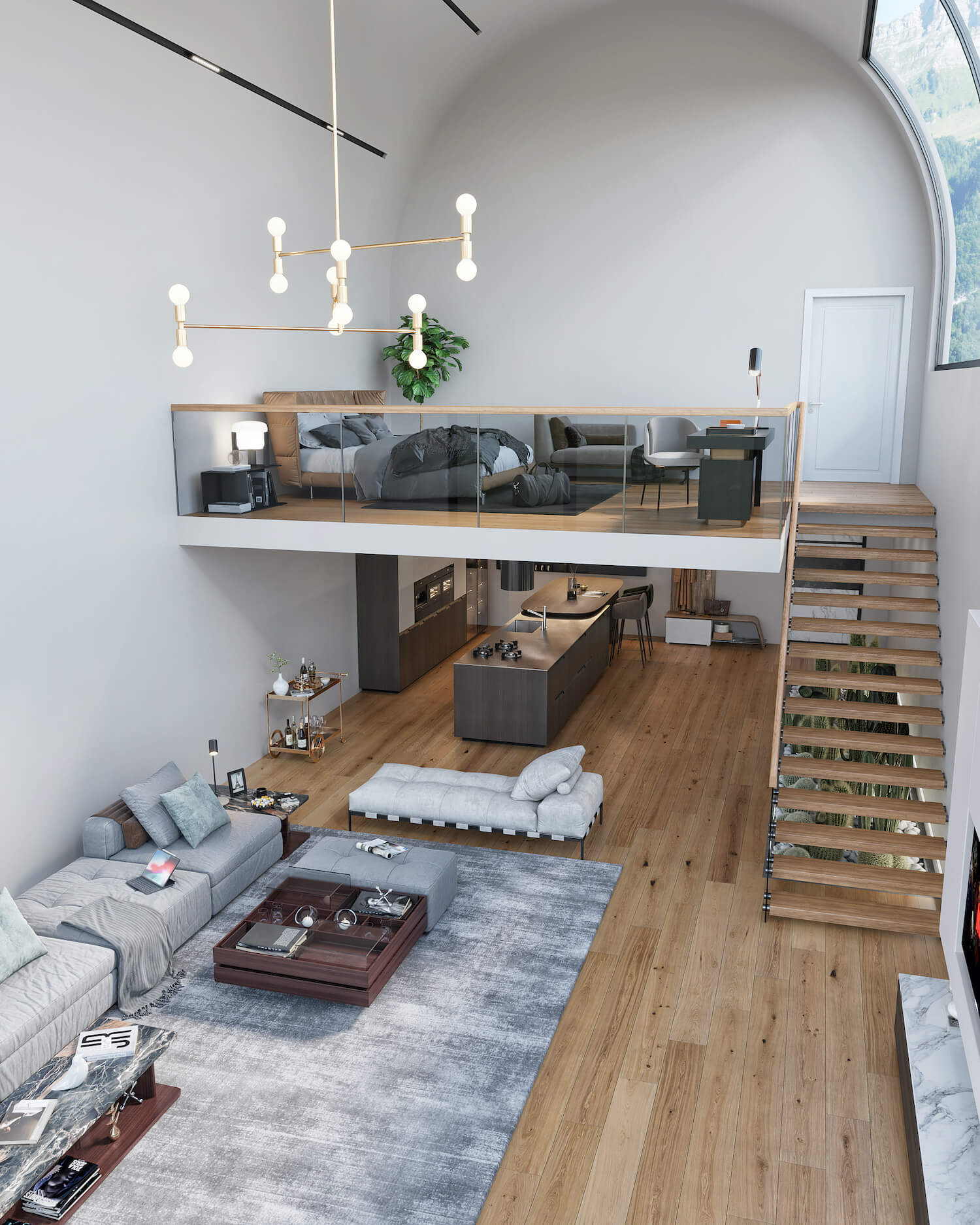
A loft is an open, elevated area inside a home. It usually has no full walls, creating a spacious feel. Lofts often overlook the main living space below. They can have sloped ceilings due to the roofline. Unlike closed rooms, lofts feel airy and bright. This design makes them perfect for creative or flexible uses.
Common Loft Uses
Lofts serve many purposes in a house. Many turn them into cozy bedrooms or guest rooms. Some use lofts as home offices or studios. Others prefer lofts as play areas or reading nooks. Storage is another popular use for loft spaces. Their versatility makes lofts a valuable part of the home.
Loft Vs Attic
People often confuse lofts with attics, but they differ. An attic is usually a closed, unfinished space under the roof. It often stores seasonal items and rarely has windows. Access to an attic is usually by a hatch or pull-down ladder. A loft is more open and often finished for living. It has better lighting and easier access, like stairs. Lofts invite use, while attics serve mainly for storage.

Credit: aertsen.in
Design Elements
Design elements shape the unique feel of a loft in a house. They create openness and style that define loft living. These elements blend function with aesthetics, making lofts inviting and practical. Simple touches can transform a loft space beautifully.
Every design choice matters—from layout to materials—to match the loft’s character. Here are key design elements to consider.
Open Layouts
Lofts often feature open layouts with few walls. This openness enhances space and light flow. It encourages flexible furniture arrangements and multi-purpose use. The open design connects different areas visually and physically. It creates a roomy, airy atmosphere that feels modern and free.
Lighting And Windows
Natural light is vital in loft design. Large windows or skylights brighten the space and add warmth. They also offer views and ventilation. Lighting fixtures should complement the open feel. Use pendant lights, track lighting, or floor lamps to highlight areas. Good lighting makes the loft comfortable at any time.
Materials And Finishes
Raw materials like exposed brick, wood beams, and concrete give lofts character. These finishes add texture and interest. Polished wood floors or sleek metal accents can balance rustic elements. Neutral colors keep the space calm and versatile. Durable materials suit the active lifestyle often found in loft living.
Types Of Lofts
Lofts come in different forms, each serving unique purposes and styles. Understanding the types helps choose the right loft for your needs. Lofts vary by design, location, and function. They can be cozy living spaces or open, airy rooms.
Residential Lofts
Residential lofts are living spaces inside homes. They often have open layouts and high ceilings. Many use lofts as bedrooms, offices, or play areas. These lofts add extra room without building a new floor. Large windows and exposed beams give charm and light.
Commercial Lofts
Commercial lofts appear in office buildings and shops. They offer large, open workspaces with flexible layouts. Often found in old factories or warehouses, these lofts keep industrial features. High ceilings and wide spaces suit creative businesses. They create inspiring environments for teams and clients.
Converted Lofts
Converted lofts transform old spaces into usable rooms. Attics, barns, or warehouses often become converted lofts. They get full renovations with insulation and proper flooring. These lofts keep some original architecture for character. They turn unused areas into cozy, functional homes or studios.
:max_bytes(150000):strip_icc()/GettyImages-1138529881-e88a2be11700475a982cb37841ebf909.jpg)
Credit: www.thespruce.com
Benefits Of Loft Spaces
Loft spaces offer many advantages in a home. They make the most of unused vertical space. Lofts bring charm and character to any room. Their open design allows for flexible use. These benefits improve both living quality and property value.
Maximizing Space
Lofts create extra room without expanding the house footprint. They turn unused areas into practical spaces. This helps in small homes or apartments. You can use a loft for sleeping, working, or storage. It frees up the main floor for other activities.
Aesthetic Appeal
Lofts add a unique look to interiors. They often feature high ceilings and large windows. This brings in more natural light. Open layouts make spaces feel bigger and airy. Exposed beams or brick walls enhance style and warmth.
Versatility
Lofts adapt to many needs and preferences. They can serve as bedrooms, offices, or playrooms. Some use them as cozy reading nooks or art studios. Their open design allows easy rearrangement. This flexibility suits changing lifestyles or family growth.
Challenges Of Loft Living
Living in a loft has its unique appeal. Open spaces, natural light, and modern style attract many. Yet, loft living also brings challenges. These issues might affect comfort and daily life. Understanding these difficulties helps decide if a loft fits your lifestyle.
Privacy Concerns
Lofts often have open layouts without full walls. This design reduces private areas inside the home. Sounds and sights easily travel across the space. It can be hard to find quiet or secluded spots. Privacy becomes a struggle, especially in shared lofts.
Heating And Cooling
Lofts usually have high ceilings and large windows. These features can cause uneven temperatures. Warm air rises, making the lower space cooler. Heat escapes easily through big windows. Controlling temperature requires more energy and careful planning.
Noise Issues
Open designs in lofts allow sound to travel freely. Noise from one area quickly reaches others. Living rooms, kitchens, and bedrooms lack sound barriers. This can disturb rest, work, or relaxation. Managing noise is a constant challenge in loft homes.
Planning A Loft
Planning a loft requires careful thought. This space can add value and function to your home. Understanding key factors ensures your loft is safe and practical. Consider structure, legal rules, and how you will enter and use the space.
Each step affects comfort and safety. Avoid costly mistakes by planning ahead. A well-planned loft blends smoothly with your home’s design.
Structural Considerations
Check if your house can hold the extra weight of a loft. Floors must support furniture and people safely. Look at beams and joists for strength. Reinforce weak areas before building. Poor structure can cause damage or collapse. Consult a professional to evaluate your home’s frame. Proper support makes your loft stable and secure.
Building Codes
Follow local building codes strictly. These rules protect your safety and ensure quality. Codes cover height, fire safety, and materials. Obtain necessary permits before starting work. Failing to meet codes can lead to fines or removal. Study codes or hire an expert to help. Compliance avoids legal trouble and keeps your loft safe.
Access And Safety
Plan easy and safe access to your loft. Stairs or ladders must be sturdy and well placed. Consider space for wide steps and handrails. Good lighting prevents accidents. Add smoke detectors and fire escapes. Think about emergency exits as well. Safe access protects everyone using the loft every day.
Loft Furnishing Tips
Furnishing a loft requires careful planning to make the most of the unique space. Lofts often have angled ceilings and open layouts. These features need special attention when choosing furniture and decor. Smart storage and style can turn a loft into a cozy, functional area.
Choosing Furniture
Pick furniture that fits well under sloped ceilings. Low-profile sofas and beds work best. Avoid tall pieces that crowd the space. Multi-purpose furniture adds value. A sofa bed or a desk with drawers saves room. Keep the layout open for easy movement.
Storage Solutions
Use vertical and hidden storage to reduce clutter. Built-in shelves make good use of wall space. Under-bed drawers and storage ottomans hide items neatly. Baskets and boxes keep small things organized. Clear storage helps maintain the loft’s airy feel.
Decor Ideas
Light colors brighten a loft and create space. Add mirrors to reflect light and enlarge the room visually. Use rugs to define different areas. Hang artwork on the tallest walls for balance. Soft lighting with lamps and fairy lights adds warmth.
Credit: amazingarchitecture.com
Popular Loft Styles
Lofts offer versatile spaces that blend style and function. Various loft styles appeal to different tastes and needs. Each style creates a unique atmosphere and character. Understanding popular loft styles helps you choose the right design for your home.
Industrial Loft
The industrial loft style features raw, unfinished elements. Exposed brick walls and metal beams stand out. Large windows bring in natural light. Concrete floors and open spaces add to the look. This style suits those who love urban, edgy designs.
Modern Minimalist
Modern minimalist lofts focus on simplicity and clean lines. Neutral colors and uncluttered spaces create calm. Furniture is functional with smooth surfaces. Lighting is subtle but effective. This style works well for people who want a peaceful home.
Rustic Loft
Rustic lofts bring warmth through natural materials. Wood beams and stone accents are common. Earthy colors and cozy textiles enhance comfort. This style feels inviting and homey. It fits those who enjoy nature-inspired, traditional looks.
Conclusion
A loft adds unique space above a home’s main floor. It often serves as a bedroom, office, or storage area. Unlike attics, lofts are open and connected to living spaces. They bring light and air into the home’s upper level.
Many people enjoy lofts for their charm and flexibility. Considering a loft can make your home feel larger and more inviting. Simple design changes can create a cozy, functional loft area. A well-planned loft suits various needs and styles. It offers a smart way to use space efficiently.