
Imagine walking into your home and having everything—from the lights to the thermostat—adjust exactly the way you like it without lifting a finger. That’s the power of smart home interior design.
It’s not just about gadgets; it’s about creating a living space that understands your needs and responds to your lifestyle effortlessly. If you want your home to be more comfortable, efficient, and stylish all at once, keep reading to discover how smart home interior design can transform your everyday living.
Your perfect, connected home is closer than you think.
Smart Home Basics
Smart home interior design focuses on integrating technology seamlessly into living spaces. It enhances comfort, security, and energy efficiency. Understanding smart home basics is key to creating a modern, functional environment.
This section explains what makes a home smart and introduces common smart devices used today.
What Makes A Home Smart
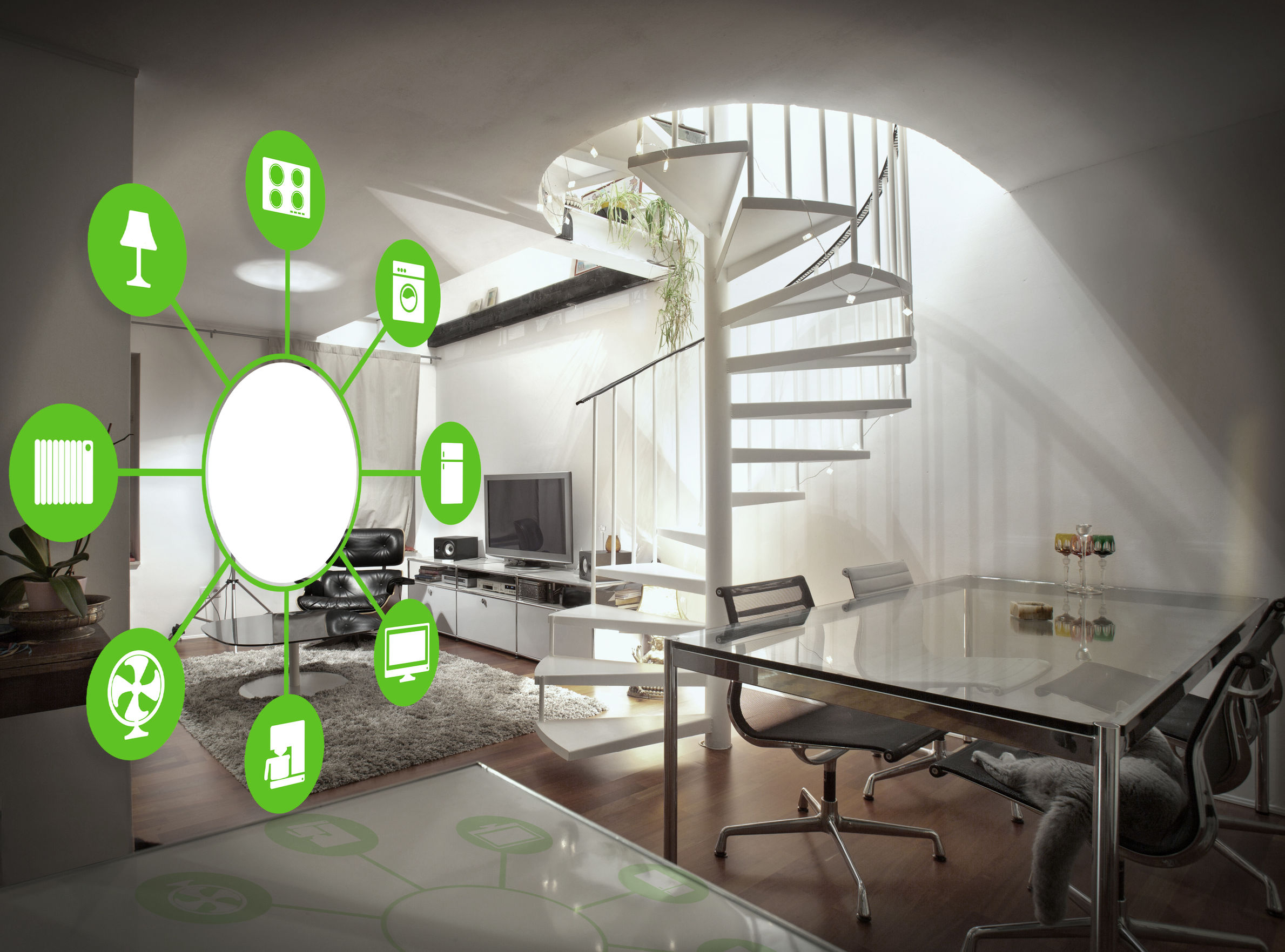
A smart home uses connected devices that communicate with each other. These devices can be controlled remotely via apps or voice commands. Automation plays a big role, allowing tasks to happen without manual input.
Examples include lighting that adjusts automatically or security systems that notify you instantly. Integration of these elements creates a convenient and efficient living space.
Common Smart Devices
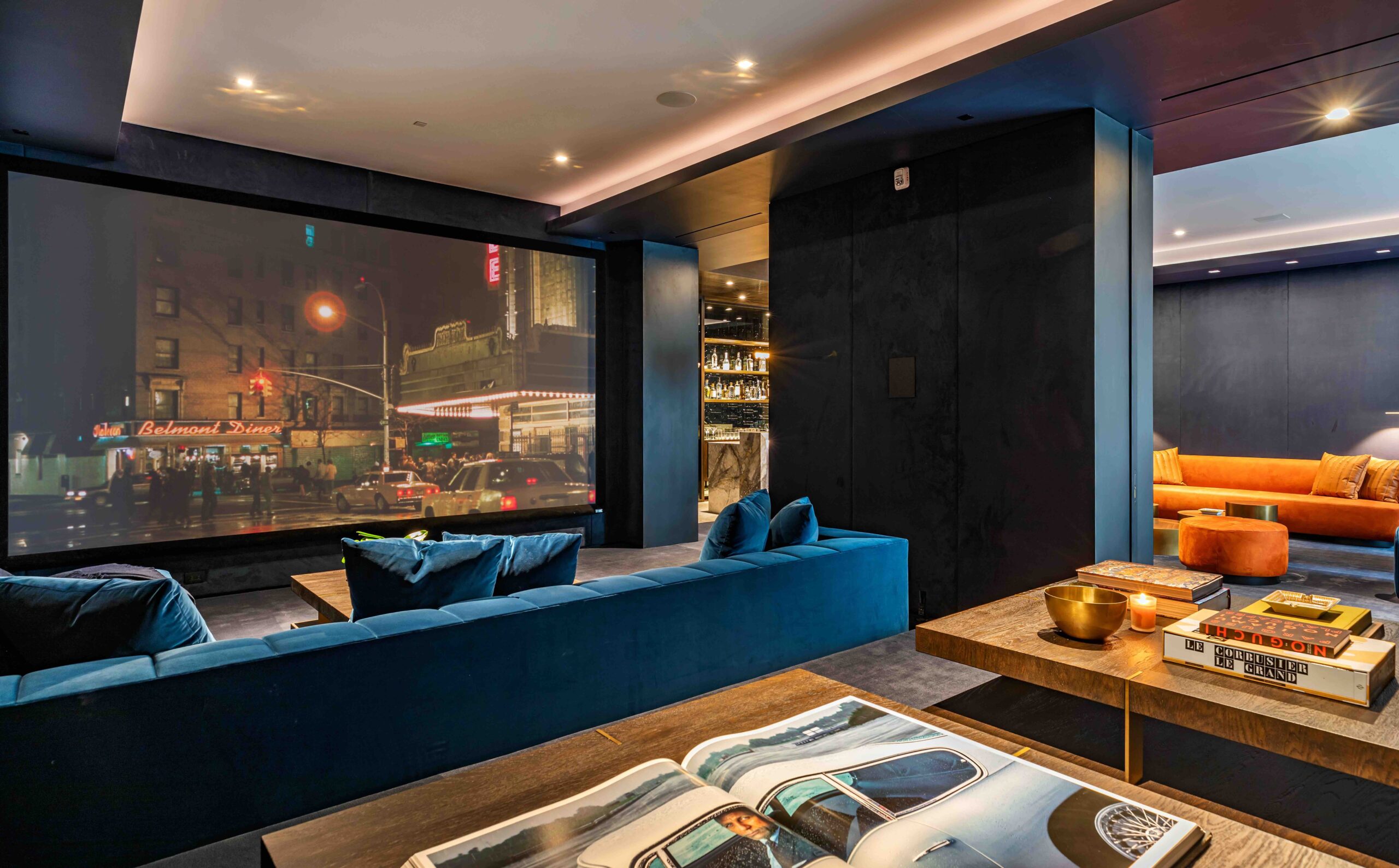
Smart thermostats control temperature based on your schedule. They save energy and keep rooms comfortable. Smart lights adjust brightness or color and can be turned on or off remotely.
Security cameras and smart locks improve home safety by offering real-time monitoring. Voice assistants like Amazon Alexa or Google Assistant help manage devices using simple commands.
Other devices include smart plugs, sensors, and smart appliances that streamline daily routines.
Credit: htacertified.org
Design Principles
Design principles guide the creation of smart home interiors that are both functional and beautiful. They ensure each element works well together. These principles help balance technology with style, creating spaces that feel welcoming and modern. Good design considers how colors, textures, and contrasts interact. Smart homes need to blend comfort with innovation. Here are key design principles to keep in mind.
Color And Style Choices
Colors set the mood in smart home interiors. Choose colors that match the style of your home. Neutral tones create calm, while bold colors add energy. Match colors with furniture and smart devices. Consistent color schemes unify the space. Modern smart homes often use whites, grays, or earth tones. These shades highlight technology without overwhelming the design. Avoid too many colors to keep the space simple and clean.
Texture And Material Mix
Mixing textures adds depth to smart home interiors. Combine soft fabrics with sleek metals and glass. Wood brings warmth and balances cold technology. Use materials that feel good to touch. Different textures keep rooms interesting and inviting. A smart home uses smooth surfaces for devices and rougher textures for comfort. Balance hard and soft materials for a natural feel. This mix prevents the space from feeling too clinical or cold.
Balancing Contrast And Cohesion
Contrast creates visual interest in smart home design. Pair light and dark shades to highlight features. Contrast draws attention to smart gadgets and furniture. Cohesion keeps the space unified and calm. Use similar tones or styles for a smooth flow. Avoid clashing patterns or colors that distract. Balance contrast with matching elements for harmony. This balance helps smart homes look stylish and organized.
Technology Integration
Technology integration is the heart of smart home interior design. It blends modern devices with everyday living spaces. This creates homes that respond to needs quickly and easily. Smart technology makes homes safer, more comfortable, and more convenient.
Integrating technology means using smart gadgets and systems that work together. These systems include lighting, security, climate, and entertainment. Each plays a key role in a connected home environment. Let’s explore how these technologies transform your living space.
Lighting Solutions
Smart lighting adjusts automatically based on time and activity. It saves energy by turning off lights in empty rooms. Users can control lighting with voice commands or smartphone apps. Different colors and brightness levels create the perfect mood. Lighting schedules can match your daily routine effortlessly.
Security Systems
Smart security includes cameras, alarms, and sensors that connect to your phone. It alerts you instantly if something unusual happens. Remote access lets you check your home from anywhere. Automated locks add convenience and extra safety. These systems give peace of mind and protect your family.
Climate Control
Smart thermostats learn your temperature preferences over time. They adjust heating and cooling to save energy. You can control climate settings remotely with a mobile device. Sensors detect room occupancy to optimize comfort. This technology keeps your home cozy and efficient all year.
Entertainment Setup
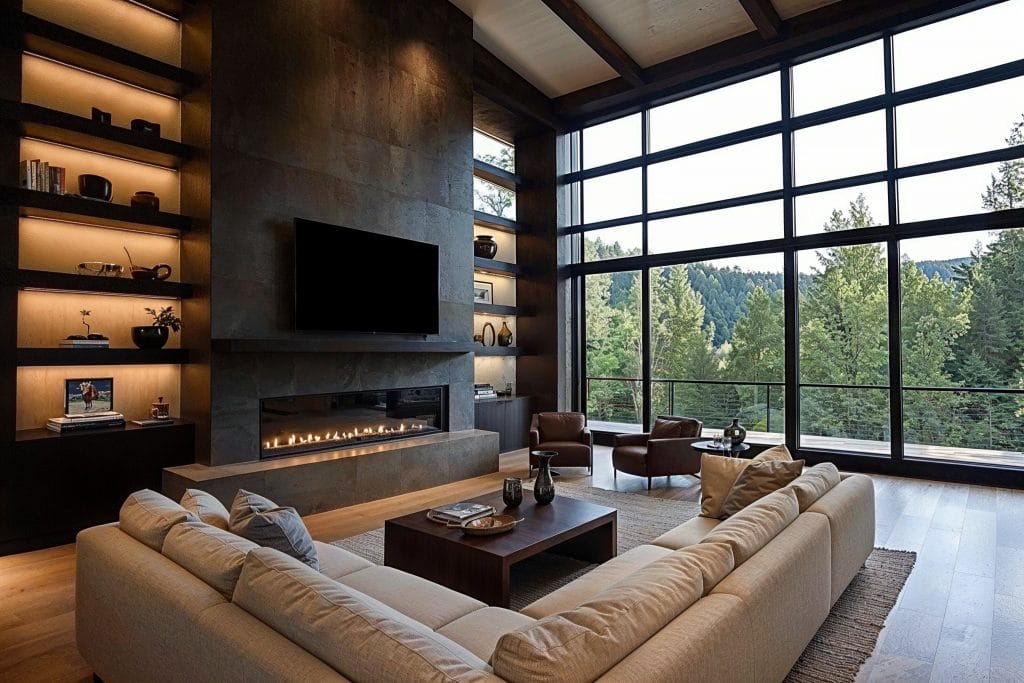
Smart entertainment systems combine TVs, speakers, and streaming devices. They offer seamless control through apps or voice assistants. Multi-room audio lets you enjoy music anywhere in your home. Personalized settings remember your favorite shows and playlists. Technology makes entertainment easy and enjoyable for everyone.
Credit: www.decorilla.com
Creating Functional Spaces
Creating functional spaces is key in smart home interior design. It means making rooms work better for daily life. Smart design blends technology with comfort and style. Each space should be easy to use and improve your routine.
Smart homes use automation and smart furniture to save time. Thoughtful layouts help move around freely. Storage solutions keep spaces neat and organized. These elements together create a home that feels modern and practical.
Room-specific Automation
Automation changes how each room works. In the living room, smart lights adjust to your mood. The kitchen can have sensors that track food or control appliances. Bedrooms use smart thermostats for perfect sleep temperatures. Each room gets devices that fit its purpose well.
Furniture And Layout Considerations
Choosing the right furniture helps keep rooms open and useful. Modular pieces can change shape or function easily. Layouts should allow smooth movement and access to controls. Avoid clutter by placing smart devices where they are easy to reach. This makes rooms feel bigger and more inviting.
Smart Storage Options
Smart storage keeps belongings tidy and accessible. Hidden compartments and automated shelves save space. Some units can track inventory or remind you where items are. Using vertical space with smart hooks or racks also helps. Organized storage reduces stress and improves room flow.
Enhancing Aesthetics
Enhancing aesthetics is a key part of smart home interior design. It means making your space look beautiful and feel welcoming. Smart design uses technology and style together. It creates a home that is both modern and cozy. Small details help lift the overall look. These details make a big difference in how a room feels.
Using The Rule Of Odds
The rule of odds is a simple design tip. It says to use an odd number of items in a group. Three, five, or seven objects work best. Odd numbers create a natural balance that feels pleasing to the eye. They avoid the stiffness of even numbers. This rule helps create interest and flow in a room.
Start with three items of different heights or shapes. For example, a tall vase, a stack of books, and a small sculpture. Add more objects if the space is bigger. Make sure the items share colors or materials for harmony. The mix of textures and sizes keeps the display lively.
Vignette Styling Tips
A vignette is a small styled scene on a table or shelf. It tells a mini story with objects grouped closely. Use the rule of odds to make vignettes look balanced. Place items of different heights and shapes together. Try combining smooth, rough, and shiny textures.
Vignettes work well on coffee tables, nightstands, or mantels. Keep the area neat and avoid clutter. Lighting can highlight your vignette, making it stand out. A small lamp or candle adds warmth and focus.
Incorporating Personal Artifacts
Personal artifacts bring character to smart home interiors. These are items with memories or meaning. Family photos, travel souvenirs, or handmade crafts add soul to a space. They make your home unique and inviting.
Display personal items in vignettes or on shelves. Mix them with other decor for a balanced look. Use smart lighting to draw attention to these treasures. This blend of technology and personal touch creates a warm, stylish home.
Credit: strattondesigngroup.com
Benefits Of Smart Interiors
Smart home interior design offers more than modern looks. It brings practical benefits that enhance daily life. Integrating technology into your home makes spaces more functional and enjoyable. Smart interiors improve how you live, save energy, protect your home, and add value to your property.
Convenience And Comfort
Smart interiors allow you to control lighting, temperature, and appliances easily. Voice commands or apps manage your home from anywhere. Automation adapts settings to your preferences without manual effort. This creates a relaxing and personalized environment every day.
Energy Efficiency
Smart systems reduce energy waste by optimizing usage. Lights turn off automatically in empty rooms. Thermostats adjust heating and cooling based on occupancy. These features lower utility bills and help protect the environment.
Security Improvements
Smart home design includes advanced security features. Cameras, alarms, and sensors notify you of unusual activity. You can monitor your home remotely at any time. This increases safety and peace of mind for you and your family.
Increased Property Value
Homes with smart interiors attract more buyers and sell faster. Modern technology adds appeal and functionality. Upgrading to smart design can boost your home’s market price. It makes your property stand out in a competitive market.
Future Trends
The future of smart home interior design is bright and full of innovation. Homes will become more intelligent, intuitive, and eco-friendly. Advances in technology will shape how we live and interact with our spaces. Designers and homeowners will focus on making smart homes more seamless and sustainable.
Ai And Voice Control
Artificial intelligence will play a bigger role in smart homes. Voice control systems will become smarter and more natural. They will understand context and adapt to user habits. This will make controlling lighting, temperature, and appliances easier. AI will also help personalize home settings for comfort and convenience.
Sustainability Focus
Smart home design will prioritize energy efficiency and green materials. Solar panels, smart thermostats, and water-saving devices will be common. Homes will use technology to reduce waste and lower carbon footprints. Sustainable design will blend with smart features for eco-friendly living. This focus will appeal to homeowners who care about the planet.
Interoperability Advances
Devices from different brands will work together more smoothly. Standard protocols will allow easy integration of all smart systems. Homeowners can mix and match devices without compatibility worries. This will simplify setup and enhance user experience. Interoperability will create truly connected and flexible smart homes.
Getting Started
Getting started with smart home interior design requires a clear plan and understanding. This step sets the foundation for a functional and stylish living space. It helps to combine technology with comfort and style.
Begin by considering how you want your home to work and feel. Focus on ease of use and integration of smart devices. This will ensure a smooth experience and a balanced design.
Planning Your Smart Home
Start by listing the areas of your home you want to automate. Think about lighting, security, heating, and entertainment. Prioritize features that improve your daily life.
Check your home’s layout and wiring possibilities. Decide whether to use wireless or wired systems. This affects device choices and installation methods.
Set a budget and timeline for your project. This keeps the process focused and manageable.
Choosing Compatible Devices
Select devices that work well together. Compatibility avoids frustration and extra costs. Look for devices supporting the same platform, like Google Home or Amazon Alexa.
Read reviews and compare features of smart bulbs, thermostats, cameras, and speakers. Choose reliable brands with good customer support.
Consider ease of use and app control. Devices that are user-friendly improve your experience.
Hiring Professionals Vs Diy
Decide if you want to install devices yourself or hire experts. DIY saves money but needs time and skill. Professionals offer faster and safer installation.
For complex systems, like security or whole-home automation, hiring a professional is wise. They ensure correct setup and integration.
For simple tasks, like smart plugs or bulbs, DIY is feasible. Follow instructions carefully and test devices after installation.
Conclusion
Smart home interior design blends technology with style for easy living. It helps control lighting, temperature, and security from anywhere. This design makes homes comfortable, efficient, and safe. Simple devices work together to improve daily routines. Smart homes fit any style and budget.
They offer convenience without sacrificing beauty. Embracing smart design means enjoying a modern, connected lifestyle. It’s about making your home work better for you.